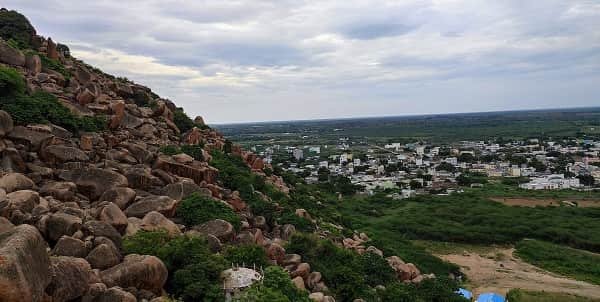
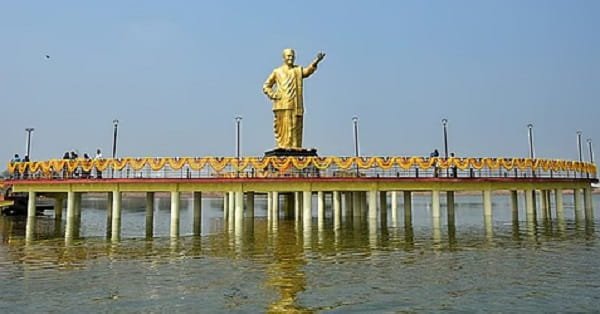
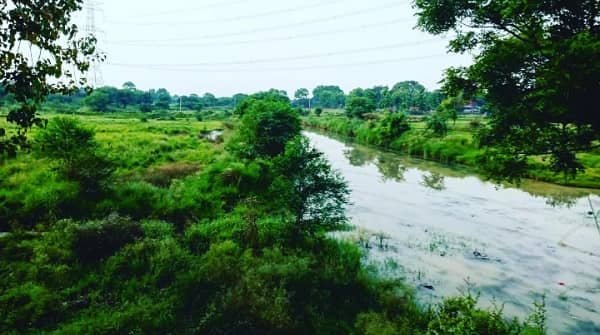
Malda district is one of the most historically rich and agriculturally important districts in the state of West Bengal. It lies in the northern part of the state and connects eastern India with neighboring regions. Moreover, Malda is widely known for its mango production, silk industry, and historical monuments. As a result, it attracts tourists, traders, and researchers alike. Although the district has a strong rural base, it continues to develop steadily in infrastructure and education. Consequently, Malda plays a vital role in the economic and cultural framework of West Bengal.
Malda District Quick Overview
| Particulars | Details |
| District Name | Malda |
| State | West Bengal |
| Headquarters | Malda |
| Region | North Bengal |
| Famous For | Mangoes, silk, history |
| Official Language | Bengali |
| Major Rivers | Ganga, Mahananda |
| Economy | Agriculture and trade |
Historical Background of Malda District
Malda district has a deep historical background. It once served as the capital region of Bengal during medieval times. Therefore, it holds immense importance in Indian history.
Several powerful dynasties ruled the region, including the Pala Empire, Sena dynasty, and later the Bengal Sultanate. Consequently, Malda became a center of administration, trade, and culture.
In addition, the ancient city of Gaur lies within the district. It served as a major capital during medieval times. Therefore, Malda holds a strong historical identity.
Geography and Location
Malda district lies in northern West Bengal. It shares borders with neighboring districts and also connects to Bihar.
Key Geographic Features:
- Located between North and South Bengal
- Rivers such as the Ganga and Mahananda flow through the district
- Fertile alluvial soil
- Tropical climate with monsoon rainfall
Because of fertile land and river systems, agriculture thrives in the district. Moreover, the rivers support irrigation and transport. Therefore, Malda plays an important role in regional agriculture.
Administrative Structure
Malda district follows a standard administrative setup.
Administrative Highlights:
- District Magistrate oversees governance
- Divided into subdivisions like Malda Sadar and others
- Municipal bodies manage urban areas
- Panchayats govern rural regions
Consequently, the district ensures effective governance and implementation of development programs.
Economy of Malda District
The economy of Malda mainly depends on agriculture. However, trade and industries also contribute.
Major Economic Activities:
- Agriculture and horticulture
- Mango production
- Silk industry
- Small-scale trade
- Handloom sector
Because of favorable climate and soil, farming remains the primary occupation. Moreover, trade and industries support economic growth. Therefore, Malda continues to develop economically.
Agriculture and Mango Production
Malda is famous across India for its mangoes. In fact, it produces some of the finest varieties.
Key Crops:
- Mango (notably Himsagar and Langra varieties)
- Rice
- Jute
- Wheat
Additionally, the district is known for sericulture (silk farming). Consequently, both agriculture and silk production support livelihoods.
Tourism in Malda District
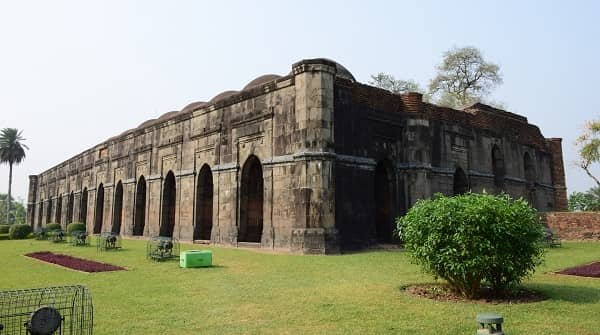
Malda offers several historical and cultural attractions. Therefore, it attracts tourists interested in history and heritage.
Major Tourist Attractions:
- Gaur: Ancient ruins and monuments
- Adina Mosque: One of the largest mosques in India
- Firoz Minar: Historic tower
- Pandua: Important archaeological site
Because of these attractions, Malda holds strong tourism potential. Moreover, historical monuments attract scholars and visitors alike.
Connectivity and Transport
Malda district has good connectivity with major regions.
Transport Options:
- Road: Connected via national highways
- Rail: Malda Town railway station is a major junction
- Air: Nearest airport is Bagdogra Airport
Because of strong connectivity, travel and trade remain convenient. Consequently, Malda serves as a key transit hub in North Bengal.
Education and Infrastructure
Malda has improved its infrastructure over the years.
Facilities Include:
- Schools and colleges
- Universities and educational institutions
- Government hospitals
- Banking and financial services
Moreover, ongoing development projects continue to enhance facilities. Therefore, the district shows steady progress in education and infrastructure.
Culture and Lifestyle
Malda reflects the rich cultural traditions of Bengal. Therefore, festivals and customs play an important role.
Cultural Highlights:
- Bengali is the primary language
- Festivals like Durga Puja and Eid are widely celebrated
- Folk music and art traditions
- Diverse cultural influences
Consequently, the district maintains a vibrant cultural identity.
Challenges Faced by Malda District
Despite development, Malda faces certain challenges.
Key Challenges:
- Flooding due to river systems
- Riverbank erosion
- Limited industrial development
- Rural poverty in some areas
However, government initiatives aim to address these issues. Therefore, development continues steadily.
Future Development Prospects
Malda shows strong potential for growth. Therefore, future development may focus on:
- Expanding agro-based industries
- Promoting tourism
- Improving infrastructure
- Encouraging industrial investment
Consequently, the district may emerge as a major economic hub in North Bengal.
Final Words
Malda district combines historical importance, agricultural strength, and cultural richness. It plays a vital role in West Bengal’s economy and heritage. Moreover, its mango production and historical sites make it unique. Therefore, Malda continues to grow steadily while preserving its traditions. With improved infrastructure and development initiatives, it holds strong potential for future progress.
FAQs
Q: Where is Malda district located?
A: It is located in northern West Bengal.
Q: What is Malda famous for?
A: It is famous for mangoes, silk, and historical monuments.
Q: Which rivers flow through Malda?
A: The Ganga and Mahananda rivers flow through the district.
Q: Is Malda a tourist destination?
A: Yes, it offers several historical and cultural attractions.
Q: How can I reach Malda?
A: You can travel by road, rail, or via Bagdogra Airport.
Q: Which language is spoken in Malda?
A: Bengali is the primary language.
Q: What are the main economic activities?
A: Agriculture, mango production, silk industry, and trade.
Q: What challenges does Malda face?
A: Flooding, erosion, and limited industrialization are key challenges.