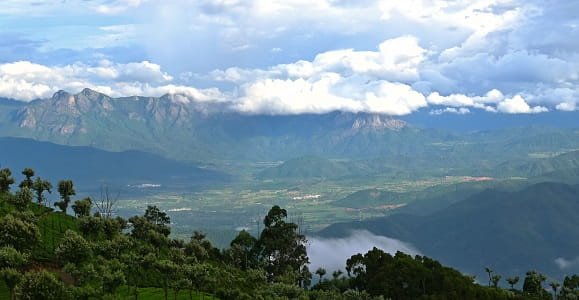
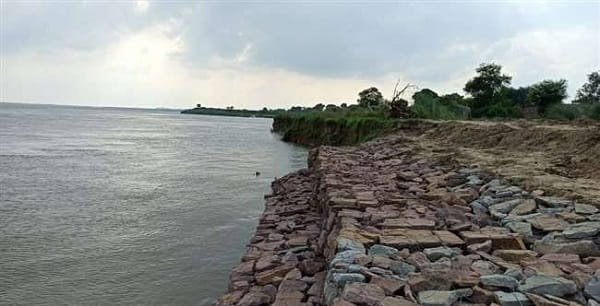
Kanigiri, located in the Prakasam district of Andhra Pradesh, is an important town and administrative area with growing regional significance. It lies in the western part of Prakasam district and is known for its agriculture, mineral resources, and developing infrastructure. Moreover, Kanigiri serves as a local hub for surrounding villages, which depend on it for trade, education, and healthcare. As a result, the region plays a key role in the district’s rural economy. Although Kanigiri is not a separate district, it holds importance due to its strategic location and economic activities. Consequently, it continues to grow steadily while maintaining its traditional roots.
Kanigiri Prakasam District Quick Overview
| Particulars | Details |
| Area Name | Kanigiri |
| District | Prakasam |
| State | Andhra Pradesh |
| Region | Coastal Andhra |
| Known For | Agriculture, minerals |
| Official Language | Telugu |
| Nearby Cities | Ongole, Nellore |
| Economy | Farming and mining |
Historical Background of Kanigiri
Kanigiri has a long historical background connected to regional dynasties. Earlier, the region came under the rule of various South Indian kingdoms.
Notably, dynasties such as the Vijayanagara Empire influenced the region. Therefore, Kanigiri developed cultural and administrative significance over time.
During later periods, local rulers governed the area, and it became part of larger administrative divisions. After India’s independence, Kanigiri remained within Prakasam district. Consequently, it evolved into an important town with administrative relevance.
Geography and Location
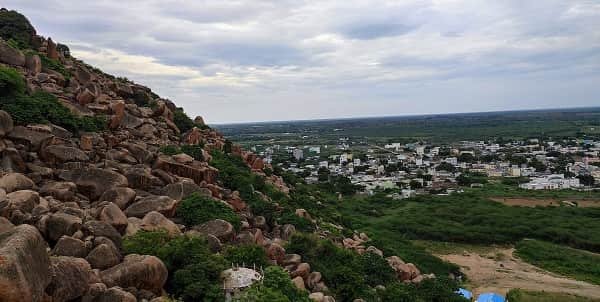
Kanigiri lies in the western part of Prakasam district. It features a mix of plains and rocky terrain.
Key Geographic Features:
- Semi-arid climate
- Rocky and dry terrain
- Seasonal rivers and water bodies
- Agricultural land in surrounding areas
Because of its geography, agriculture depends on rainfall and irrigation. Moreover, the terrain supports mineral resources. Therefore, the region has both agricultural and geological importance.
Administrative Structure
Kanigiri functions as a municipal town within Prakasam district.
Administrative Highlights:
- Local municipality manages urban services
- Mandal-level administration governs surrounding areas
- District authorities oversee development programs
Consequently, governance ensures basic services and regional development.
Economy of Kanigiri
The economy of Kanigiri mainly depends on agriculture and mining. However, trade and small businesses also contribute.
Major Economic Activities:
- Agriculture
- Mining (granite and minerals)
- Small-scale trade
- Livestock farming
Because of available resources, mining plays a role in the local economy. Moreover, agriculture supports rural livelihoods. Therefore, Kanigiri has a mixed economic structure.
Agriculture in Kanigiri
Agriculture forms the backbone of the region’s economy.
Key Crops:
- Groundnut
- Cotton
- Pulses
- Millets
Additionally, farmers rely on seasonal rainfall and irrigation projects. Consequently, agriculture remains the primary occupation.
Mining and Resources
Kanigiri is known for its mineral resources.
Key Features:
- Granite mining
- Other mineral extraction activities
- Employment opportunities in mining sector
Because of these resources, the region contributes to industrial activities. However, environmental management remains essential.
Tourism in Kanigiri
Kanigiri offers limited but notable attractions. Therefore, it has potential for local tourism.
Major Attractions:
- Local temples and cultural sites
- Scenic rural landscapes
- Nearby historical locations
Because of its peaceful environment, the area attracts visitors seeking rural experiences. Moreover, tourism potential can grow with development.
Connectivity and Transport
Kanigiri has moderate connectivity with nearby cities.
Transport Options:
- Road: Connected to Ongole and Nellore
- Rail: Nearest railway stations in nearby towns
- Air: Nearest airport is Tirupati Airport
Because of these options, travel remains manageable. Consequently, connectivity continues to improve.
Education and Infrastructure
Kanigiri has improved its infrastructure gradually.
Facilities Include:
- Schools and colleges
- Government healthcare centers
- Banking and financial services
- Road networks
Moreover, development programs aim to enhance facilities further. Therefore, the region shows steady progress.
Culture and Lifestyle
Kanigiri reflects traditional Telugu culture. Therefore, festivals and customs play an important role.
Cultural Highlights:
- Telugu is the primary language
- Festivals like Sankranti and Ugadi are celebrated
- Strong rural traditions
- Community-based lifestyle
Consequently, the region maintains a vibrant cultural identity.
Challenges Faced by Kanigiri
Despite development, Kanigiri faces several challenges.
Key Challenges:
- Water scarcity due to dry climate
- Limited industrial development
- Infrastructure gaps
- Dependence on agriculture
However, government initiatives aim to address these issues. Therefore, development continues steadily.
Future Development Prospects
Kanigiri shows strong potential for growth. Therefore, future development may focus on:
- Improving irrigation facilities
- Expanding mining and industries
- Enhancing infrastructure
- Promoting local tourism
Consequently, the region may achieve balanced development in the coming years.
Final Words
Kanigiri in Prakasam district combines agricultural strength, mineral resources, and cultural heritage. It plays an important role in the local economy and regional development. Moreover, its strategic location and growing infrastructure enhance its significance. Therefore, Kanigiri continues to develop while preserving its traditions. With improved planning and investment, it holds strong potential for future growth.
FAQs
Q: Where is Kanigiri located?
A: It is located in Prakasam district of Andhra Pradesh.
Q: Is Kanigiri a district?
A: No, Kanigiri is a town and administrative area within Prakasam district.
Q: What is Kanigiri famous for?
A: It is known for agriculture and mineral resources.
Q: Which crops are grown in Kanigiri?
A: Groundnut, cotton, pulses, and millets are commonly grown.
Q: How can I reach Kanigiri?
A: You can travel by road or via nearby railway stations and airports.
Q: Which language is spoken in Kanigiri?
A: Telugu is the primary language.
Q: What are the main economic activities?
A: Agriculture, mining, and small trade.
Q: What challenges does Kanigiri face?
A: Water scarcity, limited industry, and infrastructure gaps.