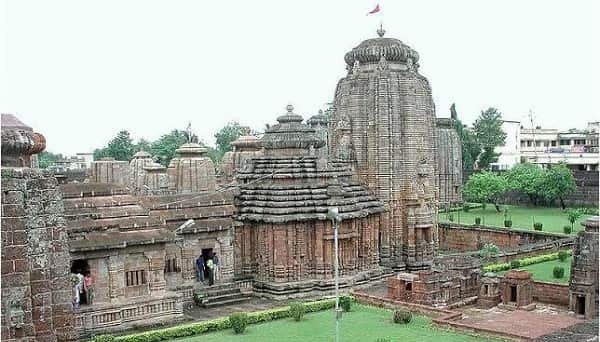
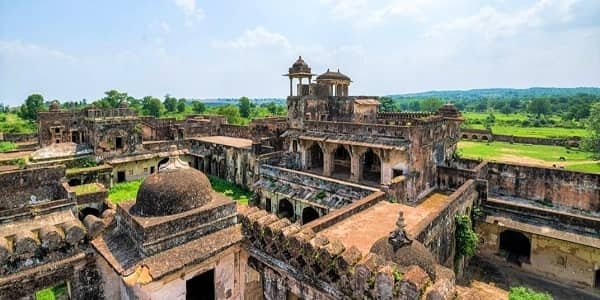
Mandya district is a prominent agricultural and cultural region in the state of Karnataka. It lies in the southern part of the state and sits between major cities like Bengaluru and Mysuru. Therefore, Mandya enjoys strong connectivity and strategic importance. Moreover, the district is widely known as the “Sugar Bowl of Karnataka” due to its large-scale sugarcane cultivation. As a result, agriculture plays a central role in its economy. Although Mandya has a strong rural base, it continues to develop steadily with improved infrastructure and tourism. Consequently, the district holds a vital place in Karnataka’s economic and cultural landscape.
Mandya District Quick Overview
| Particulars | Details |
| District Name | Mandya |
| State | Karnataka |
| Headquarters | Mandya |
| Known As | Sugar Bowl of Karnataka |
| Nearby Cities | Bengaluru, Mysuru |
| Official Language | Kannada |
| Major River | Cauvery |
| Economy | Agriculture and sugar industry |
Historical Background of Mandya District
Mandya district has a rich historical background. Earlier, it formed part of the princely state of Mysore. Over time, various dynasties influenced the region.
Notably, the Ganga dynasty, Hoysala Empire, and Vijayanagara Empire ruled the area. Therefore, Mandya developed a strong cultural and architectural heritage.
Later, under the rule of Tipu Sultan and the Wodeyar kings, the region gained administrative importance. Consequently, Mandya became an integral part of Karnataka’s historical narrative.
Geography and Location
Mandya district lies in the southern region of Karnataka. It is surrounded by Mysuru, Hassan, Tumakuru, and Ramanagara districts.
Key Geographic Features:
- Fertile plains supported by river irrigation
- Presence of the Cauvery River and its tributaries
- Moderate climate
- Rich agricultural land
Because of abundant water supply from the Cauvery, farming thrives in the district. Moreover, irrigation projects have improved agricultural productivity. Therefore, Mandya remains one of the most fertile regions in Karnataka.
Administrative Structure
Mandya district follows a well-organized administrative system.
Administrative Highlights:
- District Commissioner leads governance
- Divided into taluks such as Mandya, Maddur, Malavalli, Srirangapatna, and Pandavapura
- Municipalities manage urban areas
- Panchayats govern rural regions
Consequently, the district ensures efficient implementation of development programs and public services.
Economy of Mandya District
The economy of Mandya mainly depends on agriculture and allied industries. However, other sectors are also developing gradually.
Major Economic Activities:
- Sugarcane farming
- Rice cultivation
- Dairy farming
- Sugar industries and mills
- Trade and small businesses
Because of fertile land and irrigation, agriculture dominates the economy. Moreover, sugar factories provide employment to many residents. Therefore, Mandya plays a significant role in Karnataka’s agricultural output.
Agriculture and Irrigation
Mandya is widely known for its agricultural strength. In fact, irrigation systems have transformed the region.
Key Crops:
- Sugarcane
- Paddy (rice)
- Ragi (finger millet)
- Coconut
Irrigation Source:
- Cauvery River
- Krishnaraja Sagar Dam
Because of reliable irrigation, farmers achieve consistent yields. Additionally, modern farming techniques improve productivity. Consequently, agriculture remains the backbone of the district.
Tourism in Mandya
Mandya district offers several tourist attractions. Therefore, it attracts visitors from across Karnataka and beyond.
Major Tourist Attractions:
- Srirangapatna: Historical town with temples and monuments
- Krishnaraja Sagar Dam: Famous for Brindavan Gardens
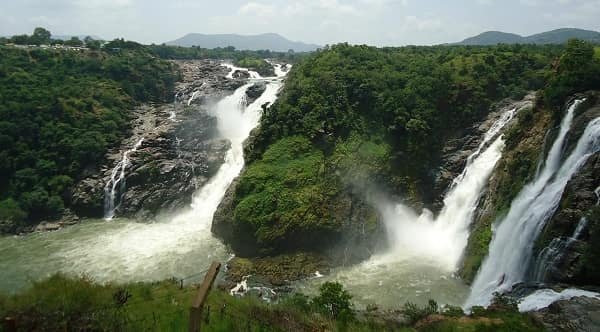
- Shivanasamudra Falls: One of India’s oldest hydroelectric sites
- Ranganathittu Bird Sanctuary: Popular wildlife destination
Because of these attractions, Mandya has strong tourism potential. Moreover, its proximity to Mysuru and Bengaluru increases visitor numbers.
Connectivity and Transport
Mandya district enjoys excellent connectivity.
Transport Options:
- Road: Well-connected highways
- Rail: Mandya railway station on major routes
- Air: Nearest airport is Kempegowda International Airport
Because of its location between major cities, travel remains convenient. Consequently, trade and tourism benefit significantly.
Education and Infrastructure
Mandya has developed its infrastructure over the years.
Facilities Include:
- Schools and colleges
- Engineering and degree institutions
- Government hospitals
- Banking and financial services
Moreover, ongoing development projects continue to improve facilities. Therefore, the district shows steady progress.
Culture and Lifestyle
Mandya reflects traditional Karnataka culture. Therefore, festivals and customs remain important.
Cultural Highlights:
- Kannada is the primary language
- Festivals like Dasara and Ugadi are widely celebrated
- Strong agricultural lifestyle
- Folk traditions and local fairs
Consequently, the district maintains a vibrant cultural identity rooted in tradition.
Challenges Faced by Mandya District
Despite development, Mandya faces certain challenges.
Key Challenges:
- Water disputes related to Cauvery River
- Dependence on agriculture
- Limited industrial diversification
- Migration of youth to cities
However, government initiatives aim to address these issues. Therefore, development continues steadily.
Future Development Prospects
Mandya shows strong potential for future growth. Therefore, development may focus on:
- Expanding agro-based industries
- Promoting tourism
- Improving infrastructure
- Encouraging industrial investment
Consequently, the district may emerge as a balanced economic hub.
Final Words
Mandya district combines agricultural strength, cultural richness, and economic importance. It plays a vital role in Karnataka’s development, especially in farming and irrigation. Moreover, its tourist attractions and strategic location enhance its value. Therefore, Mandya continues to grow steadily while preserving its traditional identity. With improved infrastructure and diversification, it holds strong potential for future progress.
FAQs
Q: Where is Mandya district located?
A: It is located in southern Karnataka between Bengaluru and Mysuru.
Q: Why is Mandya called the Sugar Bowl of Karnataka?
A: It produces large quantities of sugarcane due to fertile land and irrigation.
Q: Which river flows through Mandya?
A: The Cauvery River flows through the district.
Q: What are the major crops grown in Mandya?
A: Sugarcane, rice, ragi, and coconut are commonly grown.
Q: Is Mandya good for tourism?
A: Yes, it offers historical sites, dams, waterfalls, and wildlife attractions.
Q: How can I reach Mandya?
A: You can travel by road, rail, or via Bengaluru airport.
Q: Which language is spoken in Mandya?
A: Kannada is the primary language.
Q: What are the main economic activities?
A: Agriculture, sugar industries, dairy farming, and trade.