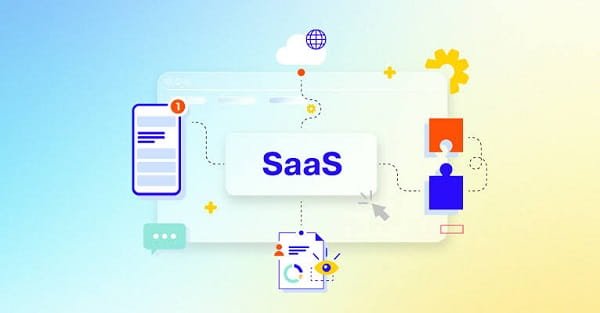
The Software as a Service (SaaS) business model has become one of the most successful and scalable business models in the technology industry. Instead of selling software through one-time licenses, SaaS companies deliver applications over the internet using subscription-based pricing. Customers can access the software through a web browser or mobile app without installing complex programs on their devices.
In 2026, businesses of all sizes rely on SaaS solutions for customer relationship management (CRM), accounting, project management, cybersecurity, communication, human resources, marketing automation, and data analytics. Cloud computing, artificial intelligence (AI), automation, and remote work have further accelerated the demand for SaaS products. While the SaaS business offers recurring revenue, global scalability, and high growth potential, it also requires continuous product development, strong cybersecurity measures, and ongoing customer support.
Understanding the advantages and disadvantages of a Software as a Service (SaaS) business can help entrepreneurs and technology startups decide whether this digital business model aligns with their long-term goals.
Advantages of a Software as a Service (SaaS) Business
1. Recurring Revenue Model
One of the biggest advantages of a SaaS business is predictable recurring revenue through subscription plans.
Customers typically pay:
- Monthly subscriptions
- Annual subscriptions
- Usage-based pricing
- Tiered pricing plans
- Enterprise contracts
This recurring income improves cash flow and supports long-term business planning.
2. Highly Scalable Business
A SaaS product can serve thousands or even millions of users without opening additional physical locations.
Businesses can scale by:
- Expanding server capacity
- Adding new features
- Entering new countries
- Supporting multiple languages
- Launching enterprise solutions
Scalability makes SaaS one of the fastest-growing business models.
3. Global Customer Reach
Since SaaS products are delivered online, businesses can serve customers worldwide.
Potential customers include:
- Startups
- Small businesses
- Large enterprises
- Educational institutions
- Healthcare organizations
- Government agencies
- Non-profit organizations
- Freelancers
- Remote teams
- E-commerce companies
Global accessibility significantly expands market opportunities.
4. Lower Distribution Costs
Unlike traditional software, SaaS products do not require physical packaging or shipping.
Updates, installations, and new features are delivered digitally, reducing operational expenses.
5. Automatic Software Updates
Customers always access the latest version of the software.
Benefits include:
- Security improvements
- Bug fixes
- New features
- Better performance
- Improved user experience
Automatic updates reduce maintenance efforts for customers.
6. Multiple Revenue Opportunities
A SaaS company can generate income from:
- Subscription plans
- Premium features
- Enterprise licensing
- API access
- Add-on services
- Professional implementation
- Training programs
- Technical support packages
Diversified revenue streams improve business stability.
7. Data-Driven Business Decisions
SaaS companies can analyze customer usage data to understand:
- User behavior
- Feature adoption
- Customer satisfaction
- Retention rates
- Product improvements
These insights support continuous product optimization.
8. High Business Valuation Potential
Investors often value SaaS companies highly because of:
- Predictable recurring revenue
- Customer retention
- Scalability
- Strong growth potential
- Subscription-based income
Successful SaaS businesses can achieve significant long-term value.
Disadvantages of a Software as a Service (SaaS) Business
1. High Initial Development Cost
Building a quality SaaS platform requires investment in:
- Software development
- UI/UX design
- Cloud infrastructure
- Security
- Testing
- Product management
Initial development expenses can be substantial.
2. Continuous Product Development
Unlike traditional software, SaaS products require ongoing improvements.
Businesses must regularly:
- Add new features
- Fix bugs
- Improve performance
- Enhance user experience
- Respond to customer feedback
Continuous development increases operational costs.
3. Strong Competition
Competition comes from:
- Global SaaS companies
- Technology startups
- Enterprise software providers
- Open-source solutions
- Industry-specific software vendors
Businesses must differentiate themselves through innovation and customer experience.
4. Customer Retention Challenges
Since subscription models allow customers to cancel relatively easily, SaaS companies must focus on:
- Customer satisfaction
- Product quality
- Feature improvements
- Responsive support
- User engagement
High customer churn can affect recurring revenue.
5. Cybersecurity Risks
SaaS businesses handle sensitive customer information.
Strong cybersecurity measures are essential to protect:
- User accounts
- Business data
- Payment information
- Cloud infrastructure
- Customer privacy
Security incidents can damage customer trust.
6. Dependence on Cloud Infrastructure
Most SaaS products rely on cloud hosting providers.
Unexpected server outages or infrastructure issues may temporarily affect service availability.
Reliable infrastructure planning is essential.
7. Ongoing Customer Support
Customers expect:
- Quick technical assistance
- Product documentation
- Live chat support
- Training resources
- Regular communication
Maintaining high-quality customer support requires dedicated teams.
8. Marketing and Customer Acquisition Costs
Acquiring new SaaS customers often requires investment in:
- Digital marketing
- Search engine optimization (SEO)
- Paid advertising
- Content marketing
- Sales teams
- Affiliate programs
Customer acquisition costs can be significant, especially during early growth stages.
Tips for Building a Successful SaaS Business
Success in the SaaS industry depends on delivering long-term value to customers. Consider these practical strategies:
- Solve a specific customer problem instead of building a generic product.
- Focus on excellent user experience and intuitive design.
- Invest in strong cybersecurity and data protection.
- Offer free trials or limited free plans to encourage product adoption.
- Continuously improve the software based on customer feedback.
- Use SEO, content marketing, and social media to generate qualified leads.
- Monitor customer retention and reduce churn through proactive support.
- Build scalable cloud infrastructure from the beginning.
- Track key performance indicators such as Monthly Recurring Revenue (MRR), Customer Lifetime Value (CLV), Customer Acquisition Cost (CAC), and churn rate.
- Develop a reliable onboarding process to help new customers quickly understand and use the platform.
Is a Software as a Service (SaaS) Business Profitable?
Yes. A SaaS business can be highly profitable because subscription-based revenue provides predictable cash flow and long-term customer value. Once the software is developed, serving additional customers generally costs less than creating entirely new products, improving operating efficiency as the business grows.
Profitability depends on building a valuable product, acquiring and retaining customers, controlling customer acquisition costs, maintaining reliable cloud infrastructure, continuously improving the platform, and delivering excellent customer support. Companies with strong retention rates and scalable products often achieve sustainable long-term growth.
Conclusion
The Software as a Service (SaaS) business model remains one of the most attractive opportunities in the technology industry in 2026. Increasing cloud adoption, remote work, digital transformation, artificial intelligence, and automation continue to drive demand for subscription-based software solutions.
Although entrepreneurs must manage challenges such as high initial development costs, continuous product development, strong competition, customer retention, cybersecurity risks, dependence on cloud infrastructure, ongoing customer support, and customer acquisition costs, the SaaS model offers numerous advantages, including recurring revenue, global scalability, worldwide customer reach, lower distribution costs, automatic software updates, multiple revenue streams, data-driven decision-making, and strong business valuation potential. Entrepreneurs who focus on solving real customer problems, building reliable products, and providing outstanding customer experiences can create a profitable and sustainable SaaS business.
FAQs
Q: What are the main advantages of a Software as a Service (SaaS) business?
A: The major advantages include recurring subscription revenue, high scalability, global customer reach, lower software distribution costs, automatic updates, multiple revenue streams, data-driven product improvements, and strong long-term business valuation potential.
Q: What are the disadvantages of a SaaS business?
A: Common disadvantages include high initial development costs, continuous software updates, strong market competition, customer retention challenges, cybersecurity risks, dependence on cloud infrastructure, ongoing customer support requirements, and customer acquisition expenses.
Q: Is a SaaS business profitable in 2026?
A: Yes. Growing digital transformation across industries makes SaaS highly profitable when supported by a valuable product, effective customer acquisition, high retention rates, efficient operations, and continuous innovation.
Q: What types of SaaS products can entrepreneurs develop?
A: Entrepreneurs can build SaaS products for customer relationship management (CRM), accounting, payroll, project management, human resources, cybersecurity, communication, e-commerce, marketing automation, healthcare management, education technology, inventory management, customer support, analytics, scheduling, and many other business or consumer applications.
Q: What resources are required to start a SaaS business?
A: Typical requirements include software developers, UI/UX designers, cloud hosting infrastructure, product management tools, cybersecurity solutions, testing environments, payment processing systems, customer support software, marketing resources, and sufficient funding for product development and business operations.
Q: How can a SaaS business attract more customers?
A: A SaaS business can attract customers by offering free trials or freemium plans, maintaining an SEO-optimized website, publishing educational content, using content marketing, social media, email campaigns, referral programs, affiliate partnerships, paid advertising, webinars, customer testimonials, and consistently improving the product based on user feedback.