E-commerce dropshipping has become one of the most discussed online business models because it looks simple from the outside. You create an online store, list products, get orders from customers, and the supplier ships the product directly to the buyer. You do not need to keep stock in your own warehouse. You do not need to pack every order yourself. You do not need to invest heavily in inventory before starting.
This is why dropshipping attracts students, freelancers, small entrepreneurs, digital marketers, homemakers, and first-time online sellers. It gives them a chance to enter e-commerce with lower investment compared to a traditional product business. A person can test different products, run ads, build a niche store, and sell without buying hundreds of pieces in advance.
But dropshipping is not as easy as many online videos make it look. It has real challenges. Product quality, delivery delay, supplier mistakes, customer complaints, low profit margin, refund pressure, and high competition can make the business difficult. The store owner may not touch the product, but the customer still blames the store if something goes wrong.
So before starting a dropshipping business, it is important to understand both its advantages and disadvantages clearly.
What Is the Dropshipping Model?
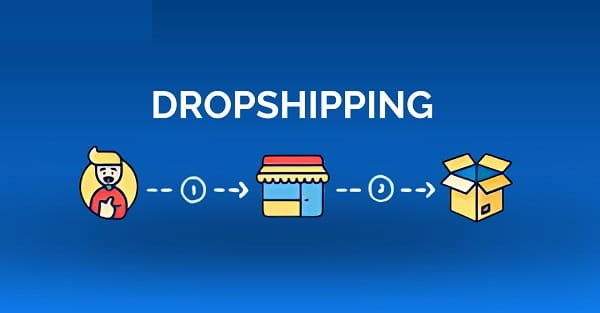
Dropshipping is an e-commerce business model where the seller does not keep products in stock. Instead, when a customer places an order on the seller’s online store, the seller forwards the order details to a supplier, manufacturer, wholesaler, or fulfilment partner. The supplier then packs and ships the product directly to the customer.
The seller earns profit from the difference between the selling price and the supplier’s cost, after deducting marketing, platform, payment gateway, refund, and other expenses.
For example, if a seller lists a product for ₹999 and the supplier charges ₹600 including shipping, the gross difference is ₹399. But from this amount, the seller may still have to pay ad cost, payment charges, website cost, returns, discounts, and taxes. That is why dropshipping profit must be calculated carefully.
Key Advantages of E-Commerce Dropshipping
1. Low Investment to Start
The biggest advantage of dropshipping is low starting investment. In a traditional e-commerce business, the seller has to buy inventory first. This means money gets blocked in stock even before sales begin.
In dropshipping, the seller does not need to purchase products in bulk. Products are bought from the supplier only after receiving customer orders. This reduces the pressure of inventory investment.
For beginners who want to test online selling without putting large money at risk, dropshipping looks attractive.
2. No Need to Maintain Inventory
Managing stock is one of the hardest parts of product-based business. Sellers must arrange storage space, track stock levels, handle damaged products, manage packaging, and avoid unsold inventory.
Dropshipping removes much of this burden. The supplier handles product storage and dispatch. The seller can focus more on product selection, online store management, marketing, customer service, and branding.
This makes the model lighter than traditional retail.
3. Easy to Test Products
Dropshipping allows sellers to test different products quickly. If one product does not sell, the seller can remove it and try another product without suffering heavy stock loss.
This is very useful in fast-moving categories like fashion accessories, home improvement items, mobile accessories, beauty tools, kitchen products, pet products, and lifestyle products.
A seller can test demand through ads, social media, SEO, influencer marketing, or marketplace listings before deciding which products deserve more focus.
4. Location Flexibility
A dropshipping business can be managed from almost anywhere if the seller has internet access, a laptop or mobile, supplier contacts, and a working payment system.
The seller does not need a physical shop or large warehouse. Many dropshipping sellers work from home, small offices, or shared workspaces.
This flexibility makes it suitable for people who want a digital business without traditional shop setup.
5. Wider Product Range
Since the seller does not have to buy inventory in advance, it becomes easier to offer a wider range of products. A normal store may hesitate to stock too many items because unsold stock becomes a loss. But a dropshipping store can list multiple products from different suppliers.
This helps the seller experiment with categories and understand what customers actually want.
However, too many random products can also confuse customers. A focused niche store usually performs better than a messy store with unrelated products.
6. Lower Operational Burden
In a normal e-commerce business, the seller has to manage packing material, warehouse staff, dispatch, courier pickup, inventory count, and product handling. Dropshipping reduces these operational tasks because the supplier handles fulfilment.
This allows a small seller to run the business with fewer resources. In the early stage, even one person can manage the store, ads, customer queries, and supplier coordination.
7. Useful for Niche Brands
Dropshipping can be useful for building a niche e-commerce brand. For example, a store can focus on pet accessories, desk setup products, fitness tools, baby care items, travel accessories, or home organisation products.
Instead of selling everything, the owner can build a strong theme and target a specific audience. If the niche is chosen well, dropshipping can become a good starting point for a larger brand.
Key Disadvantages of E-Commerce Dropshipping
1. Low Profit Margins
Dropshipping often has lower profit margins than traditional wholesale buying. Since the seller buys products one by one from the supplier, the purchase cost may be higher.
On top of that, the seller may have to spend heavily on ads, website maintenance, payment gateway charges, discounts, returns, and customer support. After all these costs, the actual profit may be much lower than expected.
Many beginners fail because they calculate only product cost and selling price. They ignore marketing and refund costs.
2. High Competition
Dropshipping is easy to start, so competition is also very high. Many sellers may sell the same product from the same supplier with similar photos and descriptions.
This makes price competition strong. If everyone is selling the same product, customers may choose the cheapest option. This reduces profit and makes branding difficult.
To survive, the seller needs better product selection, better content, better customer experience, and stronger marketing.
3. Less Control Over Product Quality
In dropshipping, the seller usually does not handle the product personally before it reaches the customer. This creates a quality risk.
If the supplier sends a low-quality item, wrong size, damaged product, or different colour, the customer will complain to the seller, not the supplier. The seller’s brand reputation suffers even if the mistake was made by the supplier.
This is one of the biggest weaknesses of the model.
4. Shipping Delays
Delivery speed matters a lot in e-commerce. Customers now expect fast shipping, tracking updates, and smooth delivery. In dropshipping, shipping depends on the supplier and courier partner.
If the supplier delays dispatch or uses a slow delivery service, the customer may become angry. Delayed delivery can lead to cancellations, refund requests, bad reviews, and loss of trust.
This problem becomes worse when products are sourced from distant locations or international suppliers.
5. Difficult Customer Service
The seller is responsible for customer service, but many problems are outside the seller’s direct control. For example, late shipping, wrong product, damaged item, missing package, size mismatch, and return disputes depend partly on the supplier.
Still, the customer expects quick answers from the store. If the seller cannot solve issues fast, the business can get negative reviews.
In dropshipping, customer service can become stressful because the seller is stuck between customer expectations and supplier response.
6. Supplier Dependence
The entire business depends heavily on suppliers. If the supplier increases prices, runs out of stock, changes product quality, stops shipping, or becomes unresponsive, the seller’s business gets affected immediately.
A dropshipping store should not depend on only one supplier. Backup suppliers are important. But finding reliable backup suppliers also takes time and effort.
7. Branding Is Harder
In traditional e-commerce, the seller can control packaging, inserts, product quality, unboxing experience, and branding. In dropshipping, the supplier often controls packaging and dispatch.
This makes it harder to create a premium brand experience. If the packaging is plain or poor, the customer may not remember the store.
Some suppliers offer private labelling or branded packaging, but that usually costs more and may require minimum order quantities.
8. Return and Refund Problems
Returns are a major challenge in dropshipping. If a customer returns a product, the seller must coordinate with the supplier. Some suppliers may not accept returns easily. Some may deduct charges. Some may take too long to process refunds.
This can create financial pressure on the seller. If many customers return products, profit can disappear quickly.
Clear return policies are very important in this model.
When Is Dropshipping a Good Business Model?
Dropshipping is a good option when the seller wants to test products with low investment, build an online store, understand customer demand, and learn digital marketing. It is also useful when the seller has a strong niche idea and reliable suppliers.
This model works best when the seller chooses good products, checks supplier quality, keeps realistic delivery promises, and focuses on customer experience.
When Should You Avoid Dropshipping?
Dropshipping should be avoided if you expect quick guaranteed profit, do not want to handle customer complaints, cannot manage ads, or have no reliable supplier. It is also risky if you sell poor-quality products only because they look trendy.
If the business needs full control over quality, packaging, delivery, and branding, traditional inventory-based e-commerce may be better.
FAQs
Q1. Is dropshipping legal?
A: Yes, dropshipping is legal if the seller follows normal business, tax, consumer protection, payment, product safety, and e-commerce rules. The seller should sell genuine products, avoid fake branded goods, provide correct product details, and follow proper refund and return policies.
Q2. Do you need GST for dropshipping in India?
A: GST may be required depending on how and where the business sells. If the seller sells through e-commerce marketplaces or crosses the applicable turnover limit, GST registration may be needed. It is better to check with a tax professional before starting, because rules can vary based on business model and product category.
Q3. Can dropshipping be profitable?
A: Yes, dropshipping can be profitable, but only when product selection, pricing, supplier quality, ad cost, delivery time, and customer service are managed properly. High sales do not always mean high profit. The seller must calculate real net margin after all costs.
Q4. What is the biggest risk in dropshipping?
A: QThe biggest risk is lack of control. The seller depends on suppliers for product quality, stock, packing, and delivery. If the supplier makes mistakes, the seller’s brand reputation suffers. This is why supplier testing and backup suppliers are very important.