Yes, a private DNA testing or ancestry analytics business can be legal in India, but only if it is run with proper consent, privacy protection, reliable lab standards, honest advertising, and clear limits on what the report can claim.
DNA testing is no longer limited to police cases, hospitals, or court disputes. Today, people are curious about ancestry, family origin, genetic traits, disease risk, nutrition response, fitness tendency, and biological relationships. A startup may see this as a modern business opportunity: collect a saliva sample, process it through a lab, and give the customer a digital ancestry or genetic insight report.
But this business is sensitive. DNA is not like a mobile number or email ID. It can reveal information about a person, their family line, biological relatives, health tendencies, and inherited traits. If a company collects DNA samples casually, stores genetic data without clear permission, makes exaggerated health claims, or tests someone without consent, it can quickly move from a legal business into a serious privacy, consumer protection, and ethical problem.
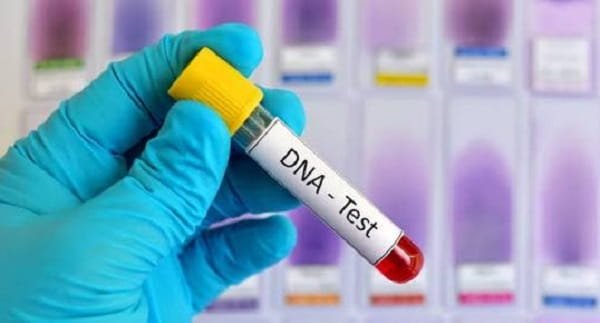
Is DNA Testing Business Banned in India?
No, private DNA testing is not completely banned in India. Many private diagnostic and genetic testing services operate in India. However, there is no simple “free-for-all” permission where any company can collect samples, analyse DNA, and sell reports without responsibility.
The legal position depends on the exact service. A basic ancestry report, a paternity test, a health-risk genetic test, a carrier screening test, and a forensic DNA test are not the same. Each carries a different level of legal and ethical risk.
India’s earlier DNA Technology Regulation Bill, which aimed to regulate DNA technology for identifying persons in certain matters, was withdrawn in July 2023. That does not mean DNA testing is unregulated; it means businesses must still comply with data protection law, lab standards, consent rules, health-sector norms, advertising law, and ethical guidelines.
Consent Is the Core Legal Requirement
The most important rule is simple: do not test anyone’s DNA without clear consent.
For a private DNA testing business, consent should not be hidden inside long terms and conditions. The customer should clearly know:
- What sample is being collected.
- What type of DNA analysis will be done.
- Whether the result is ancestry-only, trait-based, relationship-based, or health-related.
- How long the sample and data will be stored.
- Whether the data will be used for research, product improvement, AI training, or sharing with third parties.
- How the customer can withdraw consent or request deletion where applicable.
The Digital Personal Data Protection Act, 2023 requires personal data to be processed only on valid grounds such as consent or certain legitimate uses. It also recognises rights such as access, correction, erasure, grievance redressal, and nomination. Since DNA-linked information is deeply personal, a business should treat it with the highest level of care.
Genetic Data Privacy Must Be Taken Seriously
A DNA testing business usually collects both biological samples and digital personal data. This may include name, age, gender, address, mobile number, email, family details, ethnicity-related information, health information, and raw genetic data.
Under India’s DPDP framework, companies handling personal data are treated as data fiduciaries and must follow duties relating to notice, consent, security safeguards, breach handling, and user rights. The DPDP Rules, 2025 were notified by MeitY and provide the operational framework for implementing the data protection law.
So, a DNA startup should not store reports on unsecured drives, share customer data with marketing partners, or keep samples forever without a reason. Genetic data leakage can damage not only one person but also family members who never gave consent.
Testing Children Requires Extra Caution
If the customer is a minor, parental or guardian consent becomes essential. The DPDP Act specifically requires verifiable consent of the parent or lawful guardian before processing personal data of a child or a person with disability who has a lawful guardian.
For ancestry curiosity, testing children may look harmless, but the company should still be careful. The report may reveal sensitive family facts, biological relationship questions, or health-related possibilities. The safer approach is to avoid unnecessary testing of minors unless there is a clear lawful basis and proper guardian consent.
Lab Quality and Accreditation Matter
A DNA testing business should either operate through a competent laboratory or partner with one. If the service is health-related or diagnostic in nature, lab quality becomes even more important.
NABL provides accreditation for testing, calibration, and medical laboratories in India, including medical testing laboratories under ISO 15189. For a serious DNA testing business, working with a properly accredited lab is not just a marketing point. It protects the company, improves reliability, and builds trust with customers, doctors, and regulators.
If a company only acts as a marketing platform but sends samples to a third-party lab, it should still disclose the lab relationship clearly and ensure that the lab follows proper sample handling, testing, storage, and reporting standards.
Ancestry Reports Should Not Make False Claims
Ancestry analytics is often based on probability, reference databases, population comparison, and statistical modelling. It should not be sold as absolute truth.
- A company should avoid claims like:
- “100% accurate ancestry.”
- “Find your exact caste by DNA.”
- “Know your pure race.”
- “Guaranteed foreign origin report.”
- “Scientifically prove your community identity.”
Such claims can be misleading and socially harmful. India is genetically and socially complex. An ancestry report should be explained as an estimate based on available reference data, not as a legal, caste, nationality, religion, or community certificate.
Health-Based DNA Reports Need More Responsibility
If the business gives health-risk reports, disease tendency reports, carrier screening, pharmacogenomics, prenatal genetics, cancer risk, or lifestyle recommendations, the compliance burden becomes heavier.
ICMR’s ethical guidance highlights that genetic test results can have family and social implications, and confidentiality along with pre-test and post-test non-directive counselling by qualified persons is important. It also says written consent should be obtained for genetic screening, confirmatory tests, pre-symptomatic testing, next-generation sequencing, carrier testing, genomic studies, and similar activities.
So, a company should not directly scare customers with statements like “You will get cancer” or “Your child will have this disease.” Genetic risk is not the same as diagnosis. Health reports should be reviewed carefully, explained responsibly, and supported by qualified professionals where needed.
Direct-to-Consumer Genetic Testing Is a Grey Area
Direct-to-consumer genetic testing is growing, but it remains sensitive. ICMR’s national ethical guidelines note the growth of direct-to-consumer genetic testing and raise concerns around sensitivity, specificity, interpretation, and the ability of consumers to understand the results properly.
This does not make every DTC DNA business illegal. But it means the business must avoid overpromising, provide clear disclaimers, offer counselling where necessary, and avoid presenting entertainment-style genetic results as medical certainty.
Paternity and Relationship Testing Need Proper Consent
Paternity, maternity, sibling, or relationship testing is legally more sensitive than ancestry curiosity. Testing a child or another adult secretly can lead to privacy violations and family disputes.
A private company should not accept hair, toothbrushes, used cups, or other “secret samples” without proper consent from the person being tested. For court-admissible paternity reports, chain of custody, identity verification, sample collection protocol, and legal documentation matter. A casual home DNA kit may give private information, but it may not automatically become strong legal evidence.
Sending Samples Outside India
Some ancestry companies send samples abroad for processing. This should be handled carefully.
ICMR’s guidance on transfer of human biological material discusses exchange of biological material abroad for research or diagnostic purposes and notes that individual diagnostic or therapeutic exchange may be done without restriction where considered necessary by the doctor in charge. Other research-linked transfer situations may require stricter handling.
For a commercial ancestry business, cross-border sample movement should not be hidden from customers. The consent form should clearly mention where the sample will be processed, who will access the data, and whether genetic data will be stored outside India.
What Should a Legal DNA Testing Startup Do?
A legally safer DNA testing business should have proper company registration, strong consent forms, a privacy policy, secure digital storage, customer deletion rights, qualified lab partners, clear report disclaimers, grievance support, and strict sample destruction policies.
It should also separate entertainment ancestry reports from medical genetic reports. If the company gives health-related insights, it should involve qualified genetic counsellors, doctors, or domain experts.
Most importantly, it should never test someone secretly, never sell genetic data casually, and never make social, caste, race, disease, or legal claims beyond what the science and law support.
FAQs
Q: Can a DNA ancestry startup operate legally in India?
A: Yes, it can operate legally if it gets informed consent, uses reliable lab processes, protects genetic data, avoids misleading claims, and clearly explains the limits of ancestry reports.
Q: Can a company test someone’s DNA without their permission?
A: No, that is highly risky and should be avoided. DNA testing without consent can violate privacy, create legal disputes, and damage the credibility of the business.
Q: Can ancestry DNA reports be used as caste or nationality proof?
A: No. A private ancestry report should not be treated as legal proof of caste, religion, nationality, tribe, or community identity. It is only a genetic estimate based on available databases.
Q: Is NABL accreditation mandatory for every DNA ancestry business?
A: Not always in the same way for every service, but using an accredited or technically competent lab is strongly advisable. For medical or diagnostic genetic testing, lab quality and accreditation become much more important.
Q: Can a DNA testing company keep customer samples forever?
A: It should not do so casually. The company should clearly mention sample storage duration, purpose, deletion process, and destruction policy in its consent and privacy documents. Long-term storage without a valid reason and clear consent can create serious privacy risk.