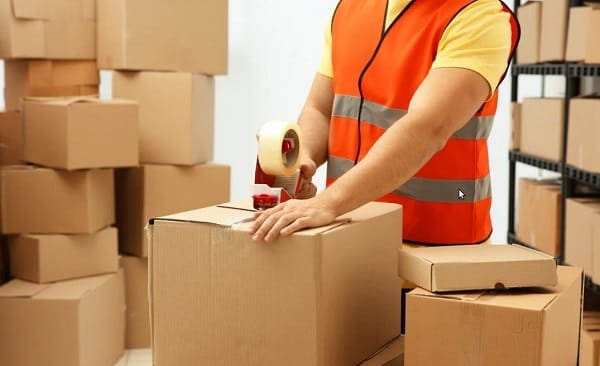
Yes, running a small micro-fulfillment center from home can be legal in India, but only if the activity is permitted in that residential premises and the business follows local municipal, zoning, tax, packaging, safety, and product-specific rules.
The idea sounds very practical. A small online seller keeps stock at home, packs orders from one room, and hands parcels to courier pickup boys every day. For a new D2C brand, Instagram seller, marketplace seller, boutique owner, book seller, cosmetics reseller, toy seller, or home-based food business, this saves rent and keeps costs low.
But a home does not automatically become a warehouse just because the business is small. The legal issue depends on what you store, how much you store, whether customers or delivery agents regularly visit, whether neighbours are disturbed, whether the goods are safe, and whether the local authority allows that activity from a residential address. A silent home office is one thing. A mini-warehouse with cartons, staff, loading activity, inflammable goods, food stock, or daily courier traffic is a different matter.
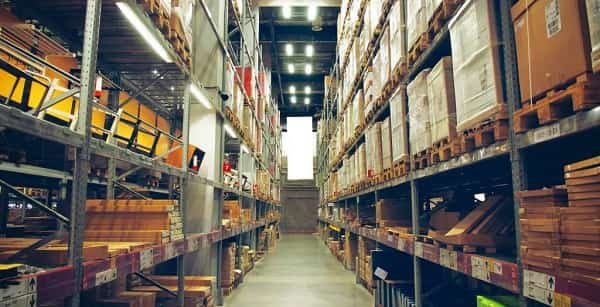
What Is a Micro-Fulfillment Center?
A micro-fulfillment center is a small storage and dispatch point used to receive, store, pack, label, and ship products. In a home setup, it may be one room, garage, basement, terrace room, or small rented residential space used for online order processing.
This model is common for:
- small e-commerce sellers
- Instagram and WhatsApp businesses
- boutique clothing sellers
- book and stationery sellers
- home décor brands
- cosmetics resellers
- packaged food sellers
- electronics accessories sellers
The business may look small, but legally it can still be treated as a storage, trading, packing, or commercial activity.
Residential Use vs Commercial Use
The first question is whether your residential premises can legally be used for this type of business.
Some small home-based activities may be allowed in certain cities if they do not disturb neighbours, do not create traffic, do not involve hazardous goods, and have required permissions. But full commercial storage or warehouse activity may not be allowed in many residential areas.
Local rules matter. For example, Delhi’s municipal system requires trade or storage licence for permitted trade activities, and MCD states that general trade/storage licence is mandatory for traders and establishments under its jurisdiction. BMC Mumbai also states that establishments should take the necessary licence before starting manufacturing, storage, or trade of any commodity or activity.
So the answer is not simply “home business is allowed” or “home business is banned.” The correct question is: Is this particular storage and dispatch activity permitted at this particular address?
Local Municipal Licence May Be Needed
If you are storing goods and dispatching orders daily, your local municipal corporation may treat it as a trade or storage activity. In that case, a trade licence, storage licence, health trade licence, shop and establishment registration, or local business permission may be required depending on the city and product type.
Bhubaneswar Municipal Corporation, for example, describes a trade licence as permission to carry on a particular trade or business and says the area of the commercial establishment is assessed before fixing the licence amount.
This matters because a licence is usually premises-specific. A GST registration or company registration does not automatically authorise warehouse activity from a residential flat.
Check Landlord, Society and RWA Rules
If the home is rented, check the rent agreement. Many residential rental agreements do not allow commercial use, stock storage, staff movement, or customer visits. If the landlord later objects, the business may face eviction or dispute.
If it is an apartment, housing society or RWA rules also matter. Even if the municipal authority is not immediately checking, neighbours may object to courier movement, noise, lift use, cartons in common areas, fire risk, or visitor traffic.
A home-based micro-fulfillment setup is safer when it is low-volume, quiet, non-hazardous, and does not disturb others.
GST Compliance for Online Sellers
GST must also be checked. If you sell goods through an e-commerce marketplace where GST TCS applies, registration may be required even if turnover is small. CBIC’s FAQ says every person supplying goods through an e-commerce operator is mandatorily required to register, irrespective of value of supply, though service suppliers have some separate threshold-related treatment.
If you sell only through your own website or offline/direct channels, GST registration depends on turnover, product category, state, and type of supply. But once you sell through large marketplaces, GST registration often becomes unavoidable for goods sellers.
Packaging and Labelling Rules
If you pack or repack products at home, legal metrology rules may apply. For pre-packaged commodities, mandatory declarations like manufacturer/packer/importer details, country of origin, generic product name, net quantity, month and year, MRP, unit sale price, and consumer care details are important. The Department of Consumer Affairs has also highlighted these declarations under the Legal Metrology framework.
This is very important for home sellers who buy in bulk and repack into smaller units. If you are changing the pack, adding your brand label, making combo packs, or selling gift hampers, you may become responsible for proper declarations.
Product Category Can Change the Legal Risk
Not all products are equal.
If you store clothes, books, small stationery, or handmade décor in low quantity, the compliance risk may be manageable. But if you store food, supplements, cosmetics, medicines, batteries, electronics, chemicals, perfumes, sanitizers, aerosols, or inflammable goods, the legal and safety burden becomes higher.
For food products, FSSAI registration or licence may be needed. FSSAI’s FoSCoS system lists business categories such as wholesaler, distributor, retailer, transporter, storage, direct seller, and petty retailer, showing that food storage and sale activities are regulated separately.
For electronics, e-waste and BIS-related compliance may apply. For cosmetics, product legality and labelling matter. For medicines, drug licence rules may apply. A residential room should not be used to store regulated or risky goods casually.
Fire Safety and Hazardous Goods
Fire safety is one of the biggest practical concerns in home fulfillment. Large cartons, plastic packaging, battery products, perfumes, aerosols, chemical items, and electrical goods can increase risk.
Delhi’s household industry guidance under the Master Plan framework says no inflammable or hazardous substance is permitted to be stored for household industrial units, and separate industrial electricity connection and municipal licence may be necessary.
Even if your city has different wording, the principle is clear: a home-based setup should not create safety danger for family members, neighbours, delivery staff, or the building.
Courier Pickup and Neighbour Disturbance
A small seller dispatching five parcels a day is different from a seller dispatching 200 parcels a day. Regular loading and unloading, courier queues, delivery bikes, staff movement, packing noise, and blocked corridors can make the activity look like a commercial warehouse.
If the setup causes nuisance, traffic, parking issues, fire risk, or complaints, the local authority or housing society may take action even if the business is registered elsewhere.
When It Becomes Legally Unsafe
Running a micro-fulfillment center from home becomes risky when:
- the area is purely residential and storage/trade is not permitted
- there is no trade or storage licence where required
- the landlord or society has not allowed commercial use
- the business stores hazardous, inflammable, or regulated products
- food is stored or packed without FSSAI compliance
- pre-packaged goods are sold without proper labels
- daily courier traffic disturbs neighbours
- staff are working from the premises without compliance
- common areas are used for cartons or dispatch
- the seller hides the business activity from authorities
The risk is higher when the home starts functioning like a mini warehouse instead of a small home office.
Safer Way to Run It from Home
Start with low-risk products and low quantity. Use only one clearly separated room for storage. Do not block passages, staircase, parking, lift lobby, or common areas. Keep invoices, stock records, GST details, packaging records, and customer complaint records.
Get landlord NOC if rented. Check society rules if it is an apartment. Apply for local trade/storage licence if required. Use proper product labels. Avoid inflammable goods, food items, medicines, chemicals, and battery-heavy stock unless you have proper compliance.
Once orders increase, shift to a proper commercial warehouse, co-warehousing space, third-party fulfillment center, or small licensed commercial unit. Scaling from home may save rent, but one complaint or inspection can become costly.
FAQs
Q: Can I use one room at home to pack online orders?
A: Yes, it may be possible if the activity is small, non-hazardous, permitted by local rules, and does not disturb neighbours. But you should still check municipal licence, society rules, landlord permission, GST, and product-specific compliance.
Q: Do I need a trade licence for a home-based fulfillment setup?
A: In many cities, trade or storage activity from any premises may require local permission. The exact rule depends on your municipal corporation, product type, and scale of activity.
Q: Can I store food products at home and sell online?
A: Only with proper food safety compliance. Food sale, storage, packing, or repacking may need FSSAI registration or licence. Hygiene, labelling, expiry, storage conditions, and batch records are very important.
Q: Can my housing society stop my home fulfillment business?
A: Yes, if the activity violates society rules, causes nuisance, creates safety risk, uses common areas, or changes the residential character of the premises. Written permission is safer before scaling.
Q: When should I move from home to a commercial warehouse?
A: Move when orders increase, stock becomes bulky, courier movement becomes frequent, staff are needed, neighbours complain, or the product category requires stricter storage and safety conditions.