Traffic accidents affect a city’s economy through lost work hours, higher healthcare spending, property damage, and insurance costs that continue long after the crash scene is cleared. A single serious collision can involve emergency responders, hospital treatment, vehicle repairs, missed work, and months or years of follow-up care. Cities built around heavily traveled highways carry more of that burden simply because greater exposure creates more opportunities for serious crashes.
For an individual household, those citywide costs become much more concrete. Medical bills can arrive while an injured person is still unable to work, and a totaled vehicle can disrupt the transportation a family depends on to earn income. Lost wages, reduced earning capacity, medical expenses, and other financial losses are therefore among the consequences a Houston car accident attorney evaluate when determining the economic impact of a collision on an injured person. Viewed across thousands of crashes, those individual losses help explain how traffic accidents become an economic issue for Houston rather than only a road-safety problem.
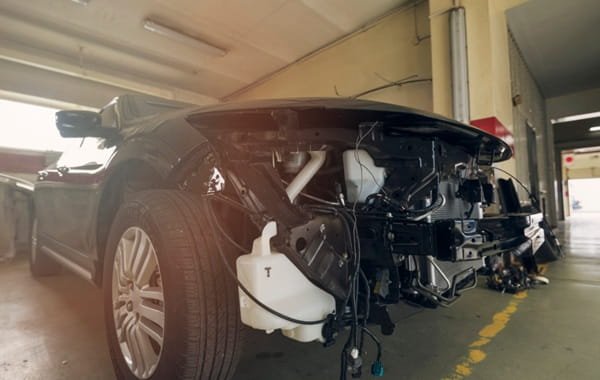
Where Does the Economic Cost of a Crash Go?
The cost of a traffic accident does not land in one place. Part of it stays with the people directly involved through medical expenses, lost income, vehicle damage, and other out-of-pocket costs. Another part is absorbed by employers when workers miss shifts or return with reduced capacity. Insurers take on covered medical and property losses, while hospitals, emergency responders, police departments, courts, and transportation agencies commit resources to the immediate crash and its aftermath.
Serious injuries extend that economic footprint further. Rehabilitation, future medical care, disability, reduced earning capacity, and long-term assistance can continue generating costs years after damaged vehicles have been removed from the road. Fatal crashes can also eliminate decades of expected earnings and household contributions. This is why economists evaluating traffic crashes look beyond repair bills and emergency-room charges: the largest economic consequences can continue accumulating long after the collision itself is over.
What Counts as the Economic Cost of Traffic Accidents?
The economic cost of traffic accidents counts every dollar a crash pulls out of a local economy, not just the vehicle repair bill. This includes lost wages from missed work, medical spending, emergency response costs, and long-term disability support in serious cases. Economists studying road safety add these categories together to measure the real weight a city’s crash rate places on its economy. Sutliff & Stout sees this cost firsthand through every injured client who misses weeks or months of work after a serious Houston crash.
What Factors Drive the Economic Cost Upward?
The factors that drive the economic cost upward are listed below.
Lost Productivity: Lost productivity describes wages and business output lost when an injured worker cannot return to their job. A single serious injury can remove a worker from the local economy for months. Multiplied across thousands of crashes each year, this cost grows into a major economic drag.
Healthcare System Strain: Healthcare system strain describes hospital and emergency room resources used treating crash injuries. Emergency rooms absorb a steady flow of crash patients, some requiring long-term care. This strain raises costs across the entire local healthcare system, not just for crash victims.
Insurance Premium Increases: Insurance premium increases describes how a city’s overall crash rate pushes auto insurance costs higher for every driver. Insurance companies price policies based partly on local crash data. A high-crash city sees this cost passed directly onto every household with a car.
Infrastructure Damage: Infrastructure damage describes public property harmed during a crash, including guardrails, signs, and roadway surfaces. Cities spend public funds repairing this damage after serious collisions. These repair costs come directly from taxpayer-funded budgets.
Legal and Court System Costs: Legal and court system costs describes public resources spent processing crash-related lawsuits and criminal cases. Courts handle a steady docket of crash cases tied to disputed fault or serious injury. This adds a quiet but real cost to local government spending.
Does a High Crash Rate Always Mean a Weaker Local Economy?
No, a high crash rate does not always mean a weaker local economy on its own, since crash volume often rises simply because more people are driving through a growing city. A booming economic corridor naturally sees more vehicles and more crashes as a side effect of growth. The real economic concern is crash severity and injury rate, not raw crash count alone. Sutliff & Stout studies both frequency and severity together, since a smaller number of serious injury crashes can cost a local economy more than a larger number of minor fender benders.
How Does a High-Traffic Corridor Compare to a Low-Traffic Area?
Placed side by side, the categories below outline how each area actually differs.
A high-traffic corridor compared to a low-traffic area is shown in the table below.
| Category | High-Traffic Corridor | Low-Traffic Area |
| Crash Frequency | Higher raw crash count | Lower raw crash count |
| Economic Cost per Mile | Higher due to volume | Lower due to volume |
| Insurance Pricing Impact | Larger effect on local rates | Smaller effect on local rates |
| Infrastructure Wear | Faster wear and repair need | Slower wear and repair need |
| Emergency Response Load | Heavier and more frequent | Lighter and less frequent |
What Steps Help Reduce the Economic Cost of Traffic Accidents?
Steps that help reduce the economic cost of traffic accidents are listed below.
- Improve High-Risk Intersection Design. Redesign intersections with a documented history of frequent, serious crashes. Better signal timing and visibility reduce both crash count and severity. Cities that invest here often see real cost savings over time.
- Expand Public Transit Options. Offer more reliable public transit to reduce total vehicle miles driven. Fewer cars on the road generally means fewer crashes overall. This shift also eases pressure on aging roadway infrastructure.
- Support Injured Workers Through Fair Claims. Ensure injured drivers receive fair, timely compensation through the legal system. Delayed or denied claims push more financial strain onto local hospitals and public assistance programs. Sutliff & Stout works to keep this financial burden off the public system.
- Track Local Crash Data Publicly. Publish crash data by corridor so residents and city planners can see real patterns. Public data helps target safety spending where it matters most. Transparency also helps injured residents understand risk along their daily routes.
- Contact a Personal Injury Attorney After a Serious Crash. Contact an attorney promptly after any crash causing real injury or lost work time. Legal counsel helps injured people recover costs that would otherwise fall on public systems.
The Real Cost of Traffic Accidents
Sutliff & Stout addresses a cost most residents never see broken down clearly. Lost productivity, healthcare strain, plus rising insurance costs rarely get connected together outside a formal economic study.
The biggest law firm in Houston, Sutliff & Stout, says: “The true cost of traffic accidents includes lost productivity, healthcare strain, plus rising insurance costs, and most residents never see these numbers connected together.”
A crash is never just a private event between two drivers. It carries a public cost too, one that shapes hospital budgets, insurance rates, and city spending long after the tow truck leaves.