The student housing hostel business is one of the most stable and profitable opportunities in the accommodation sector. Every year, millions of students relocate to different cities to pursue higher education, professional courses, coaching programs, and vocational training. Since many of these students require safe, affordable, and convenient accommodation, the demand for quality hostels continues to grow.
In 2026, the student housing industry is expanding due to increasing college enrollments, international student mobility, and the rise of private universities and coaching institutes. Modern student hostels now offer fully furnished rooms, Wi-Fi, study areas, security, meal plans, and recreational facilities to enhance the living experience. Entrepreneurs can establish independent hostels or partner with educational institutions to provide managed student accommodation. However, like every business, the student housing hostel business comes with both advantages and disadvantages.
Understanding these benefits and challenges can help entrepreneurs decide whether this business aligns with their investment capacity and long-term objectives.
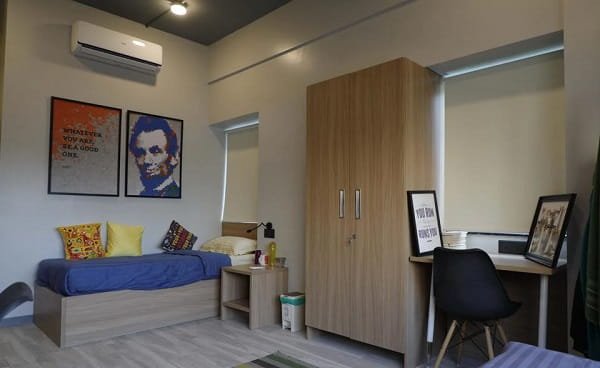
Advantages of a Student Housing Hostel Business
1. Consistent Market Demand
One of the biggest advantages of this business is the continuous demand for student accommodation. Every academic year brings a new group of students searching for safe and affordable housing near educational institutions.
Major customers include:
- College students
- University students
- Coaching institute students
- Vocational training students
- International students
- Medical students
- Engineering students
- Competitive exam aspirants
- Research scholars
- Internship participants
This broad customer base supports steady occupancy throughout the academic year.
2. Recurring Monthly Income
Hostel businesses generate predictable monthly income through accommodation fees. Many students stay for one or more academic years, providing stable cash flow and reducing frequent customer turnover.
Long-term occupancy helps improve financial planning.
3. Multiple Revenue Streams
A student hostel can generate income from:
- Room rent
- Meal plans
- Laundry services
- Parking fees
- Wi-Fi charges
- Housekeeping services
- Locker rentals
- Printing and photocopying
- Vending machines
- Recreational facilities
Offering additional services increases overall profitability.
4. High Occupancy Potential
Hostels located near universities, colleges, coaching centers, and educational hubs often maintain high occupancy rates during the academic year.
Choosing the right location significantly improves business performance.
5. Growing Demand for Managed Accommodation
Parents increasingly prefer professionally managed hostels that provide security, cleanliness, healthy meals, and proper supervision. Well-maintained facilities attract both students and parents.
6. Business Expansion Opportunities
Successful operators can expand by:
- Opening hostels in multiple cities
- Managing third-party properties
- Partnering with universities
- Offering premium student residences
- Providing transport services
- Developing branded hostel chains
Expansion creates opportunities for long-term growth.
7. Community-Based Living
Hostels naturally create a sense of community where students can study together, participate in activities, and build friendships. A positive living environment increases resident satisfaction and encourages referrals.
8. Technology-Enabled Operations
Modern hostel businesses can improve efficiency using:
- Online room bookings
- Digital rent collection
- Visitor management systems
- Smart access control
- Maintenance request platforms
- Mobile communication apps
Technology enhances both operational efficiency and the student experience.
Disadvantages of a Student Housing Hostel Business
1. High Initial Investment
Starting a student hostel requires considerable investment in:
- Property purchase or lease
- Interior furnishing
- Beds and mattresses
- Study furniture
- Kitchen equipment
- Security systems
- Wi-Fi infrastructure
- Fire safety equipment
- Working capital
Larger hostels require greater capital investment.
2. Property Maintenance Costs
Maintaining student accommodation involves regular expenses for:
- Cleaning
- Plumbing repairs
- Electrical maintenance
- Furniture replacement
- Internet services
- Painting
- Pest control
- Landscaping
Consistent maintenance is essential to maintain quality standards.
3. Seasonal Occupancy Variations
Although occupancy remains high during the academic year, demand may decline during vacations, semester breaks, or after graduation periods.
Operators should plan finances to manage seasonal fluctuations.
4. Student Management Challenges
Managing a large number of students requires effective supervision and clear policies regarding:
- Noise levels
- Visitor access
- Safety rules
- Shared facilities
- Cleanliness
- Discipline
Professional management helps maintain a positive living environment.
5. Legal and Regulatory Compliance
Depending on the location, hostel businesses may require:
- Business registration
- Building approvals
- Fire safety certification
- Health and sanitation compliance
- Local municipal permissions
- Tax registrations
Compliance with local regulations is essential before starting operations.
6. Strong Competition
Student hostels compete with:
- Paying guest (PG) accommodations
- Rental apartments
- Co-living spaces
- University hostels
- Private student residences
- Shared rental housing
Businesses must differentiate themselves through better facilities, pricing, and service quality.
7. Utility and Operating Expenses
Recurring operational costs include:
- Electricity
- Water
- Internet
- Staff salaries
- Security services
- Food preparation
- Waste management
- Common area maintenance
Effective cost management is necessary to maintain healthy profit margins.
8. Resident Turnover
Students eventually complete their courses or relocate for internships and employment. Hostel operators must continuously attract new residents each academic year.
Strong marketing and partnerships with educational institutions help maintain occupancy.
Tips for Building a Successful Student Housing Hostel Business
Success in this business depends on creating a safe, comfortable, and student-friendly environment. Consider these practical strategies:
- Select a location close to educational institutions.
- Provide clean and fully furnished rooms.
- Install reliable high-speed internet throughout the property.
- Maintain strict security with CCTV and controlled entry systems.
- Offer nutritious meal plans and hygienic dining facilities.
- Hire professional management and housekeeping staff.
- Provide study rooms and recreational areas.
- Implement online booking and digital payment systems.
- Build partnerships with colleges and coaching institutes.
- Encourage resident feedback and continuously improve facilities.
Is a Student Housing Hostel Business Profitable?
Yes. A student housing hostel business can be highly profitable because educational institutions generate continuous demand for accommodation every year. Revenue opportunities include room rent, meal services, laundry, parking, Wi-Fi, premium room upgrades, and other value-added services.
Profitability depends on selecting a strategic location, maintaining high occupancy, controlling operating costs, delivering excellent facilities, and building a strong reputation among students and parents. Operators who consistently provide safe, comfortable, and well-managed accommodation often achieve sustainable long-term growth.
Conclusion
The student housing hostel business remains one of the most dependable opportunities in the accommodation industry in 2026. Rising student mobility, increasing higher education enrollment, and growing demand for professionally managed housing continue to support market growth.
Although entrepreneurs must manage challenges such as high startup investment, maintenance costs, seasonal occupancy changes, student management responsibilities, legal compliance, competition, and recurring operating expenses, the business offers numerous advantages, including recurring monthly income, high occupancy potential, multiple revenue streams, expansion opportunities, and technology-enabled management. Entrepreneurs who prioritize safety, cleanliness, operational efficiency, and resident satisfaction can build a profitable and sustainable student housing hostel business.
FAQs
Q: What are the main advantages of a student housing hostel business?
A: The major advantages include consistent market demand, recurring monthly income, multiple revenue streams, high occupancy potential, growing demand for managed accommodation, business expansion opportunities, community-based living, and technology-enabled operations.
Q: What are the disadvantages of a student housing hostel business?
A: Common disadvantages include high startup investment, property maintenance costs, seasonal occupancy variations, student management challenges, legal and regulatory compliance, strong competition, recurring utility expenses, and resident turnover.
Q: Is a student housing hostel business profitable in 2026?
A: Yes. The growing number of students relocating for education makes this business profitable when supported by a strategic location, high occupancy, efficient management, quality facilities, and excellent customer service.
Q: What facilities should a student housing hostel provide?
A: A modern student hostel can offer furnished rooms, study tables, high-speed Wi-Fi, meal services, housekeeping, laundry facilities, CCTV surveillance, biometric or smart access, common study areas, recreation rooms, parking, water purifiers, power backup, and 24/7 security.
Q: What equipment and infrastructure are required to start a student housing hostel?
A: Typical requirements include beds, mattresses, wardrobes, study desks, chairs, kitchen appliances, washing machines, refrigerators, water purifiers, CCTV cameras, Wi-Fi routers, fire safety equipment, backup power systems, biometric access systems, furniture, and hostel management software. The exact requirements depend on the property’s size and service level.
Q: How can a student housing hostel attract more residents?
A: A student hostel can attract more residents by choosing a location near colleges, offering affordable pricing, maintaining clean and secure facilities, providing quality meals, ensuring reliable internet, partnering with educational institutions, encouraging resident referrals, using digital marketing, offering flexible booking options, and consistently delivering excellent service.