No, it is not legally safe to dropship branded cosmetics internationally without checking licences, product registration, brand authorisation, labelling rules, customs rules, and destination-country cosmetic regulations. Dropshipping does not remove legal responsibility.
Cosmetics are not like phone covers or fashion accessories. A lipstick, serum, sunscreen, hair colour, face cream, perfume, eyelash glue, whitening cream, or acne product is applied directly to the body. If the product is fake, expired, contaminated, wrongly labelled, or not approved for that country, the buyer may face skin burns, allergy, eye irritation, infection, or worse. That is why cosmetics are regulated more seriously than ordinary lifestyle products.
Many online sellers think dropshipping is a shortcut: list branded cosmetics on Shopify, Instagram, Amazon, or TikTok Shop, take the order, and let a foreign supplier ship directly to the customer. But legally, the seller may still be treated as the person placing the product in the market. If the product violates cosmetic law, trademark rights, import rules, or consumer protection rules, the excuse “I never touched the product” may not protect the business.
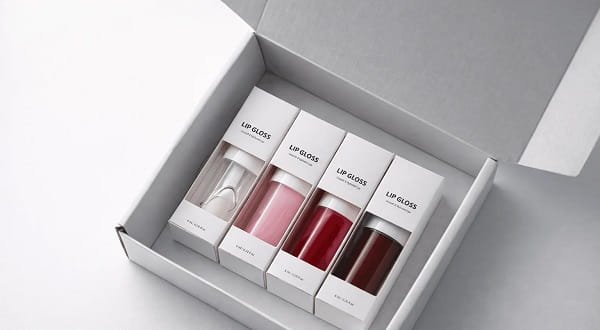
First Check: Are the Products Genuine or Counterfeit?
The biggest risk in branded cosmetics dropshipping is fake stock. Many suppliers sell “branded” makeup, skincare, perfume, or hair products at unusually low prices. If the goods are counterfeit, selling them is illegal. It can lead to trademark infringement, customs seizure, marketplace suspension, refund claims, and legal action from the brand owner.
Even if the product looks original, the seller should verify invoices, batch numbers, manufacturer details, distribution channel, expiry date, and authorised supply source. Branded cosmetics are heavily copied, especially perfumes, luxury skincare, Korean beauty products, salon products, and makeup palettes.
Do You Need Brand Permission?
For genuine products, resale rules can be complex. In some cases, lawful resale of genuine goods may be possible. But that does not mean you can freely use the brand’s logo, product images, celebrity campaign photos, official descriptions, or “authorised seller” language.
If you claim “official distributor,” “authorised reseller,” “brand partner,” or “100% brand-approved,” you need real written permission. Without it, your marketing can become misleading. Brand owners may also object if you sell outside authorised territories, tamper with packaging, remove batch labels, or sell products not meant for that market.
Dropshipping Does Not Avoid Import Rules
If you sell cosmetics to Indian customers and the product is imported into India, Indian import rules matter. CDSCO says import of cosmetics into India is regulated by the Central Licensing Authority, and no cosmetic shall be imported unless it is registered under the Cosmetics Rules, 2020. The product, pack size, variants, and manufacturing premises must be registered before import.
This means an Indian seller cannot casually dropship foreign cosmetics into India just because the supplier is shipping from abroad. If the product is being imported for commercial sale, the proper import registration route, documentation, labelling, and quality compliance should be checked.
CDSCO’s guidance says an application for import registration is made in Form COS-1 on the SUGAM portal, and the Import Registration Certificate is granted in Form COS-2. It also says the application may be made by the manufacturer, authorised agent, importer in India, or Indian subsidiary authorised by the manufacturer.
Destination Country Rules Apply
International dropshipping becomes more complicated because every destination country has its own cosmetic rules. A product legal in China, Korea, Dubai, or the US may not automatically be legal in India, the EU, UK, Canada, or Australia.
For example, in the United States, FDA’s MoCRA framework requires a responsible person to list each marketed cosmetic product with FDA, including product ingredients, and update listings annually. FDA also defines the responsible person as the manufacturer, packer, or distributor whose name appears on the cosmetic label.
In the European Union, cosmetic products placed on the market must be notified through the Cosmetic Product Notification Portal by the responsible person or, in some cases, distributors. The CPNP notification is linked to EU cosmetic compliance and market surveillance.
In Great Britain, every cosmetic product available to consumers must be notified through the UK SCPN system, and every product must have a Responsible Person. GOV.UK also warns that failure to notify can lead to fine and possible imprisonment.
So, if you sell internationally, you cannot follow only Indian rules. You must check the law of the customer’s country.
Labelling Is a Serious Issue
Cosmetic labels must usually show product identity, ingredients, quantity, manufacturer/importer details, batch number, expiry or best-before date, warnings, usage directions, country of origin, and responsible party details, depending on the country.
For products sold in India, packaged commodity rules require declarations such as name and address of manufacturer/packer/importer, country of origin, generic name, net quantity, month and year of manufacture, MRP, unit sale price, best-before/use-by date where relevant, and consumer care details.
A dropshipper often has no control over packaging. That is dangerous. If the supplier ships a product with Chinese-only labels, missing importer details, wrong MRP, no expiry, no batch number, or unapproved claims, the seller may face complaints.
Be Careful With Medical and Skin-Lightening Claims
Cosmetics can claim beautifying, cleansing, fragrance, grooming, or appearance-related benefits. But if the product claims to cure acne, treat eczema, remove scars permanently, cure pigmentation, repair hormones, or treat hair loss medically, it may enter drug or therapeutic-claim territory.
CDSCO’s cosmetic rules page also states that no cosmetic may claim or convey an idea that is false or misleading to the user. So even if a foreign supplier gives aggressive marketing lines, do not copy them blindly into your product page.
Marketplace and Consumer Liability
If you sell through marketplaces, you must follow platform rules also. Marketplaces may ask for invoices, brand authorisation, product registration, safety documents, import records, and proof of authenticity. If buyers complain of fake or unsafe cosmetics, your account can be suspended.
Consumer protection rules also matter. If the product is defective, wrongly described, expired, fake, or delivered late, customers can demand refund or replacement. The seller cannot simply say, “Contact the foreign supplier.”
When Dropshipping Branded Cosmetics Becomes Unsafe
This business becomes risky when:
- The supplier is not authorised.
- The product is fake or grey-market.
- The product is not registered for the destination country.
- The label is not compliant.
- The product has no batch or expiry details.
- The seller uses official brand images without permission.
- The product claims medical results.
- The seller hides country of origin.
- The product is shipped as “gift” to avoid customs.
- The seller has no return, refund, or complaint system.
Any of these can create legal and business trouble.
Safer Way to Do It
If you want to sell branded cosmetics internationally, first choose genuine suppliers with proper invoices and brand authorisation where needed. Check whether the product is allowed in each target country. Confirm cosmetic registration, notification, responsible person requirements, ingredient restrictions, claims, and labelling rules.
For India, check CDSCO registration and import compliance. For the US, check FDA/MoCRA duties. For the EU and UK, check Responsible Person and product notification requirements. Also keep product liability insurance, customer support, refund policy, and batch traceability.
The safest business model is not blind dropshipping. It is authorised distribution, compliant import, correct labelling, and controlled fulfilment.
FAQs
Q: Can I dropship branded cosmetics from China to India without CDSCO registration?
A: No, that is not safe for commercial sale. Imported cosmetics into India must comply with CDSCO registration and Cosmetics Rules requirements.
Q: Can I sell genuine branded cosmetics without becoming an authorised dealer?
A: Sometimes resale of genuine goods may be possible, but you should not claim authorised status, use restricted brand assets, or sell products outside permitted channels. For cosmetics, regulatory compliance still applies.
Q: Who is responsible if the foreign supplier sends fake or expired cosmetics?
A: You may still be responsible to the customer if you took the order and sold the product. The supplier’s fault does not fully protect the seller.
Q: Can I use official brand photos from the internet?
A: Not safely. Product photos, campaign images, model photos, and brand creatives may be protected by copyright and brand terms. Use only authorised images or your own approved product images.