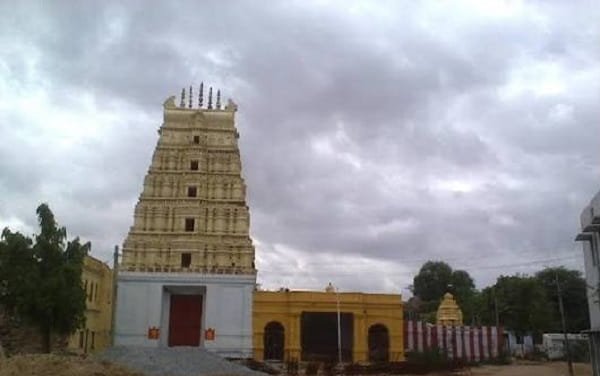
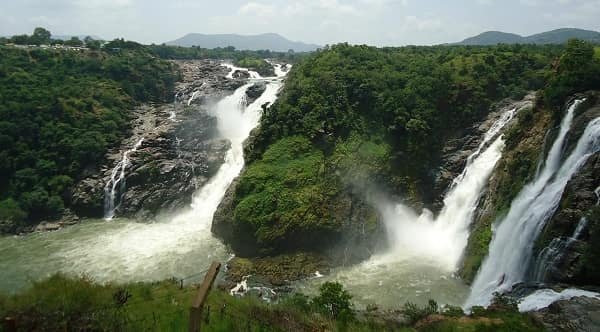
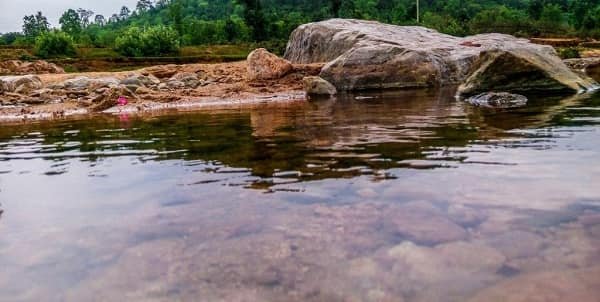
Kodaikanal is a famous hill station located in the Dindigul district of Tamil Nadu. However, it is important to clarify that Kodaikanal is not a separate district. Instead, it serves as a major tourist town within Dindigul district. Moreover, Kodaikanal is widely known for its cool climate, scenic landscapes, and tranquil environment. As a result, it attracts tourists, honeymooners, and nature lovers throughout the year. Although the area maintains a calm and natural setting, it continues to grow steadily with tourism and infrastructure development. Consequently, Kodaikanal stands out as one of South India’s most popular hill destinations.
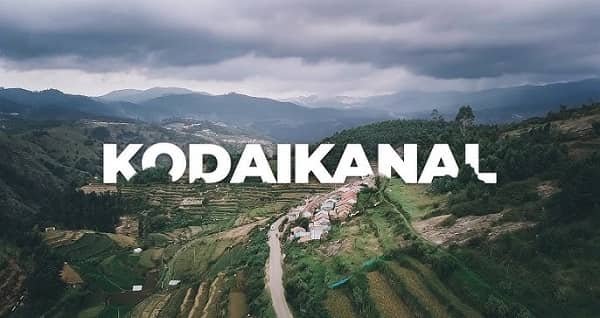
Kodaikanal District Quick Overview
| Particulars | Details |
| Area Name | Kodaikanal |
| District | Dindigul |
| State | Tamil Nadu |
| Region | Western Ghats |
| Known For | Hill station, tourism |
| Official Language | Tamil |
| Elevation | Approx. 2,133 meters |
| Economy | Tourism, agriculture |
Historical Background of Kodaikanal
Kodaikanal has a fascinating historical background. Earlier, indigenous tribes inhabited the region. Therefore, it developed a unique cultural identity.
During the 19th century, British officials discovered the area and developed it as a hill station. Consequently, Kodaikanal became a summer retreat for colonial administrators.
After independence, Kodaikanal evolved into a major tourist destination. Moreover, it retained its natural charm and colonial heritage. Therefore, it continues to attract visitors from across India.
Geography and Location
Kodaikanal lies in the Western Ghats and features hills, forests, and lakes.
Key Geographic Features:
- Located at high altitude
- Surrounded by dense forests
- Presence of valleys and waterfalls
- Cool and pleasant climate
Because of its geography, the region supports tourism and plantation agriculture. Moreover, scenic beauty enhances its appeal. Therefore, Kodaikanal holds ecological significance.
Administrative Structure
Kodaikanal functions under Dindigul district administration.
Administrative Highlights:
- Managed by local municipal authorities
- District administration oversees governance
- Development projects focus on tourism
Consequently, governance ensures proper infrastructure and public services.
Economy of Kodaikanal
The economy of Kodaikanal mainly depends on tourism. However, agriculture and small businesses also contribute.
Major Economic Activities:
- Tourism
- Hospitality services
- Agriculture
- Small-scale trade
Because of its popularity as a hill station, tourism drives economic growth. Moreover, agriculture supports local livelihoods. Therefore, the region has a service-oriented economy.
Agriculture in Kodaikanal
Agriculture plays an important role in the local economy.
Key Crops:
- Carrots
- Potatoes
- Garlic
- Fruits like pears and plums
Additionally, favorable climate supports horticulture. Consequently, farmers benefit from high-value crops.
Tourism in Kodaikanal
Kodaikanal is one of the most popular tourist destinations in Tamil Nadu. Therefore, it attracts visitors throughout the year.
Major Tourist Attractions:
- Kodaikanal Lake: Iconic star-shaped lake
- Coaker’s Walk: Scenic walking path
- Pillar Rocks: Natural rock formations
- Bryant Park: Botanical garden
Because of these attractions, tourism contributes significantly to the local economy. Moreover, eco-tourism continues to grow.
Connectivity and Transport
Kodaikanal has good connectivity with nearby cities.
Transport Options:
- Road: Well-connected to Madurai and Dindigul
- Rail: Nearest railway station in Kodai Road
- Air: Nearest airport is Madurai Airport
Because of these facilities, travel remains convenient. Consequently, tourism benefits.
Education and Infrastructure
Kodaikanal has developed infrastructure focused on tourism.
Facilities Include:
- Schools and educational institutions
- Healthcare centers
- Hotels and resorts
- Banking and financial services
Moreover, tourism-driven development continues to enhance infrastructure. Therefore, the town shows steady progress.
Culture and Lifestyle
Kodaikanal reflects a mix of Tamil culture and modern tourism lifestyle. Therefore, diversity plays an important role.
Cultural Highlights:
- Tamil is the primary language
- Festivals like Pongal and Deepavali are celebrated
- Blend of local traditions and tourist culture
- Peaceful lifestyle
Consequently, the town maintains a vibrant cultural identity.
Challenges Faced by Kodaikanal
Despite development, Kodaikanal faces several challenges.
Key Challenges:
- Environmental degradation
- Waste management issues
- Over-tourism
- Infrastructure pressure
However, authorities are addressing these issues. Therefore, sustainable tourism is gaining importance.
Future Development Prospects
Kodaikanal shows strong potential for growth. Therefore, future development may focus on:
- Promoting eco-tourism
- Improving infrastructure
- Protecting natural resources
- Enhancing tourism services
Consequently, the region may achieve sustainable development.
Final Words
Kodaikanal is a beautiful hill destination that combines natural charm, tourism, and cultural richness. Although it is not a district, it plays a vital role in Tamil Nadu’s tourism sector. Moreover, its landscapes and climate make it a favorite among travelers. Therefore, Kodaikanal continues to grow while preserving its natural beauty. With sustainable development and responsible tourism, it holds strong potential for the future.
FAQs
Q: Is Kodaikanal a district?
A: No, it is a hill station in Dindigul district.
Q: Where is Kodaikanal located?
A: It is located in Tamil Nadu in the Western Ghats.
Q: What is Kodaikanal famous for?
A: It is known for its cool climate and scenic beauty.
Q: Which crops are grown in Kodaikanal?
A: Carrots, potatoes, garlic, and fruits are commonly grown.
Q: Is Kodaikanal a tourist destination?
A: Yes, it is one of the most popular hill stations in India.
Q: How can I reach Kodaikanal?
A: You can travel by road or via nearby railway stations and Madurai airport.
Q: Which language is spoken in Kodaikanal?
A: Tamil is the primary language.
Q: What are the main economic activities?
A: Tourism, agriculture, and small businesses.