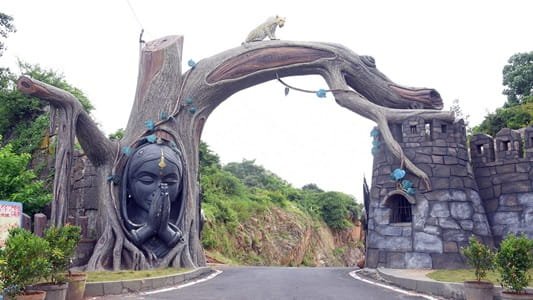
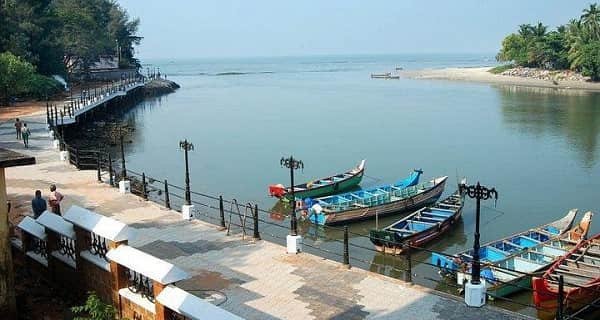
Thrissur district is one of the most culturally vibrant and historically significant districts in Kerala. Located in central Kerala, it is often called the “Cultural Capital of Kerala.” Moreover, Thrissur plays a crucial role in preserving art, traditions, and festivals. As a result, it attracts scholars, tourists, and cultural enthusiasts from across the country. Although the district maintains deep-rooted traditions, it also shows steady progress in infrastructure and economic development. Consequently, Thrissur stands out as a district that perfectly blends culture, commerce, and modern growth.
Thrissur District Quick Overview
| Particulars | Details |
| District Name | Thrissur |
| State | Kerala |
| Headquarters | Thrissur |
| Region | Central Kerala |
| Known For | Culture, festivals, temples |
| Official Language | Malayalam |
| Major Rivers | Periyar, Bharathapuzha |
| Economy | Trade, services, agriculture |
Historical Background of Thrissur District
Thrissur district has a rich historical background shaped by ancient kingdoms and cultural traditions. Earlier, the region formed part of powerful South Indian kingdoms. Therefore, it developed strong cultural and administrative systems.
Notably, the Chera dynasty significantly influenced the region. Consequently, trade and cultural exchange flourished.
During medieval times, local rulers and later the Kingdom of Cochin played an important role in governance. After British rule, Thrissur emerged as a major cultural and administrative center. Therefore, it continues to reflect a blend of historical heritage and modern development.
Geography and Location:
Thrissur district lies in central Kerala and features plains, rivers, and coastal areas.
Key Geographic Features:
- Located between northern and southern Kerala
- Presence of rivers like the Periyar and the Bharathapuzha
- Coastal areas and inland plains
- Tropical climate
Because of its geography, agriculture and settlements thrive. Moreover, rivers support irrigation and ecological balance. Therefore, Thrissur holds geographical importance.
Administrative Structure
Thrissur district follows a well-organized administrative system.
Administrative Highlights:
- District Collector oversees governance
- Divided into taluks and blocks
- Municipal corporations manage urban areas
- Panchayats govern rural regions
Consequently, governance ensures the effective delivery of public services and development programs.
Economy of Thrissur District
The economy of Thrissur is diverse and dynamic. It includes trade, services, and agriculture.
Major Economic Activities:
- Gold and jewelry trade
- Banking and financial services
- Agriculture
- Tourism
Because of its strong commercial base, Thrissur is known as a financial hub. Moreover, agriculture supports rural livelihoods. Therefore, the district plays a vital role in Kerala’s economy.
Agriculture in Thrissur
Agriculture forms an important part of the district’s economy.
Key Crops:
- Paddy (rice)
- Coconut
- Rubber
- Spices
Additionally, a favorable climate supports farming activities. Consequently, agriculture sustains many communities.
Cultural Importance of Thrissur
Thrissur is widely recognized for its cultural heritage.
Key Highlights:
- Famous for the Thrissur Pooram festival
- Rich tradition of classical arts
- Centers for music and dance
- Strong temple culture
Because of these cultural elements, Thrissur holds a unique place in Kerala’s identity.
Tourism in Thrissur District
Thrissur district offers several cultural and natural attractions. Therefore, it attracts tourists throughout the year.
Major Tourist Attractions:
- Vadakkunnathan Temple: Historic temple
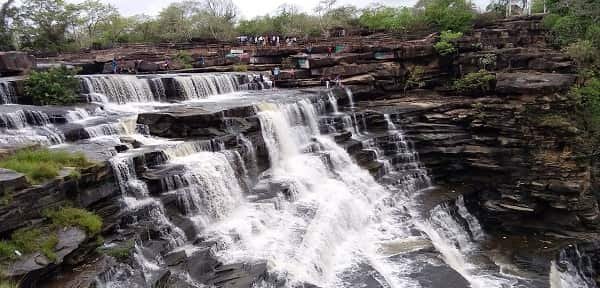
- Athirappilly Waterfalls: Popular natural attraction
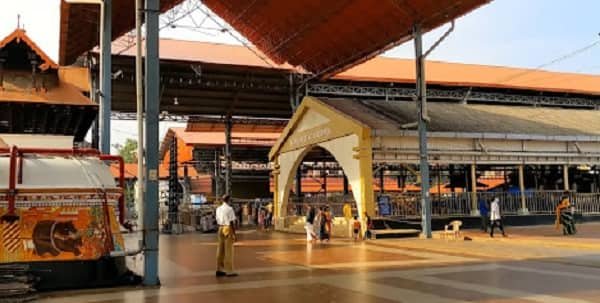
- Guruvayur Temple: Major pilgrimage site
- Thrissur Zoo and Museum: Educational attraction
Because of these attractions, tourism contributes significantly to the district’s economy. Moreover, cultural tourism continues to grow.
Connectivity and Transport
Thrissur district enjoys excellent connectivity.
Transport Options:
- Road: Well-connected highways
- Rail: Thrissur railway station connects major cities
- Air: Cochin International Airport
Because of these facilities, travel remains convenient, thereby benefiting trade and tourism.
Education and Infrastructure
Thrissur has strong infrastructure and a strong educational system.
Facilities Include:
- Schools and colleges
- Universities and research centers
- Healthcare facilities
- Banking and financial services
Moreover, development initiatives continue to enhance infrastructure. Therefore, the district shows rapid progress.
Culture and Lifestyle
Thrissur reflects rich Malayalam culture and traditions. Therefore, festivals and customs play an important role.
Cultural Highlights:
- Malayalam is the primary language
- Festivals like Thrissur Pooram and Onam are celebrated
- Strong artistic traditions
- Balanced urban and rural lifestyle
Consequently, the district maintains a vibrant cultural identity.
Challenges Faced by Thrissur District
Despite development, Thrissur faces several challenges.
Key Challenges:
- Urbanization pressure
- Traffic congestion
- Environmental concerns
- Infrastructure demand
However, authorities are addressing these issues. Therefore, development continues steadily.
Future Development Prospects
Thrissur shows strong potential for growth. Therefore, future development may focus on:
- Promoting tourism
- Expanding infrastructure
- Supporting cultural preservation
- Enhancing economic activities
Consequently, the district may achieve balanced development.
Final Words
Thrissur district combines cultural richness, economic strength, and historical significance. It plays a vital role in Kerala’s identity and development. Moreover, its festivals, traditions, and infrastructure enhance its importance. Therefore, Thrissur continues to grow while preserving its heritage. With sustainable planning and development, it holds strong potential for the future.
FAQs
Q: Where is Thrissur district located?
A: It is located in central Kerala.
Q: Why is Thrissur called the cultural capital of Kerala?
A: It is known for festivals, arts, and traditions.
Q: Which rivers flow through Thrissur?
A: The Periyar and Bharathapuzha rivers flow through the district.
Q: What crops are grown in Thrissur?
A: Paddy, coconut, rubber, and spices are commonly grown.
Q: Is Thrissur a tourist destination?
A: Yes, it offers cultural and natural attractions.
Q: How can I reach Thrissur?
A: You can travel by road, rail, or via Cochin International Airport.
Q: Which language is spoken in Thrissur?
A: Malayalam is the primary language.
Q: What are the main economic activities?
A: Trade, services, agriculture, and tourism.