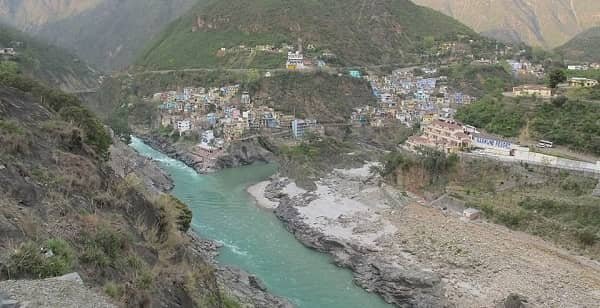
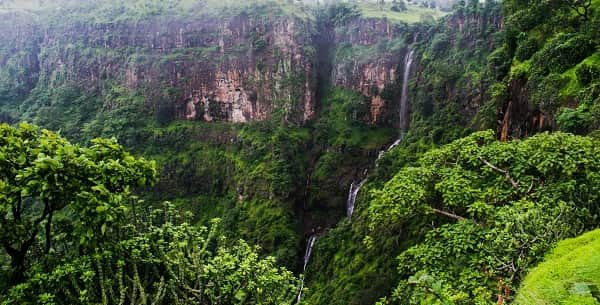
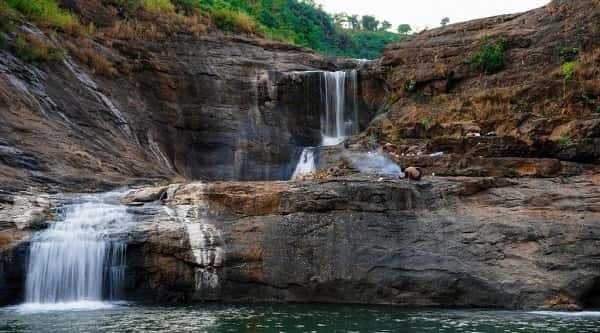
Thane district is one of the most urbanized and economically significant districts in the state of Maharashtra. It lies in the western part of the state and forms a major part of the Mumbai Metropolitan Region. Moreover, Thane district is widely known for its rapid urban development, industrial growth, and connectivity. As a result, it attracts businesses, professionals, and residents from across India. Although the district has strong urban centers, it also includes rural and tribal areas that add diversity to its profile. Consequently, Thane district stands out as a dynamic region with both modern infrastructure and natural landscapes.
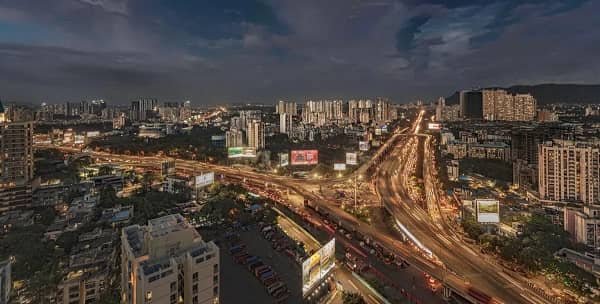
Thane District Quick Overview
| Particulars | Details |
| District Name | Thane |
| State | Maharashtra |
| Headquarters | Thane |
| Region | Konkan |
| Known For | Urban development, industries |
| Official Language | Marathi |
| Major River | Ulhas |
| Economy | Industry, services, trade |
Historical Background of Thane District
Thane district has a rich historical background that dates back to ancient times. The region was known as “Shristhanaka” in early records. Therefore, it held importance in trade and administration.
Historically, the area was ruled by several dynasties, including the Maurya Empire and later regional powers. Subsequently, the Portuguese and the British controlled the region due to its coastal location. Consequently, Thane developed as an important trade center.
After India’s independence, Thane district experienced rapid urbanization due to its proximity to Mumbai. Therefore, it became a major part of Maharashtra’s development story.
Geography and Location:
Thane district lies in the western coastal region of Maharashtra. It shares borders with Mumbai, Palghar, and other districts.
Key Geographic Features:
- Located along the Arabian Sea
- Presence of rivers such as the Ulhas
- Mix of urban areas, forests, and hills
- Tropical climate with monsoon rainfall
Because of its geography, the district supports both urban development and natural ecosystems. Moreover, coastal areas enhance economic activities. Therefore, Thane holds geographical and economic importance.
Administrative Structure
Thane district follows a structured administrative system.
Administrative Highlights:
- District Collector oversees governance
- Divided into several taluks
- Municipal corporations manage urban areas
- Panchayats govern rural regions
Consequently, governance ensures efficient delivery of public services and development programs.
Economy of Thane District
The Thane district economy is highly diversified. It includes industry, services, and trade.
Major Economic Activities:
- Industrial manufacturing
- IT and service sector
- Real estate development
- Trade and commerce
Because of its proximity to Mumbai, Thane has become a major economic hub. Moreover, industries and corporate offices generate employment. Therefore, the district contributes significantly to Maharashtra’s economy.
Industrial and Commercial Development
Thane is known for its industrial growth.
Key Features:
- Industrial zones and estates
- Manufacturing units
- IT parks and business hubs
Because of the district’s strong infrastructure, industries thrive there. Consequently, Thane attracts investments and businesses.
Tourism in Thane District
Thane district offers several tourist attractions. Therefore, it attracts visitors seeking nature and leisure.
Major Tourist Attractions:
- Upvan Lake: Popular recreational spot
- Tansa Wildlife Sanctuary: Rich biodiversity
- Suraj Water Park: Entertainment destination
- Yeoor Hills: Scenic natural area
Because of these attractions, tourism contributes to the district’s economy. Moreover, eco-tourism continues to grow.
Connectivity and Transport
Thane district enjoys excellent connectivity.
Transport Options:
- Road: Extensive highway network
- Rail: Suburban railway network connected to Mumbai
- Air: Nearest airport is Chhatrapati Shivaji Maharaj International Airport
Because of these transport facilities, commuting remains convenient. Consequently, trade and mobility improve significantly.
Education and Infrastructure
Thane has a well-developed infrastructure.
Facilities Include:
- Schools and colleges
- Engineering and management institutions
- Advanced healthcare facilities
- Banking and financial services
Moreover, urban development continues to enhance infrastructure. Therefore, the district shows rapid progress.
Culture and Lifestyle
Thane reflects a blend of traditional Maharashtrian culture and modern urban lifestyle.
Cultural Highlights:
- Marathi is the primary language
- Festivals like Ganesh Chaturthi and Diwali are widely celebrated
- Diverse population with multicultural influences
- Urban lifestyle with modern amenities
Consequently, the district maintains a vibrant and dynamic cultural identity.
Challenges Faced by Thane District
Despite development, Thane faces several challenges.
Key Challenges:
- Traffic congestion
- Rapid urbanization
- Environmental concerns
- Infrastructure strain
However, government initiatives aim to address these issues. Therefore, development continues steadily.
Future Development Prospects
Thane shows strong potential for further growth. Therefore, future development may focus on:
- Smart city initiatives
- Sustainable urban planning
- Expansion of infrastructure
- Promotion of green spaces
Consequently, the district may continue to evolve as a major urban hub.
Final Words
Thane district combines economic strength, urban development, and cultural diversity. It plays a vital role in Maharashtra’s growth due to its proximity to Mumbai. Moreover, its infrastructure and industrial base enhance its importance. Therefore, Thane continues to expand while maintaining its unique identity. With sustainable planning and development, it holds strong potential for the future.
FAQs
Q: Where is the Thane district located?
A: It is located in western Maharashtra near Mumbai.
Q: What is Thane famous for?
A: It is known for urban development, industries, and connectivity.
Q: Which river flows through Thane?
A: The Ulhas River flows through the district.
Q: Is Thane part of Mumbai?
A: No, it is a separate district but part of the Mumbai Metropolitan Region.
Q: How can I reach Thane?
A: You can travel by road, rail, or via Mumbai airport.
Q: Which language is spoken in Thane?
A: Marathi is the primary language.
Q: What are the main economic activities?
A: Industry, services, trade, and real estate.
Q: What are the tourist attractions in Thane?
A: Upvan Lake, Yeoor Hills, and Tansa Sanctuary are popular.