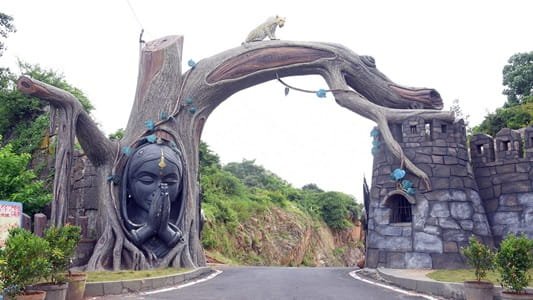
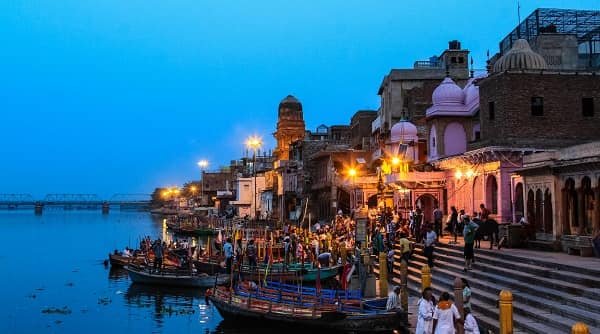
Poonch district is a historically rich and strategically significant district in the Union Territory of Jammu and Kashmir. It lies in the western part of the region and shares a border with Pakistan-administered areas. Therefore, it holds both geopolitical and cultural importance. Moreover, Poonch is known for its scenic landscapes, diverse communities, and strong historical legacy. As a result, it attracts tourists, historians, and travelers interested in border regions. Although the district has faced developmental challenges, it continues to grow steadily with improved infrastructure and governance. Consequently, Poonch stands out as a unique region that blends natural beauty with historical depth.
Poonch District Quick Overview
| Particulars | Details |
| District Name | Poonch |
| Union Territory | Jammu and Kashmir |
| Headquarters | Poonch |
| Region | Pir Panjal |
| Border | Line of Control (LoC) |
| Official Language | Urdu, Hindi |
| Known For | Scenic beauty, history |
| Economy | Agriculture and trade |
Historical Background of Poonch District
Poonch district has a long and diverse history. In ancient times, local rulers governed the region. Later, it came under the influence of various empires and kingdoms.
During medieval times, rulers from surrounding regions controlled Poonch. Subsequently, it became part of the princely state of Jammu and Kashmir under Dogra rule. Therefore, the district developed administrative and cultural significance.
Moreover, Poonch played a key role during the Indo-Pakistani War of 1947–1948. Consequently, the region gained strategic importance along the Line of Control. Today, its history continues to shape its identity.
Geography and Location
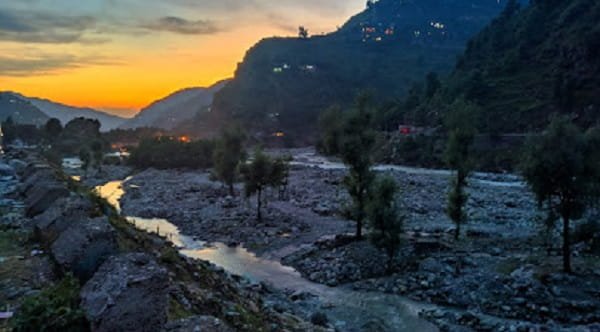
Poonch district lies in the Pir Panjal range of the Himalayas. It is surrounded by mountains and valleys.
Key Geographic Features:
- Located in hilly and mountainous terrain
- Part of the Pir Panjal mountain range
- Rivers and streams flowing through valleys
- Moderate to cold climate
Because of its geography, Poonch offers scenic landscapes and natural beauty. Moreover, the climate supports seasonal agriculture. Therefore, the region has both ecological and economic importance.
Administrative Structure
Poonch district follows a standard administrative setup.
Administrative Highlights:
- District Magistrate oversees governance
- Divided into tehsils and blocks
- Municipal bodies manage urban services
- Panchayats govern rural areas
Consequently, governance ensures effective implementation of development programs and services.
Economy of Poonch District
The economy of Poonch mainly depends on agriculture and small-scale activities. However, trade and livestock also contribute.
Major Economic Activities:
- Agriculture and farming
- Animal husbandry
- Small-scale trade
- Handicrafts
Because of limited industrial development, agriculture remains the primary occupation. Moreover, livestock farming supports rural livelihoods. Therefore, the district maintains a rural economic structure.
Agriculture in Poonch
Agriculture plays a key role in the district’s economy.
Key Crops:
- Wheat
- Maize
- Barley
- Pulses
Additionally, farmers practice seasonal agriculture due to climatic conditions. Consequently, agriculture provides sustenance to the local population.
Tourism in Poonch District
Poonch offers natural beauty and historical significance. Therefore, it has potential for tourism development.
Major Tourist Attractions:
- Noori Chamb Waterfall: Scenic natural attraction
- Poonch Fort: Historical structure
- Mandi Town: Known for temples and cultural heritage
- Loran Valley: Beautiful valley with forests
Because of these attractions, Poonch attracts visitors seeking peaceful and less crowded destinations. Moreover, its landscapes offer great opportunities for eco-tourism.
Connectivity and Transport
Poonch district has moderate connectivity due to its terrain.
Transport Options:
- Road: Connected via Jammu and nearby regions
- Rail: Nearest railway station in Jammu
- Air: Nearest airport is Jammu Airport
Because of these options, travel remains manageable. Consequently, connectivity continues to improve gradually.
Education and Infrastructure
Poonch has improved its infrastructure over the years.
Facilities Include:
- Schools and colleges
- Government hospitals
- Banking services
- Road networks
Moreover, development initiatives aim to enhance facilities further. Therefore, the district shows steady progress.
Culture and Lifestyle
Poonch reflects a diverse cultural environment. Therefore, traditions and festivals play an important role.
Cultural Highlights:
- Languages include Urdu, Hindi, and local dialects
- Festivals like Eid and Diwali are celebrated
- Traditional music and customs
- Strong community ties
Consequently, the district maintains a rich cultural identity shaped by diversity.
Challenges Faced by Poonch District
Despite progress, Poonch faces several challenges.
Key Challenges:
- Border tensions and security concerns
- Limited industrial development
- Difficult terrain affecting connectivity
- Seasonal economic limitations
However, government initiatives aim to address these issues. Therefore, development continues steadily.
Future Development Prospects
Poonch shows strong potential for growth. Therefore, future development may focus on:
- Improving infrastructure and connectivity
- Promoting tourism
- Enhancing agriculture and livestock sectors
- Supporting border area development
Consequently, the district may achieve balanced development in the future.
Final Words
Poonch district combines natural beauty, historical importance, and strategic significance. It plays a vital role in Jammu and Kashmir’s cultural and geopolitical landscape. Moreover, its scenic valleys and diverse traditions make it unique. Therefore, Poonch continues to grow while preserving its heritage. With improved infrastructure and development initiatives, it holds strong potential for future progress.
FAQs
Q: Where is Poonch district located?
A: It is located in Jammu and Kashmir near the Line of Control.
Q: What is Poonch famous for?
A: It is known for its scenic beauty, history, and border significance.
Q: Which crops are grown in Poonch?
A: Wheat, maize, barley, and pulses are commonly grown.
Q: Is Poonch a tourist destination?
A: Yes, it offers natural and historical attractions.
Q: How can I reach Poonch?
A: You can travel by road via Jammu or use the nearest airport in Jammu.
Q: Which languages are spoken in Poonch?
A: Urdu, Hindi, and local dialects are widely spoken.
Q: What are the main economic activities?
A: Agriculture, livestock farming, and small trade.
Q: What challenges does Poonch face?
A: Border issues, limited infrastructure, and economic constraints.