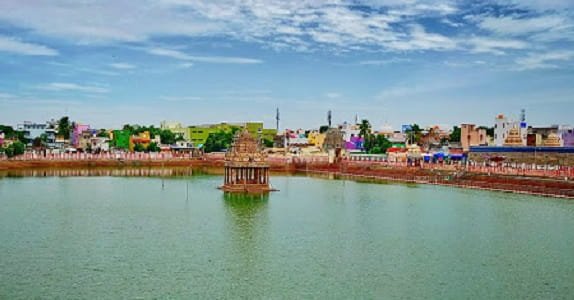
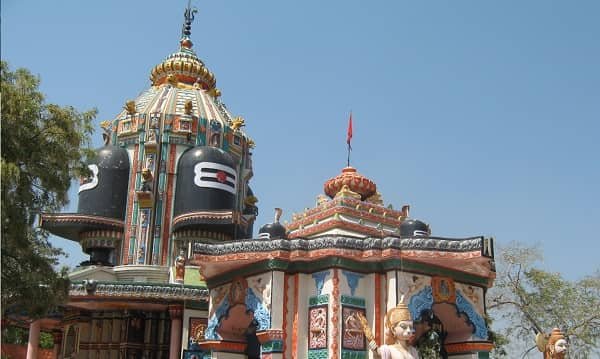
Ganjam district is one of the most prominent and historically rich districts in the state of Odisha. It lies in the southern coastal region and serves as an important cultural, economic, and administrative center. Moreover, Ganjam is widely known for its maritime history, agricultural strength, and vibrant traditions. As a result, it attracts tourists, traders, and researchers alike. Although the district has a strong rural base, it continues to grow steadily with urban expansion and infrastructure development. Consequently, Ganjam stands out as a district that combines coastal beauty with economic importance.
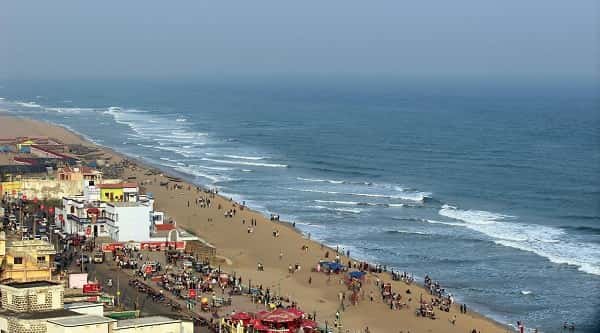
Ganjam District Odisha Quick Overview
| Particulars | Details |
| District Name | Ganjam |
| State | Odisha |
| Headquarters | Chhatrapur |
| Region | Southern Odisha |
| Known For | Agriculture, coastline, culture |
| Official Language | Odia |
| Major Rivers | Rushikulya |
| Economy | Agriculture, fishing, trade |
Historical Background of Ganjam District
Ganjam district has a rich historical background that dates back to ancient times. The region formed part of several powerful kingdoms that shaped its culture and economy.
Notably, the Kalinga Kingdom influenced the region significantly. Therefore, Ganjam developed strong cultural and maritime traditions.
During medieval times, various rulers controlled the region, and trade flourished due to its coastal location. Later, during British rule, Ganjam became an important administrative district. Consequently, it continued to grow after independence as a key district in Odisha.
Geography and Location
Ganjam district lies along the Bay of Bengal. It features coastal plains, rivers, and hills.
Key Geographic Features:
- Located in southern coastal Odisha
- Bay of Bengal coastline
- Rushikulya River flows through the district
- Tropical climate
Because of its geography, agriculture and fishing thrive in the region. Moreover, coastal areas enhance economic opportunities. Therefore, Ganjam holds geographical significance.
Administrative Structure
Ganjam district follows a structured administrative system.
Administrative Highlights:
- District Collector oversees governance
- Divided into subdivisions and blocks
- Municipal bodies manage urban areas
- Panchayats govern rural regions
Consequently, governance ensures effective delivery of public services and development programs.
Economy of Ganjam District
The economy of Ganjam is diverse. It includes agriculture, fishing, and trade.
Major Economic Activities:
- Agriculture
- Fishing and marine activities
- Trade and commerce
- Small-scale industries
Because of fertile land and coastal resources, the district has a strong economic base. Moreover, trade supports economic growth. Therefore, Ganjam plays a vital role in Odisha’s economy.
Agriculture in Ganjam
Agriculture forms the backbone of the district’s economy.
Key Crops:
- Paddy (rice)
- Coconut
- Pulses
- Groundnut
Additionally, irrigation and rainfall support farming activities. Consequently, agriculture sustains a large population.
Fisheries and Coastal Economy
Ganjam has a strong coastal economy.
Key Features:
- Fishing activities along the coast
- Marine resources
- Support for coastal communities
Because of these activities, fisheries contribute significantly to the economy. Moreover, coastal trade enhances livelihoods.
Tourism in Ganjam District
Ganjam district offers several natural and cultural attractions. Therefore, it attracts tourists throughout the year.
Major Tourist Attractions:
- Gopalpur Beach: Popular seaside destination
- Rushikulya River Mouth: Known for Olive Ridley turtle nesting
- Taratarini Temple: Famous pilgrimage site
- Taptapani Hot Springs: Natural attraction
Because of these attractions, tourism contributes significantly to the district’s economy. Moreover, eco-tourism continues to grow.
Connectivity and Transport
Ganjam district enjoys good connectivity.
Transport Options:
- Road: National highways connect major cities
- Rail: Major railway stations like Berhampur
- Air: Nearest airport is Biju Patnaik International Airport
Because of these facilities, travel remains convenient. Consequently, trade and tourism benefit.
Education and Infrastructure
Ganjam has strong infrastructure and educational institutions.
Facilities Include:
- Schools and colleges
- Universities and technical institutions
- Healthcare centers
- Banking and financial services
Moreover, development initiatives continue to enhance infrastructure. Therefore, the district shows steady progress.
Culture and Lifestyle
Ganjam reflects rich Odia culture with regional diversity. Therefore, traditions play an important role.
Cultural Highlights:
- Odia is the primary language
- Festivals like Rath Yatra and Durga Puja are celebrated
- Coastal and rural lifestyle
- Traditional arts and crafts
Consequently, the district maintains a vibrant cultural identity.
Challenges Faced by Ganjam District
Despite development, Ganjam faces several challenges.
Key Challenges:
- Cyclones and natural disasters
- Coastal erosion
- Dependence on agriculture
- Infrastructure gaps in rural areas
However, government initiatives aim to address these issues. Therefore, development continues steadily.
Future Development Prospects
Ganjam shows strong potential for growth. Therefore, future development may focus on:
- Promoting coastal tourism
- Improving infrastructure
- Supporting fisheries and agriculture
- Enhancing disaster management
Consequently, the district may achieve balanced development.
Final Words
Ganjam district combines coastal beauty, cultural richness, and economic strength. It plays a vital role in Odisha’s development. Moreover, its beaches, temples, and agriculture enhance its importance. Therefore, Ganjam continues to grow while preserving its traditions. With improved infrastructure and sustainable planning, it holds strong potential for the future.
FAQs
Q: Where is Ganjam district located?
A: It is located in southern Odisha along the Bay of Bengal.
Q: What is Ganjam famous for?
A: It is known for agriculture, beaches, and culture.
Q: Which river flows through Ganjam?
A: The Rushikulya River flows through the district.
Q: What crops are grown in Ganjam?
A: Paddy, coconut, pulses, and groundnut are commonly grown.
Q: Is Ganjam a tourist destination?
A: Yes, it has beaches, temples, and natural attractions.
Q: How can I reach Ganjam?
A: You can travel by road, rail, or via Bhubaneswar airport.
Q: Which language is spoken in Ganjam?
A: Odia is the primary language.
Q: What are the main economic activities?
A: Agriculture, fishing, trade, and small industries.