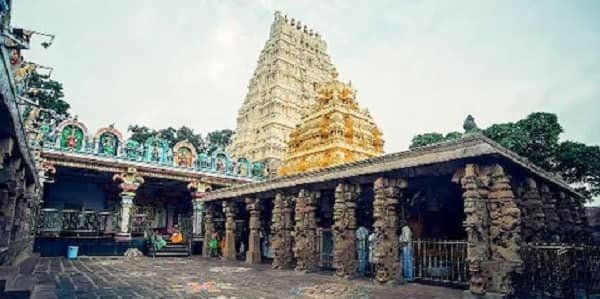
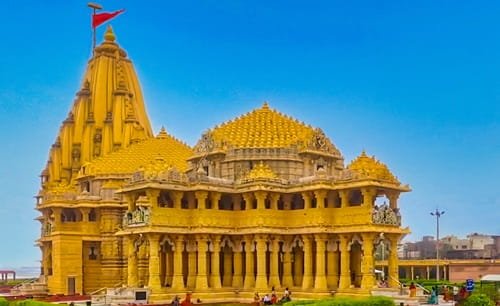
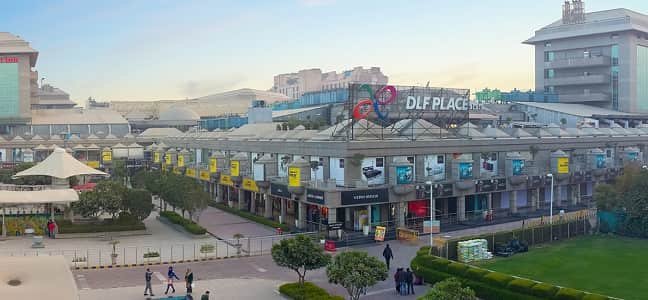
Belgaum district, officially known as Belagavi district, is one of the largest and most significant districts in the state of Karnataka. It lies in the northwestern part of the state and shares borders with Maharashtra and Goa. Therefore, it plays a key role in trade, connectivity, and cultural exchange. Moreover, Belgaum is widely known for its industrial development, agricultural strength, and historical heritage. As a result, it attracts tourists, investors, and residents alike. Although the district has a strong rural base, it also includes rapidly growing urban centers. Consequently, Belgaum stands out as a region that blends tradition with modern growth.
Belgaum District Quick Overview
| Particulars | Details |
| District Name | Belgaum (Belagavi) |
| State | Karnataka |
| Headquarters | Belagavi |
| Region | North Karnataka |
| Known For | Industry, agriculture, history |
| Official Language | Kannada |
| Major Rivers | Krishna, Ghataprabha |
| Economy | Industry, agriculture, trade |
Historical Background of Belgaum District
Belgaum district has a rich historical background that dates back to ancient times. The region has been ruled by several powerful dynasties. Therefore, it developed strong cultural and architectural traditions.
Notably, the Chalukya dynasty and later the Vijayanagara Empire influenced the region significantly. Consequently, temples, forts, and trade centers flourished.
During medieval times, Belgaum came under the control of the Marathas and later the British. After independence, it became part of Karnataka and continued to grow as an important district.
Geography and Location
ha
Belgaum district lies in northwestern Karnataka. It features diverse landscapes including plains, hills, and forested areas.
Key Geographic Features:
- Located near the Western Ghats
- Presence of rivers such as Krishna and Ghataprabha
- Fertile agricultural land
- Moderate climate
Because of its geography, agriculture thrives in the district. Moreover, natural landscapes support biodiversity. Therefore, Belgaum holds ecological and economic importance.
Administrative Structure
Belgaum district follows a structured administrative system.
Administrative Highlights:
- District Commissioner oversees governance
- Divided into taluks and subdivisions
- Municipal corporations manage urban areas
- Panchayats govern rural regions
Consequently, governance ensures effective delivery of public services and development programs.
Economy of Belgaum District
The economy of Belgaum is diverse. It includes industry, agriculture, and trade.
Major Economic Activities:
- Industrial manufacturing
- Agriculture
- Sugar production
- Trade and commerce
Because of strong infrastructure, industries thrive in the district. Moreover, agriculture supports rural livelihoods. Therefore, Belgaum has a balanced economic structure.
Industrial Development
Belgaum is one of Karnataka’s key industrial hubs.
Key Features:
- Foundry and engineering industries
- Sugar factories
- Small and medium enterprises
- Manufacturing units
Because of these industries, employment opportunities have increased. Consequently, Belgaum contributes significantly to the state’s economy.
Agriculture in Belgaum
Agriculture plays a vital role in the district’s economy.
Key Crops:
- Sugarcane
- Paddy (rice)
- Jowar (sorghum)
- Groundnut
Additionally, irrigation from rivers supports farming. Consequently, agriculture sustains a large population.
Tourism in Belgaum District
Belgaum district offers several historical and natural attractions. Therefore, it attracts tourists throughout the year.
Major Tourist Attractions:
- Belgaum Fort: Historic fort
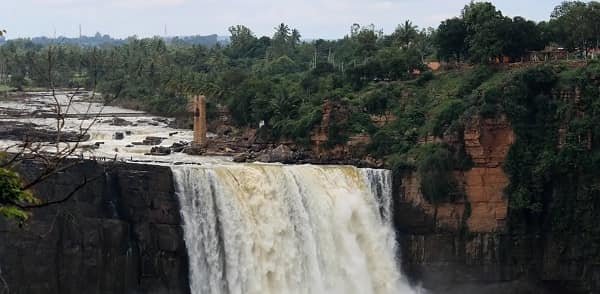
- Gokak Falls: One of the largest waterfalls in Karnataka
- Kittur Fort: Associated with Rani Chennamma
- Bhimgad Wildlife Sanctuary: Rich biodiversity
Because of these attractions, tourism contributes to the district’s economy. Moreover, eco-tourism and heritage tourism continue to grow.
Connectivity and Transport
Belgaum district enjoys excellent connectivity.
Transport Options:
- Road: National highways connect major cities
- Rail: Belagavi railway station connects to key routes
- Air: Belagavi Airport
Because of these facilities, travel remains convenient. Consequently, trade and tourism benefit.
Education and Infrastructure
Belgaum has strong infrastructure and educational institutions.
Facilities Include:
- Schools and colleges
- Engineering and medical institutions
- Healthcare facilities
- Banking and financial services
Moreover, development initiatives continue to enhance infrastructure. Therefore, the district shows rapid progress.
Culture and Lifestyle
Belgaum reflects a blend of Kannada and Marathi cultures. Therefore, cultural diversity plays an important role.
Cultural Highlights:
- Kannada is the primary language
- Marathi is also widely spoken
- Festivals like Ganesh Chaturthi and Diwali are celebrated
- Rich traditions and cuisine
Consequently, the district maintains a vibrant cultural identity.
Challenges Faced by Belgaum District
Despite development, Belgaum faces several challenges.
Key Challenges:
- Urbanization pressure
- Water management issues
- Infrastructure demand
- Environmental concerns
However, government initiatives aim to address these issues. Therefore, development continues steadily.
Future Development Prospects
Belgaum shows strong potential for growth. Therefore, future development may focus on:
- Expanding industrial zones
- Improving infrastructure
- Promoting tourism
- Enhancing agricultural productivity
Consequently, the district may achieve balanced economic growth.
Final Words
Belgaum district combines industrial strength, agricultural productivity, and cultural diversity. It plays a vital role in Karnataka’s development. Moreover, its strategic location and infrastructure enhance its importance. Therefore, Belgaum continues to grow while preserving its heritage. With sustainable development and planning, it holds strong potential for the future.
FAQs
Q: Where is Belgaum district located?
A: It is located in northwestern Karnataka.
Q: What is Belgaum also known as?
A: It is officially known as Belagavi district.
Q: What is Belgaum famous for?
A: It is known for industry, agriculture, and historical sites.
Q: Which rivers flow through Belgaum?
A: The Krishna and Ghataprabha rivers flow through the district.
Q: Is Belgaum an industrial district?
A: Yes, it is one of Karnataka’s major industrial hubs.
Q: How can I reach Belgaum?
A: You can travel by road, rail, or via Belagavi Airport.
Q: Which language is spoken in Belgaum?
A: Kannada and Marathi are widely spoken.
Q: What are the main economic activities?
A: Industry, agriculture, trade, and manufacturing.