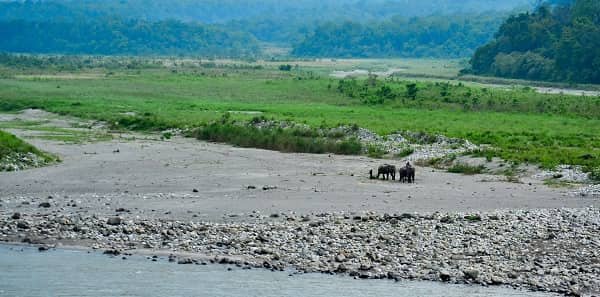
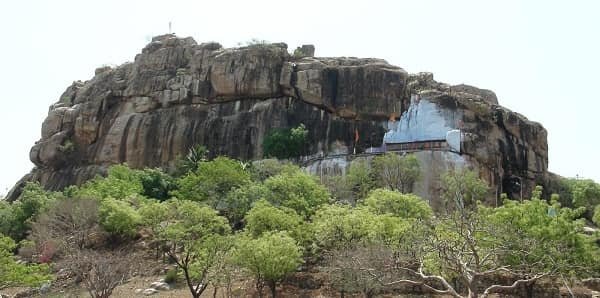
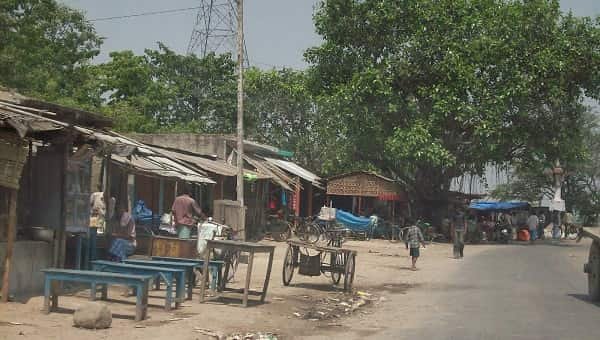
Ariyalur district is a historically rich and mineral-resource-based district in the state of Tamil Nadu. It lies in the central part of the state and plays an important role in cement production and agriculture. Moreover, Ariyalur is widely known for its limestone reserves, ancient temples, and fossil findings. As a result, the district attracts geologists, historians, and tourists alike. Although it remains largely rural, it continues to grow steadily due to industrial development and infrastructure improvements. Consequently, Ariyalur holds a unique place in Tamil Nadu’s economic and cultural landscape.
| Particulars | Details |
| District Name | Ariyalur |
| State | Tamil Nadu |
| Headquarters | Ariyalur |
| Region | Central Tamil Nadu |
| Known For | Cement industry, fossils |
| Official Language | Tamil |
| Major River | Kollidam |
| Economy | Agriculture and mining |
Historical Background of Ariyalur District
Ariyalur district has a deep historical background. Earlier, it formed part of the Tiruchirappalli district. However, administrative reorganization led to the creation of Ariyalur as a separate district in 2001.
Historically, several dynasties ruled the region. These include the Chola dynasty and later the Vijayanagara Empire. Therefore, Ariyalur developed a strong cultural and architectural heritage.
Moreover, the district holds importance in geology due to fossil discoveries. Consequently, it has gained recognition as a fossil-rich region in India.
Geography and Location
Ariyalur district lies in central Tamil Nadu and shares boundaries with districts such as Perambalur, Thanjavur, and Cuddalore.
Key Geographic Features:
- Flat terrain with fertile plains
- Presence of Kollidam River
- Rich limestone deposits
- Tropical climate with moderate rainfall
Because of its geology, the district supports both agriculture and mining. Moreover, the presence of minerals enhances industrial activity. Therefore, Ariyalur balances natural resources with economic growth.
Administrative Structure
Ariyalur district follows a structured administrative system.
Administrative Highlights:
- District Collector leads governance
- Divided into taluks such as Ariyalur, Udayarpalayam, and Sendurai
- Municipal bodies manage urban areas
- Panchayats govern rural regions
Consequently, governance ensures effective delivery of public services and development programs.
Economy of Ariyalur District
The economy of Ariyalur depends on both agriculture and industry. However, the cement industry plays a major role.
Major Economic Activities:
- Cement production
- Agriculture
- Mining
- Small-scale industries
Because of abundant limestone, cement factories operate in the district. Moreover, agriculture supports rural livelihoods. Therefore, Ariyalur has a mixed economic structure.
Agriculture in Ariyalur
Agriculture remains an important part of the district’s economy.
Key Crops:
- Paddy (rice)
- Sugarcane
- Groundnut
- Millets
Additionally, irrigation from rivers and canals supports farming. Consequently, crop production remains stable.
Cement Industry and Mining
Ariyalur is often called the “Cement Hub of Tamil Nadu.” Therefore, mining and industry play a crucial role.
Key Features:
- Large limestone reserves
- Presence of major cement plants
- Contribution to state economy
Because of industrial growth, employment opportunities have increased. However, environmental management remains important.
Tourism in Ariyalur District
Ariyalur offers historical, cultural, and geological attractions. Therefore, it attracts diverse visitors.
Major Tourist Attractions:
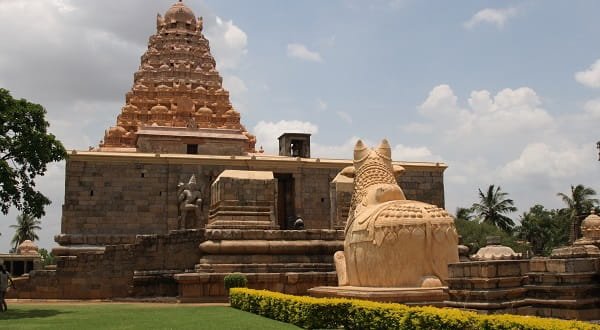
- Gangaikonda Cholapuram Temple: UNESCO-recognized heritage site
- Kaliyuga Varadaraja Perumal Temple: Famous religious site
- Fossil Parks: Known for ancient fossils
- Anaikudam Dam: Scenic location
Because of these attractions, Ariyalur has growing tourism potential. Moreover, its historical temples attract pilgrims.
Connectivity and Transport
Ariyalur district has good connectivity with major cities.
Transport Options:
- Road: Connected through state highways
- Rail: Ariyalur railway station links major cities
- Air: Nearest airport is Tiruchirappalli International Airport
Because of these transport facilities, travel remains convenient. Consequently, trade and tourism benefit.
Education and Infrastructure
Ariyalur has improved its infrastructure over the years.
Facilities Include:
- Schools and colleges
- Engineering institutions
- Government hospitals
- Banking services
Moreover, development projects continue to enhance facilities. Therefore, the district shows steady progress.
Culture and Lifestyle
Ariyalur reflects traditional Tamil culture. Therefore, festivals and customs play an important role.
Cultural Highlights:
- Tamil is the primary language
- Festivals like Pongal and Deepavali are widely celebrated
- Temple traditions dominate
- Rural lifestyle influences daily life
Consequently, the district maintains a strong cultural identity.
Challenges Faced by Ariyalur District
Despite development, Ariyalur faces certain challenges.
Key Challenges:
- Environmental impact of mining
- Limited water resources
- Rural development issues
- Dependence on agriculture
However, government initiatives aim to address these issues. Therefore, development continues steadily.
Future Development Prospects
Ariyalur shows strong potential for growth. Therefore, future development may focus on:
- Sustainable mining practices
- Expanding industrial sector
- Improving infrastructure
- Promoting tourism
Consequently, the district may emerge as an industrial and cultural hub.
Final Words
Ariyalur district combines historical heritage, industrial strength, and agricultural importance. It plays a key role in Tamil Nadu’s cement industry while preserving its cultural traditions. Moreover, its fossil sites and temples add unique value. Therefore, Ariyalur continues to grow steadily as an important district. With sustainable development and improved infrastructure, it holds strong potential for the future.
FAQs
Q: Where is Ariyalur district located?
A: It is located in central Tamil Nadu.
Q: What is Ariyalur famous for?
A: It is known for cement production, fossils, and temples.
Q: Which crops are grown in Ariyalur?
A: Paddy, sugarcane, groundnut, and millets are commonly grown.
Q: Is Ariyalur a tourist destination?
A: Yes, it offers temples, fossil sites, and scenic spots.
Q: How can I reach Ariyalur?
A: You can travel by road, rail, or via Tiruchirappalli Airport.
Q: Which language is spoken in Ariyalur?
A: Tamil is the primary language.
Q: What are the main economic activities?
A: Cement industry, agriculture, mining, and trade.
Q: What challenges does Ariyalur face?
A: Environmental concerns, water issues, and limited industrial diversity.