Yes, running an online dietary supplement business in India can be legally safe, but only when the products are FSSAI-compliant, properly labelled, honestly advertised, and sold through a transparent e-commerce process.
The supplement market in India is growing very fast. Protein powders, multivitamins, gummies, probiotics, collagen, weight-management products, herbal blends, sports nutrition, and immunity boosters are now sold through websites, Instagram pages, marketplaces, quick-commerce platforms, and influencer campaigns. For a new business owner, it looks like a high-demand category with good margins.
But this is also a sensitive business. Supplements are consumed directly by people, often with health expectations. If the product has unsafe ingredients, fake claims, wrong dosage, misleading labels, or no valid licence, the seller can face FSSAI action, consumer complaints, marketplace suspension, refund claims, and even drug-law trouble in serious cases. So the business is legal, but it is not a casual “buy, label, and sell online” business.
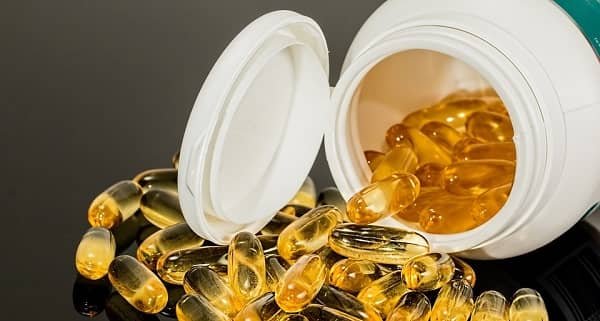
First Check: Is It a Food Supplement or a Medicine?
This is the most important legal line.
Dietary supplements, health supplements, nutraceuticals, probiotics, and foods for special dietary use are generally regulated under FSSAI when they fall within food-law categories. FSSAI’s own health supplement standards page says these regulations cover categories such as health supplements, nutraceuticals, food for special dietary use, food for special medical purpose, foods with probiotics, prebiotics, botanicals, and novel foods.
But if the product claims to treat, cure, prevent, or manage a disease like diabetes, PCOS, arthritis, thyroid, cancer, infertility, depression, or liver disease, it may start looking like a medicine, not a supplement. FSSAI’s 2022 nutra framework also states that products under those regulations do not include drugs as defined under the Drugs and Cosmetics Act.
So, “supports immunity” may be examined as a food/supplement-type claim if properly backed and allowed. But “cures viral fever” or “reverses diabetes” is dangerous wording.
FSSAI Licence or Registration Is Not Optional
Any person carrying on food business in India needs the proper FSSAI registration or licence, depending on the size and nature of the business. Section 31 of the Food Safety and Standards Act says no person shall commence or carry on food business except under a licence, while petty/small operators still need registration.
- For an online supplement business, this may apply at different levels:
- If you manufacture supplements, you need the right manufacturing licence.
- If you re-pack or re-label products, that activity must be covered.
- If you import supplements, importer compliance is needed.
- If you only sell online, your seller/e-commerce activity should still be properly registered or licensed.
- A common mistake is selling from home through Instagram or WhatsApp and thinking FSSAI applies only to big factories. That is not safe.
Product Formula Must Be Legally Permitted
A supplement is not legal only because people want to buy it. The ingredients, quantity, category, additives, claims, and warnings must match the permitted FSSAI framework.
For example, vitamins, minerals, amino acids, botanicals, probiotics, enzymes, and other active ingredients must be checked carefully. If you use imported capsules or third-party white-label products, you still need to verify whether the formula is allowed in India.
Do not blindly trust a contract manufacturer’s statement that “everything is approved.” Ask for product category, FSSAI licence copy, formula sheet, certificate of analysis, batch records, lab reports, and label compliance confirmation.
Labelling Must Be Clean and Complete
Supplements need proper labelling. This includes product name, category, ingredients, nutritional information, serving size, recommended usage, warnings, batch number, manufacturing date, expiry or best-before date, FSSAI licence number, manufacturer/marketer details, net quantity, MRP, customer care details, and other required declarations.
For supplement-type products, labels often also need statements such as “not for medicinal use,” usage directions, dosage limits, and caution for children, pregnant women, lactating women, or people with medical conditions, depending on the product.
The label should not create a false impression. Calling a product “doctor approved,” “100% safe,” “no side effects,” “clinically guaranteed,” or “FSSAI approved” in a promotional way can create trouble. FSSAI maintains separate regulations for food advertising and claims, including nutrition and health claims.
Online Claims Are Also Regulated
Many sellers focus only on the bottle label and forget that website banners, Instagram captions, influencer scripts, Amazon-style listings, YouTube ads, and WhatsApp creatives are also advertising.
If the product page says “lose 10 kg in 30 days,” “increase height,” “boost testosterone naturally,” “cure fatty liver,” or “reverse hair fall permanently,” the seller may face legal risk even if the physical label is mild.
This is not a small issue. FSSAI has recently been active against misleading claims in food and supplement-style products, including protein powder and ginseng-related products reported among items facing regulatory scrutiny.
E-Commerce Rules Also Matter
If you sell through a website or marketplace, consumer protection rules apply. Under the Consumer Protection (E-Commerce) Rules, sellers must not adopt unfair trade practices, falsely represent themselves as consumers, post fake reviews, or misrepresent product quality or features. They also cannot refuse refunds or returns in cases where goods are defective, deficient, spurious, wrongly described, or delivered late beyond the stated schedule.
This means your online listing should clearly show correct product details, seller identity, customer care support, return/refund policy, delivery timeline, and grievance process. Supplements are trust-based products, so fake reviews and exaggerated testimonials are especially risky.
Imported Supplements Need Extra Care
Many online sellers source supplements from the US, UAE, Europe, or unofficial import channels. This can be risky.
A product legal in another country is not automatically legal in India. The ingredient may be restricted, the dosage may be different, the claim may be prohibited, or the label may not match Indian rules. If you sell imported supplements, check importer licence, customs clearance, FSSAI compliance, shelf-life requirement, Indian label declarations, and whether the manufacturer has authorised sale in India.
Grey-market imported supplements are one of the fastest ways to create legal and quality problems.
Influencer Marketing Can Increase Liability
Supplement businesses often use gym trainers, doctors, fitness influencers, athletes, and nutrition pages to promote products. This is useful, but risky if the claims are uncontrolled.
If an influencer says, “This powder fixed my hormonal problem,” “this capsule cured my joint pain,” or “you do not need a doctor,” the brand may also be questioned. The influencer agreement should clearly restrict medical claims, fake transformation photos, false before-after results, and undisclosed paid promotions.
When the Business Becomes Legally Unsafe
An online supplement business becomes risky when it sells without FSSAI registration or licence, uses unapproved ingredients, imports grey-market products, makes disease-cure claims, hides side effects or warnings, uses fake reviews, sells expired or relabelled stock, or markets medicines as nutraceuticals.
It is also unsafe if the business does not maintain batch records, invoices, supplier documents, lab reports, customer complaint records, and recall process. If a product causes harm, these records become very important.
Practical Compliance Checklist
- Before launching, check these points:
- Get the right FSSAI registration or licence for your exact activity.
- Verify the product category and formula.
- Use a compliant manufacturer or authorised importer.
- Check every claim on label, website, ads, and influencer content.
- Keep batch-wise lab reports and supplier documents.
- Display correct seller, product, MRP, expiry, return, and customer care details.
- Do not sell products that look like medicines under a food licence.
- Create a complaint and recall process before scaling.
FAQs
Q: Can I sell supplements online without FSSAI if I am only a reseller?
A: No, that is not safe. Even resellers and online sellers dealing in food products need proper FSSAI registration or licence according to their business activity and scale.
Q: Can I sell imported protein powder on Instagram?
A: Only if the product is lawfully imported and compliant with Indian food laws. Unofficial imported stock, missing Indian labels, unclear importer details, or non-compliant claims can create legal trouble.
Q: Can I write “cures weakness” or “treats vitamin deficiency” on my supplement page?
A: Avoid such disease-treatment wording unless the product is legally approved for that purpose under the correct regulatory route. Supplements should not be marketed like medicines.
Q: Who is responsible if a third-party manufacturer makes a bad product?
A: Both the manufacturer and the marketer/seller can face problems depending on facts. If your brand name is on the product, you should verify licence, formula, label, batch quality, and lab reports before selling.