Sundargarh district is one of the largest and most resource-rich districts in the state of Odisha. It lies in the northwestern part of the state and shares borders with Jharkhand and Chhattisgarh. Therefore, it holds strategic importance for connectivity and industrial development. Moreover, Sundargarh is widely known for its mineral resources, tribal culture, and industrial growth. As a result, it attracts investors, tourists, and researchers alike. Although the district has strong industrial centers, it also maintains a rich natural and cultural environment. Consequently, Sundargarh plays a vital role in Odisha’s economic and social landscape.
Sundargarh District Quick Overview
| Particulars | Details |
| District Name | Sundargarh |
| State | Odisha |
| Headquarters | Sundargarh |
| Region | Northwestern Odisha |
| Borders | Jharkhand, Chhattisgarh |
| Official Language | Odia |
| Known For | Industry, minerals, tribal culture |
| Economy | Industry and agriculture |
Historical Background of Sundargarh District
Sundargarh district has a diverse historical background shaped by tribal traditions and regional kingdoms. Earlier, the region was part of the princely states of Gangpur and Bonai. However, administrative reorganization after independence led to the formation of the Sundargarh district.
Historically, local tribal communities played a major role in shaping the region’s culture. Moreover, the area later came under the influence of regional rulers and British administration. Therefore, Sundargarh developed a mixed cultural and administrative identity.
After independence, the district gained importance due to its natural resources and industrial potential. Consequently, it became a key district in Odisha.
Geography and Location:
Sundargarh district lies in the northwestern part of Odisha. It features a mix of hills, forests, and plains.
Key Geographic Features:
- Located in the Chotanagpur Plateau region
- Rich forest cover
- Presence of rivers like the Brahmani and the Ib
- Mineral-rich land
Because of its geography, the district supports both industry and agriculture. Moreover, forests contribute to biodiversity. Therefore, Sundargarh has a diverse natural environment.
Administrative Structure
Sundargarh district follows a structured administrative system.
Administrative Highlights:
- District Collector leads governance
- Divided into subdivisions such as Sundargarh, Rourkela, and Bonai
- Municipal corporations manage urban areas
- Panchayats govern rural regions
Consequently, governance ensures the effective delivery of public services and development programs.
Economy of Sundargarh District
The economy of Sundargarh is diverse and dynamic. Industry, agriculture, and mining all contribute significantly.
Major Economic Activities:
- Steel and heavy industries
- Mining
- Agriculture
- Forestry
Because of abundant mineral resources, industrial development has grown rapidly. Moreover, agriculture supports rural livelihoods. Therefore, Sundargarh plays a major role in Odisha’s economy.
Industrial Development
Sundargarh is one of Odisha’s leading industrial districts. Therefore, it has become a major hub for steel production.
Key Features:
- Presence of Rourkela Steel Plant
- Mining of iron ore and coal
- Industrial estates and manufacturing units
Because of a strong industrial infrastructure, the district contributes significantly to India’s steel production.
Agriculture in Sundargarh
Agriculture remains important in rural areas.
Key Crops:
- Paddy (rice)
- Maize
- Pulses
- Oilseeds
Additionally, irrigation and rainfall support farming. Consequently, agriculture continues to provide employment.
Tribal Culture and Lifestyle
Sundargarh is known for its tribal population. Therefore, it reflects rich cultural traditions.
Cultural Highlights:
- Tribal communities such as Oraon, Munda, and Kharia
- Traditional dances and festivals
- Unique art and crafts
- Strong community bonds
Consequently, the district preserves its cultural heritage.
Tourism in Sundargarh District
Sundargarh offers several natural and cultural attractions. Therefore, it attracts visitors interested in eco-tourism.
Major Tourist Attractions:
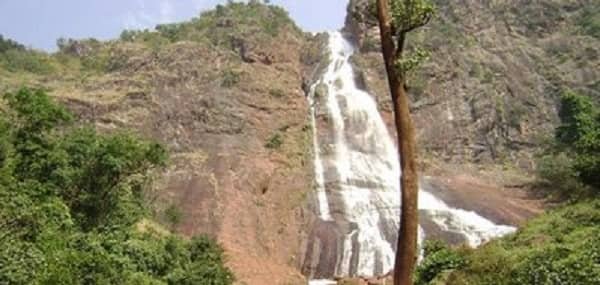
- Khandadhar Waterfall: One of the highest waterfalls in Odisha
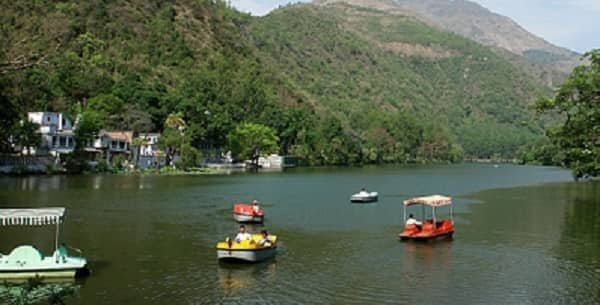
- Mandira Dam: Scenic reservoir
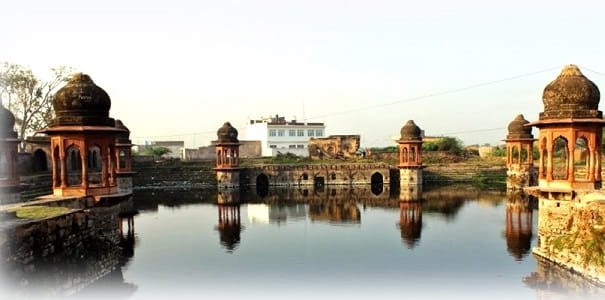
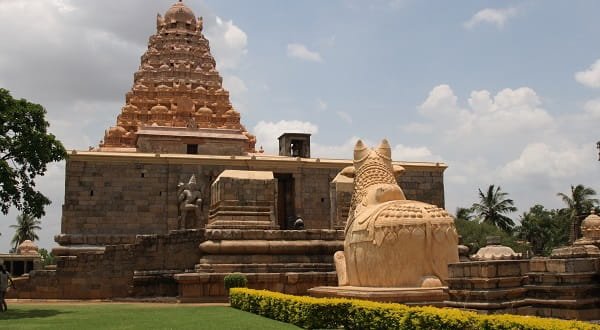
- Vedvyas: Religious and historical site
- Darjeeng and Deodhar: Popular picnic spots
Because of these attractions, tourism has strong potential. Moreover, natural beauty enhances the visitor experience.
Connectivity and Transport
Sundargarh district enjoys good connectivity.
Transport Options:
- Road: Well-connected highways
- Rail: Rourkela railway station is a major junction
- Air: Nearest airport is Jharsuguda Airport
Because of these transport facilities, travel remains convenient; consequently, trade and industry benefit.
Education and Infrastructure
Sundargarh has developed its infrastructure significantly.
Facilities Include:
- Schools and colleges
- Engineering institutions
- Government hospitals
- Banking services
Moreover, industrial growth has improved urban infrastructure. Therefore, the district shows steady progress.
Challenges Faced by Sundargarh District
Despite development, Sundargarh faces certain challenges.
Key Challenges:
- Environmental impact of mining
- Tribal development issues
- Urban-rural disparities
- Pollution in industrial areas
However, government initiatives aim to address these issues. Therefore, development continues steadily.
Future Development Prospects
Sundargarh shows strong potential for growth. Therefore, future development may focus on:
- Sustainable mining practices
- Promoting eco-tourism
- Improving infrastructure
- Enhancing tribal welfare programs
Consequently, the district may achieve balanced development.
Final Words
Sundargarh district combines industrial strength, natural beauty, and cultural richness. It plays a vital role in Odisha’s economic development. Moreover, its resources and heritage make it unique. Therefore, Sundargarh continues to grow steadily while preserving its traditions. With sustainable development and improved infrastructure, it holds strong potential for the future.
FAQs
Q: Where is the Sundargarh district located?
A: It is located in northwestern Odisha.
Q: What is Sundargarh famous for?
A: It is known for the steel industry, mining, and tribal culture.
Q: Which industries are present in Sundargarh?
A: Steel production, mining, and manufacturing industries.
Q: What are the main crops grown in Sundargarh?
A: Paddy, maize, pulses, and oilseeds.
Q: Is Sundargarh a tourist destination?
A: Yes, it offers waterfalls, dams, and natural attractions.
Q: How can I reach Sundargarh?
A: You can travel by road, rail, or via Jharsuguda airport.
Q: Which language is spoken in Sundargarh?
A: Odia is the primary language.
Q: What are the main economic activities?
A: Industry, mining, agriculture, and forestry.