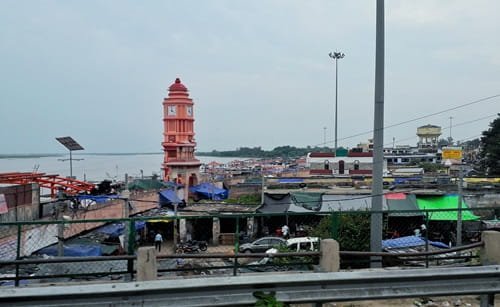
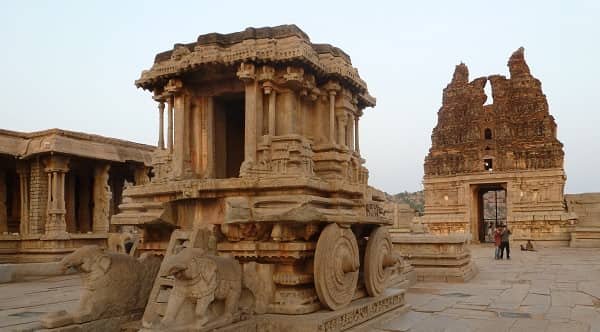
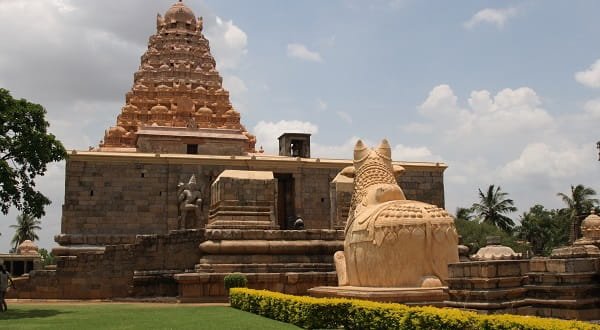
Sirmaur district is one of the most diverse and historically rich districts in the state of Himachal Pradesh. It lies in the southern part of the state and shares borders with Haryana and Uttarakhand. Therefore, Sirmaur acts as a gateway between Himachal Pradesh and the plains. Moreover, the district is known for its scenic landscapes, temples, agriculture, and industrial growth in select areas. As a result, it attracts tourists, pilgrims, and investors alike. Although Sirmaur retains a strong rural character, it continues to develop steadily. Consequently, the district holds a significant position in Himachal Pradesh’s economic and cultural framework.
Sirmaur District, Himachal Pradesh Quick Overview
| Particulars | Details |
| District Name | Sirmaur |
| State | Himachal Pradesh |
| Headquarters | Nahan |
| Region | Southern Himachal |
| Known For | Temples, agriculture, and industries |
| Official Language | Hindi |
| Major Rivers | Yamuna, Giri |
| Economy | Agriculture, industry, tourism |
Historical Background of Sirmaur District
Sirmaur district has a rich historical legacy. Earlier, it was part of the princely state of Sirmaur, which ruled the region for centuries. Over time, various rulers shaped its identity.
The ruling dynasty of Sirmaur established administrative centers and promoted culture and trade. Therefore, the district developed a distinct historical character. Later, during British rule, the princely state maintained semi-autonomous status under colonial influence.
After India’s independence, Sirmaur became part of Himachal Pradesh. Consequently, it evolved into a modern administrative district while preserving its heritage.
Geography and Location
Sirmaur district lies in the Shivalik and lower Himalayan ranges. It features a mix of hills, valleys, and plains.
Key Geographic Features:
- Located in southern Himachal Pradesh
- Rivers such as the Yamuna and the Giri flow through the district
- Varied terrain, including hills and fertile valleys
- Moderate climate in lower areas and cooler climate in higher regions
Because of its diverse geography, Sirmaur supports agriculture, horticulture, and industry. Moreover, its location enhances connectivity with neighboring states. Therefore, the district holds strategic importance.
Administrative Structure
Sirmaur district follows a well-organized administrative system.
Administrative Highlights:
- District Commissioner leads governance
- Divided into subdivisions like Nahan, Paonta Sahib, and Rajgarh
- Municipal bodies manage urban services
- Panchayats govern rural areas
Consequently, governance ensures the effective delivery of public services and development programs.
Economy of Sirmaur District
The economy of Sirmaur is diverse. It includes agriculture, horticulture, industry, and tourism.
Major Economic Activities:
- Agriculture
- Horticulture (fruits and vegetables)
- Industrial development in Paonta Sahib
- Trade and small businesses
Because of fertile land and irrigation, farming plays a key role. Moreover, industrial areas contribute to employment. Therefore, Sirmaur has a balanced economic structure.
Agriculture and Horticulture
Agriculture remains an important sector in Sirmaur. However, horticulture has gained equal importance.
Key Crops:
- Wheat
- Maize
- Vegetables
- Fruits like apples and peaches
Additionally, favorable climate conditions support high-quality produce. Consequently, farmers benefit from diversified agriculture.
Industrial Development
Sirmaur is one of the few districts in Himachal Pradesh with significant industrial activity.
Key Industrial Area:
- Paonta Sahib Industrial Zone
Industries include pharmaceuticals, manufacturing, and processing units. Because of its location near the plains, industries thrive in this region. Therefore, Sirmaur contributes to the state’s industrial growth.
Tourism in Sirmaur District
Sirmaur offers several tourist attractions. Therefore, it attracts visitors seeking both nature and spirituality.
Major Tourist Attractions:
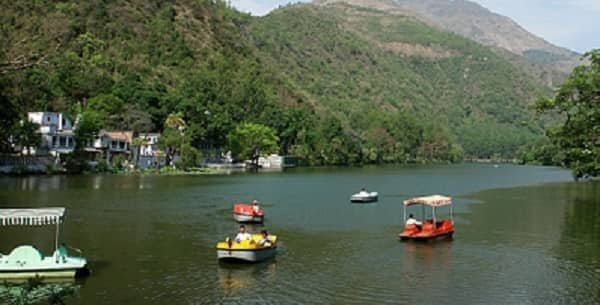
- Renuka Lake: The largest natural lake in Himachal Pradesh
- Paonta Sahib: Religious site associated with Guru Gobind Singh
- Churdhar Peak: Popular trekking destination
- Nahan: Scenic hill town
Because of these attractions, tourism plays an important role in the district’s economy. Moreover, the eco-tourism potential remains high.
Connectivity and Transport
Sirmaur district enjoys good connectivity with neighboring states.
Transport Options:
- Road: Well-connected via highways
- Rail: Nearest railway station in Ambala
- Air: Nearest airport is Chandigarh Airport
Because of these transport options, travel remains convenient. Consequently, trade and tourism benefit.
Education and Infrastructure
Sirmaur has improved its infrastructure over time.
Facilities Include:
- Schools and colleges
- Technical and vocational institutes
- Government hospitals
- Banking and financial services
Moreover, development programs continue to enhance facilities. Therefore, the district shows steady progress.
Culture and Lifestyle
Sirmaur reflects traditional Himachali culture. Therefore, festivals and customs play a vital role.
Cultural Highlights:
- Hindi and local dialects are spoken
- Festivals like Diwali, Holi, and local fairs are celebrated
- Folk music and dance traditions
- Strong rural lifestyle
Consequently, the district maintains a vibrant cultural identity.
Challenges Faced by Sirmaur District
Despite development, Sirmaur faces certain challenges.
Key Challenges:
- Landslides in hilly areas
- Limited urban development in remote regions
- Environmental concerns
- Dependence on agriculture
However, government initiatives aim to address these issues. Therefore, development continues steadily.
Future Development Prospects
Sirmaur shows strong potential for growth. Therefore, future development may focus on:
- Expanding horticulture
- Promoting eco-tourism
- Improving infrastructure
- Supporting industrial growth
Consequently, the district may achieve balanced and sustainable development.
Final Topic
Sirmaur district combines natural beauty, cultural richness, and economic diversity. It plays a vital role in Himachal Pradesh’s development. Moreover, its agriculture, industries, and tourism sectors create strong growth opportunities. Therefore, Sirmaur continues to progress while preserving its traditions. With improved infrastructure and sustainable planning, it holds strong potential for the future.
FAQs
Q: Where is Sirmaur district located?
It is located in southern Himachal Pradesh.
Q: What is Sirmaur famous for?
It is known for Renuka Lake, temples, agriculture, and industries.
Q: Which rivers flow through Sirmaur?
The Yamuna and Giri rivers flow through the district.
Q: What crops are grown in Sirmaur?
Wheat, maize, vegetables, and fruits are commonly grown.
Q: Is Sirmaur a tourist destination?
Yes, it offers lakes, temples, and trekking spots.
Q: How can I reach Sirmaur?
You can travel by road, by train, or by plane from nearby railway stations and airports.
Q: Which language is spoken in Sirmaur?
Hindi and local dialects are widely spoken.
Q: What are the main economic activities?
Agriculture, horticulture, industry, and tourism.