Madhubani district is a culturally rich and historically significant district in the state of Bihar. It lies in the northern part of the state and shares a border with Nepal. Therefore, it plays an important role in cross-border cultural exchange and trade. Moreover, Madhubani is globally famous for its traditional painting style, which reflects local heritage and artistic excellence. As a result, the district attracts artists, tourists, and researchers alike. Although it remains largely rural, it continues to grow steadily in infrastructure and education. Consequently, Madhubani stands as a unique blend of tradition, art, and development.
| Particulars | Details |
| District Name | Madhubani |
| State | Bihar |
| Headquarters | Madhubani |
| Region | Mithila |
| Border | Nepal |
| Official Language | Hindi, Maithili |
| Known For | Madhubani painting |
| Economy | Agriculture and handicrafts |
Historical Background of Madhubani District
Madhubani district has a deep historical background rooted in the ancient Mithila region. Historically, Mithila served as a major cultural and intellectual center in India. Therefore, Madhubani carries forward this legacy.
The region connects strongly with ancient Indian traditions and mythology. It is often associated with the kingdom of King Janaka, the father of Sita in the epic Ramayana. Consequently, the district holds great religious and cultural importance.
Over time, various rulers governed the region, including local dynasties and later Mughal and British administrations. As a result, Madhubani developed a diverse historical identity.
Geography and Location
Madhubani lies in northern Bihar and forms part of the fertile Gangetic plains.
Key Geographic Features:
- Located in the Mithila region
- Fertile alluvial soil
- Rivers like Kamla, Balan, and Kosi nearby
- Subtropical climate with monsoon rainfall
Because of fertile land and water resources, agriculture thrives in the district. Moreover, the region experiences seasonal flooding. Therefore, water management plays an important role.
Administrative Structure
Madhubani district follows a standard administrative system.
Administrative Highlights:
- District Magistrate leads governance
- Divided into multiple subdivisions and blocks
- Municipal bodies manage urban areas
- Panchayats govern rural regions
Consequently, the district ensures effective implementation of development programs and public services.
Economy of Madhubani District
The economy of Madhubani mainly depends on agriculture and handicrafts. However, trade and small industries also contribute.
Major Economic Activities:
- Agriculture
- Handicrafts (especially painting)
- Dairy farming
- Local trade
Because of fertile land, farming remains the primary occupation. Moreover, the art sector adds a unique economic dimension. Therefore, Madhubani maintains a diverse rural economy.
Agriculture in Madhubani
Agriculture forms the backbone of the district’s economy.
Key Crops:
- Paddy (rice)
- Wheat
- Maize
- Pulses
- Sugarcane
Additionally, irrigation and rainfall support crop production. Consequently, agriculture provides employment to a large population.
Madhubani Painting: Cultural Identity
Madhubani district is globally famous for Madhubani painting, also known as Mithila art. Therefore, it holds a special place in India’s cultural heritage.
Key Features of Madhubani Art:
- Bright natural colors
- Intricate patterns
- Themes based on mythology and nature
- Traditionally created by women
Moreover, this art form has gained international recognition. Consequently, it supports local artisans and promotes cultural tourism.
Tourism in Madhubani District
Madhubani offers several cultural and religious attractions. Therefore, it attracts visitors interested in heritage and spirituality.
Major Attractions:
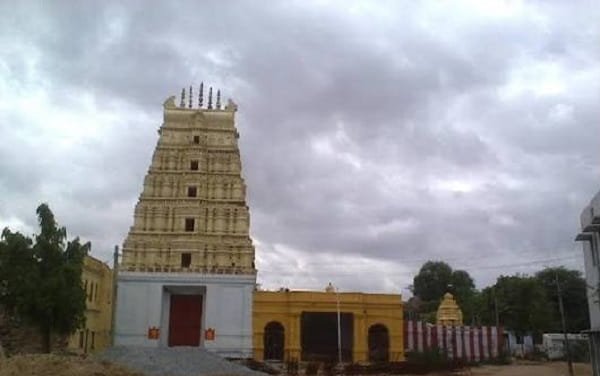
- Kapileshwar Sthan: Religious temple
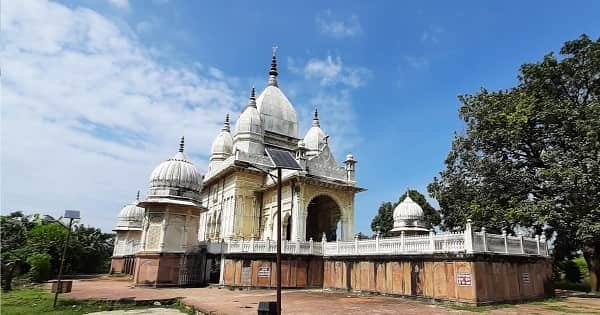
- Uchaitha Temple: Associated with mythology
- Local art villages: Centers of Madhubani painting
Because of its cultural richness, the district has strong tourism potential. Moreover, art-based tourism continues to grow.
Connectivity and Transport
Madhubani district has good connectivity.
Transport Options:
- Road: Connected via highways
- Rail: Madhubani railway station links major cities
- Air: Nearest airport is Darbhanga Airport
Because of these transport facilities, travel remains convenient. Consequently, trade and tourism benefit.
Education and Infrastructure
Madhubani has improved its infrastructure over time.
Facilities Include:
- Schools and colleges
- Government hospitals
- Banking and financial services
- Road networks
Moreover, development initiatives continue to enhance facilities. Therefore, the district shows steady progress.
Culture and Lifestyle
Madhubani reflects the rich cultural traditions of Mithila.
Cultural Highlights:
- Languages include Hindi and Maithili
- Festivals like Chhath, Holi, and Diwali are celebrated
- Strong artistic traditions
- Rural lifestyle influences daily life
Consequently, the district maintains a vibrant cultural identity.
Challenges Faced by Madhubani District
Despite development, Madhubani faces several challenges.
Key Challenges:
- Flooding due to rivers
- Limited industrial development
- Migration for employment
- Infrastructure gaps
However, government initiatives aim to address these issues. Therefore, development continues gradually.
Final Words
Madhubani district combines cultural richness, artistic heritage, and agricultural strength. It plays a vital role in Bihar’s identity, especially through its globally recognized art form. Moreover, its traditions and rural lifestyle create a unique charm. Therefore, Madhubani continues to grow steadily while preserving its cultural roots. With improved infrastructure and promotion of local industries, it holds strong potential for future development.
Future Development Prospects
Madhubani shows strong potential for growth. Therefore, future development may focus on:
- Promoting handicrafts and art
- Improving flood management
- Expanding infrastructure
- Encouraging small industries
Consequently, the district may achieve balanced growth in the coming years.
FAQs
Q: Where is Madhubani district located?
A: It is located in northern Bihar near the Nepal border.
Q: What is Madhubani famous for?
A: It is famous for Madhubani painting and cultural heritage.
Q: Which crops are grown in Madhubani?
A: Paddy, wheat, maize, pulses, and sugarcane are commonly grown.
Q: Is Madhubani a tourist destination?
A: Yes, it attracts visitors for its art, temples, and cultural sites.
Q: How can I reach Madhubani?
A: You can travel by road, rail, or via Darbhanga Airport.
Q: Which languages are spoken in Madhubani?
A: Hindi and Maithili are widely spoken.
Q: What are the main economic activities?
A: Agriculture, handicrafts, dairy farming, and trade.
Q: What challenges does Madhubani face?
A: Flooding, limited industries, and infrastructure issues.