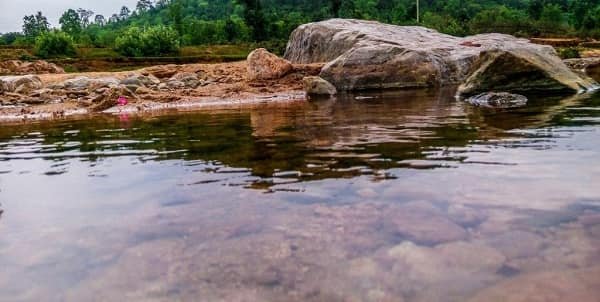
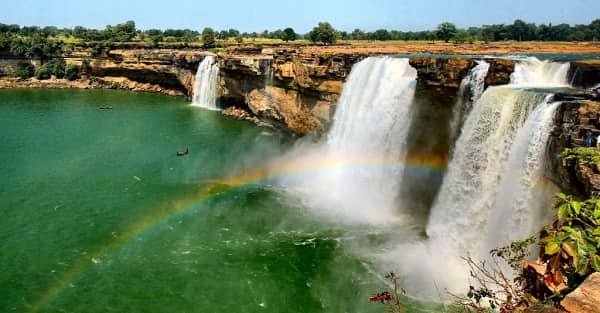
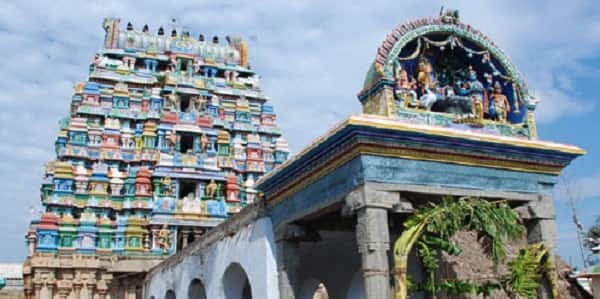
Baksa district is a culturally vibrant and environmentally rich district in the state of Assam. It lies in the Bodoland Territorial Region (BTR) in the northern part of Assam. Moreover, Baksa is widely known for its forests, wildlife, and diverse tribal communities. As a result, it attracts nature lovers, researchers, and policy planners. Although the district has a predominantly rural structure, it continues to grow steadily through infrastructure development and government initiatives. Consequently, Baksa stands out as a district that blends ecological richness, cultural diversity, and developmental potential.
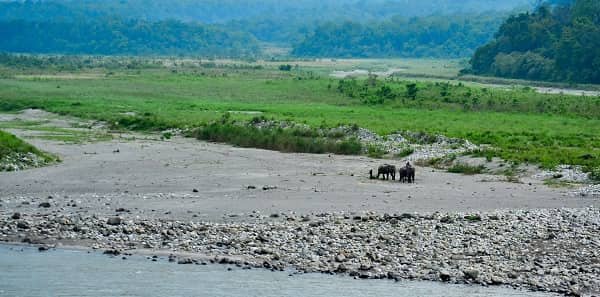
| Particulars | Details |
| District Name | Baksa |
| State | Assam |
| Headquarters | Mushalpur |
| Region | Bodoland Territorial Region |
| Known For | Wildlife, forests, tribal culture |
| Official Language | Assamese, Bodo |
| Major Rivers | Pagladiya, Manas |
| Economy | Agriculture, forestry |
Historical Background of Baksa District
Baksa district has a relatively recent administrative history. Earlier, the region formed part of undivided districts such as Nalbari and Barpeta. Therefore, it shared administrative and cultural ties with neighboring areas.
In 2003, the creation of the Bodoland Territorial Council led to administrative restructuring. Consequently, Baksa district was officially formed in 2004. Therefore, it emerged as a new administrative unit focused on regional development.
Historically, the region has been inhabited by various tribal communities, including the Bodo people. As a result, it developed a unique cultural identity that continues today.
Geography and Location
Baksa district lies in the northern part of Assam near the foothills of the Himalayas.
Key Geographic Features:
- Located in the Bodoland Territorial Region
- Close to the Bhutan border
- Forested areas and river systems
- Tropical climate with heavy rainfall
Because of its geography, the district supports rich biodiversity and agriculture. Moreover, proximity to forests enhances ecological importance. Therefore, Baksa holds environmental significance.
Administrative Structure
Baksa district follows a structured administrative system.
Administrative Highlights:
- Deputy Commissioner oversees governance
- Divided into subdivisions and blocks
- Local councils and panchayats manage governance
Consequently, governance ensures effective delivery of public services and development programs.
Economy of Baksa District
The economy of Baksa mainly depends on agriculture and forest resources. However, small industries and trade also contribute.
Major Economic Activities:
- Agriculture
- Forestry
- Animal husbandry
- Small-scale trade
Because of fertile land, farming remains the primary occupation. Moreover, forest resources support livelihoods. Therefore, the district has a stable rural economy.
Agriculture in Baksa
Agriculture forms the backbone of the district’s economy.
Key Crops:
- Paddy (rice)
- Mustard
- Jute
- Vegetables
Additionally, rainfall and river systems support farming. Consequently, agriculture sustains a large population.
Forest Resources and Wildlife
Baksa has extensive forest cover and wildlife.
Key Features:
- Rich biodiversity
- Forest produce
- Wildlife habitats
Because of these resources, forestry plays an important role in the economy and environment.
Tourism in Baksa District
Baksa district offers several natural and wildlife attractions. Therefore, it attracts tourists interested in eco-tourism.
Major Tourist Attractions:
- Manas National Park: UNESCO World Heritage Site
- Bogamati: Scenic picnic spot
- Mathanguri: Wildlife viewing area
- River landscapes and forests
Because of these attractions, tourism contributes to the district’s economy. Moreover, eco-tourism continues to grow.
Connectivity and Transport
Baksa district has improving connectivity.
Transport Options:
- Road: Connected via state highways
- Rail: Nearby railway stations in adjoining districts
- Air: Nearest airport is Lokpriya Gopinath Bordoloi International Airport
Because of these options, travel remains manageable. Consequently, connectivity continues to improve.
Education and Infrastructure
Baksa has improved its infrastructure over time.
Facilities Include:
- Schools and colleges
- Healthcare centers
- Banking services
- Road networks
Moreover, development initiatives continue to enhance infrastructure. Therefore, the district shows steady progress.
Culture and Lifestyle
Baksa reflects rich tribal and Assamese culture. Therefore, diversity plays an important role.
Cultural Highlights:
- Assamese and Bodo languages are spoken
- Festivals like Bwisagu and Bihu are celebrated
- Traditional music and dance
- Community-based lifestyle
Consequently, the district maintains a vibrant cultural identity.
Challenges Faced by Baksa District
Despite development, Baksa faces several challenges.
Key Challenges:
- Infrastructure gaps in rural areas
- Dependence on agriculture
- Limited industrial growth
- Flood and environmental issues
However, government initiatives aim to address these issues. Therefore, development continues steadily.
Future Development Prospects
Baksa shows strong potential for growth. Therefore, future development may focus on:
- Promoting eco-tourism
- Improving infrastructure
- Supporting agriculture and forestry
- Enhancing tribal welfare programs
Consequently, the district may achieve balanced development.
Final Words
Baksa district combines ecological richness, cultural diversity, and rural economy. It plays a vital role in Assam’s environmental and cultural landscape. Moreover, its forests and traditions make it unique. Therefore, Baksa continues to grow while preserving its identity. With improved infrastructure and sustainable development, it holds strong potential for the future.
FAQs
Q: Where is Baksa district located?
A: It is located in northern Assam in the Bodoland Territorial Region.
Q: When was Baksa district formed?
A: It was formed in 2004.
Q: What is Baksa famous for?
A: It is known for wildlife, forests, and tribal culture.
Q: Which rivers flow through Baksa?
A: The Pagladiya and Manas rivers flow through the district.
Q: Is Baksa a tourist destination?
A: Yes, it offers wildlife and natural attractions.
Q: How can I reach Baksa?
A: You can travel by road or via Guwahati airport.
Q: Which languages are spoken in Baksa?
A: Assamese and Bodo are widely spoken.
Q: What are the main economic activities?
A: Agriculture, forestry, animal husbandry, and trade.