Tirupati district is one of the most prominent and spiritually significant districts in the state of Andhra Pradesh. It lies in the southern part of the state and is globally known for the sacred town of Tirupati. Therefore, the district holds immense religious importance. Moreover, Tirupati district plays a vital role in tourism, education, and economic development. As a result, it attracts millions of pilgrims, tourists, and investors every year. Although the district has a strong spiritual identity, it is also developing rapidly in infrastructure and industry. Consequently, Tirupati district stands out as a unique blend of tradition, spirituality, and modern growth.
Tirupati District Quick Overview
| Particulars | Details |
| District Name | Tirupati |
| State | Andhra Pradesh |
| Headquarters | Tirupati |
| Formation Year | 2022 |
| Region | Rayalaseema |
| Known For | Temples, pilgrimage |
| Official Language | Telugu |
| Economy | Tourism, agriculture, services |
Historical Background of Tirupati District
Tirupati district has a rich historical background. The region has been associated with religious traditions for centuries. Therefore, it holds deep cultural and spiritual significance.
Historically, the area was ruled by several dynasties, including the Pallava and Vijayanagara Empires. Consequently, temples and cultural institutions flourished in the region.
In modern times, administrative reorganization led to the formation of the Tirupati district in 2022. Therefore, it was made into a separate district to improve governance and development.
Geography and Location:
Tirupati district lies in southern Andhra Pradesh. It shares borders with Tamil Nadu and neighboring districts.
Key Geographic Features:
- Located in the Rayalaseema region
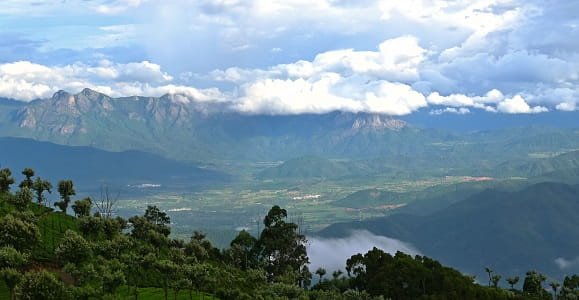
- Presence of the Eastern Ghats hills
- Fertile plains and forest areas
- Tropical climate with moderate rainfall
Because of its geography, the district supports agriculture and tourism. Moreover, hills and forests enhance its natural beauty. Therefore, Tirupati district is ecologically important.
Administrative Structure
Tirupati district follows a structured administrative system.
Administrative Highlights:
- District Collector oversees governance
- Divided into several mandals
- Municipal corporations manage urban areas
- Panchayats govern rural regions
Consequently, governance ensures the effective delivery of public services and development programs.
Economy of Tirupati District
The economy of Tirupati district is diverse. It includes tourism, agriculture, and services.
Major Economic Activities:
- Religious tourism
- Agriculture
- Trade and commerce
- Education and services
Because of its global religious importance, tourism remains the primary economic driver. Moreover, agriculture supports rural livelihoods. Therefore, the district has a balanced economy.
Religious Tourism
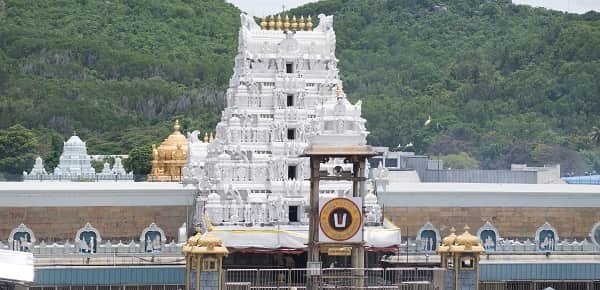
Tirupati is one of the most visited pilgrimage destinations in the world.
Key Religious Sites:
- Tirumala Venkateswara Temple
- Sri Kapileswara Swamy Temple
- Sri Govindaraja Swamy Temple
Because of these temples, millions of devotees visit the district every year. Consequently, tourism generates significant revenue.
Agriculture in Tirupati
Agriculture plays an important role in the district’s economy.
Key Crops:
- Paddy (rice)
- Sugarcane
- Groundnut
- Fruits and vegetables
Additionally, irrigation and rainfall support farming activities. Consequently, agriculture sustains rural communities.
Tourism in Tirupati District
Apart from religious tourism, the district offers several attractions.
Major Tourist Attractions:
- Tirumala Hills: Scenic and spiritual destination
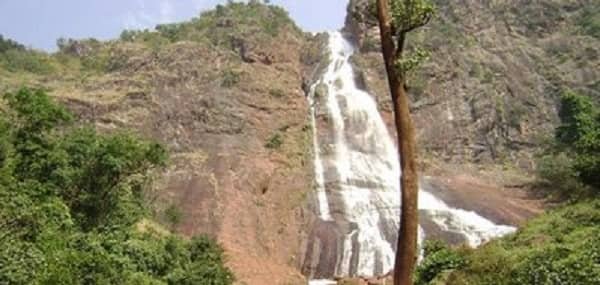
- Talakona Waterfalls: The highest waterfall in Andhra Pradesh
- Sri Venkateswara National Park: Rich biodiversity
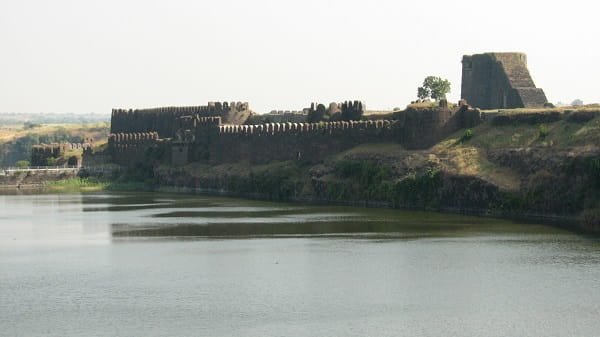
- Chandragiri Fort: Historical site
Because of these attractions, tourism continues to grow. Moreover, eco-tourism and heritage tourism add value.
Connectivity and Transport
Tirupati district enjoys excellent connectivity.
Transport Options:
- Road: Well-connected highways
- Rail: Tirupati railway station connects major cities
- Air: Tirupati Airport
Because of these transport facilities, travel remains convenient. Consequently, tourism and trade benefit significantly.
Education and Infrastructure
Tirupati district has strong infrastructure and educational facilities.
Facilities Include:
- Universities and colleges
- Research institutions
- Hospitals and healthcare centers
- Banking and financial services
Moreover, development initiatives continue to enhance infrastructure. Therefore, the district shows rapid progress.
Culture and Lifestyle
Tirupati reflects traditional Telugu culture combined with spiritual influence.
Cultural Highlights:
- Telugu is the primary language
- Festivals like Brahmotsavam attract large crowds
- Strong temple traditions
- Blend of rural and urban lifestyles
Consequently, the district maintains a vibrant cultural identity.
Challenges Faced by Tirupati District
Despite growth, Tirupati faces certain challenges.
Key Challenges:
- Managing large tourist inflow
- Environmental concerns
- Urbanization pressure
- Infrastructure strain
However, government initiatives aim to address these issues. Therefore, development continues steadily.
Future Development Prospects
Tirupati shows strong potential for growth. Therefore, future development may focus on:
- Expanding tourism infrastructure
- Promoting eco-tourism
- Improving urban planning
- Enhancing agricultural productivity
Consequently, the district may emerge as a major economic and spiritual hub.
Final Words
Tirupati district combines spiritual significance, economic strength, and cultural richness. It plays a vital role in Andhra Pradesh’s development. Moreover, its temples and tourism infrastructure make it globally recognized. Therefore, Tirupati continues to grow while preserving its traditions. With sustainable planning and investment, it holds strong potential for the future.
FAQs
Q: Where is the Tirupati district located?
A: It is located in southern Andhra Pradesh.
Q: When was Tirupati district formed?
A: It was formed in 2022.
Q: What is Tirupati famous for?
A: It is famous for the Tirumala Venkateswara Temple.
Q: Which crops are grown in Tirupati district?
A: Paddy, sugarcane, groundnut, and vegetables are commonly grown.
Q: Is Tirupati a tourist destination?
A: Yes, it is one of the most visited pilgrimage sites in the world.
Q: How can I reach Tirupati?
A: You can travel by road, rail, or via Tirupati Airport.
Q: Which language is spoken in Tirupati?
A: Telugu is the primary language.
Q: What are the main economic activities?
A: Tourism, agriculture, trade, and services.