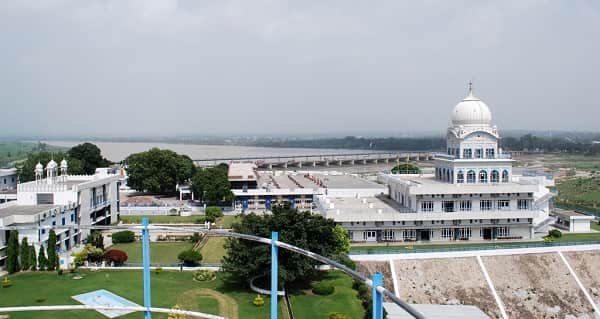
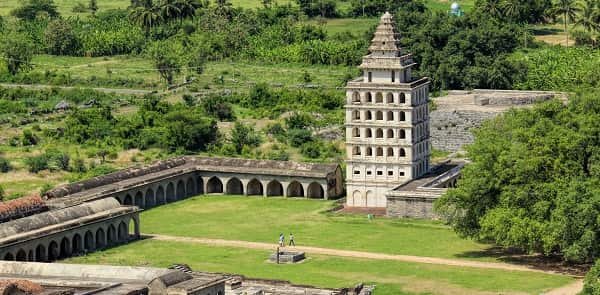
Shahabad district is a historically significant region in the state of Bihar. Although Shahabad no longer exists as an administrative district today, it once covered a large area in western Bihar. Over time, authorities divided it into modern districts such as Bhojpur district, Rohtas district, Buxar district, and Kaimur. Therefore, Shahabad still holds historical and cultural importance in the region. Moreover, it played a major role in Bihar’s political and agricultural development. As a result, the legacy of Shahabad continues to influence present-day districts. Consequently, understanding Shahabad helps in understanding western Bihar’s heritage and identity.
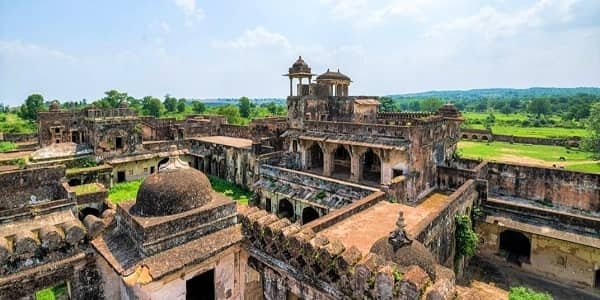
| Particulars | Details |
| Region Name | Shahabad |
| State | Bihar |
| Present Status | Historical region |
| Modern Districts | Bhojpur, Rohtas, Buxar, Kaimur |
| Known For | History, agriculture |
| Official Language | Hindi |
| Major River | Son River |
| Economy | Agriculture and trade |
Historical Background of Shahabad
Shahabad has a rich historical background that dates back to ancient India. The region formed part of the Magadh empire, which played a crucial role in Indian history. Therefore, it developed strong cultural and political importance.
During medieval times, the area came under the control of various rulers. Later, Mughal administration strengthened governance in the region. Consequently, Shahabad emerged as an important administrative division.
In the colonial period, Shahabad became a district under British rule. It gained prominence due to its strategic location and agricultural productivity. After independence, administrative restructuring divided the region into smaller districts. However, the historical identity of Shahabad remains strong.
Geography and Location
Shahabad region lies in western Bihar. It features fertile plains and river systems.
Key Geographic Features:
- Located in the Gangetic plains
- Son River flows through the region
- Fertile soil suitable for agriculture
- Subtropical climate
Because of its geography, agriculture thrives in the region. Moreover, river systems support irrigation. Therefore, Shahabad historically played a key role in food production.
Administrative Structure (Historical Context)
Earlier, Shahabad functioned as a large administrative district.
Key Features:
- District headquarters managed governance
- Divided into subdivisions and blocks
- Revenue and law administration systems
Later, authorities reorganized the district into smaller administrative units. Consequently, governance improved at the local level.
Economy of Shahabad Region
The economy of Shahabad has traditionally depended on agriculture. However, trade and small industries also contributed.
Major Economic Activities:
- Agriculture
- Trade and commerce
- Small-scale industries
- Livestock farming
Because of fertile land, farming remained the primary occupation. Moreover, trade routes supported economic growth. Therefore, the region maintained a strong rural economy.
Agriculture in Shahabad
Agriculture formed the backbone of Shahabad’s economy.
Key Crops:
- Wheat
- Paddy (rice)
- Maize
- Pulses
Additionally, irrigation from rivers and canals supported farming. Consequently, the region produced large quantities of crops.
Cultural and Historical Significance
Shahabad region holds immense cultural importance. Therefore, it has contributed to Bihar’s identity.
Cultural Highlights:
- Rich traditions and festivals
- Influence of Magadh culture
- Historical sites and monuments
- Contribution to freedom movements
Because of its cultural depth, Shahabad remains significant even today.
Tourism in Shahabad Region
The Shahabad region includes several tourist attractions across its modern districts. Therefore, it attracts visitors interested in history and culture.
Major Attractions:
- Rohtasgarh Fort (Rohtas): Historic fort
- Buxar: Known for historical battles
- Arrah (Bhojpur): Important historical town
- Kaimur Hills: Natural beauty
Because of these attractions, tourism contributes to the regional economy. Moreover, heritage tourism continues to grow.
Connectivity and Transport
Shahabad region enjoys good connectivity across its modern districts.
Transport Options:
- Road: Well-connected highways
- Rail: Major railway lines pass through the region
- Air: Nearest airport is Jay Prakash Narayan International Airport
Because of these facilities, travel remains convenient. Consequently, trade and tourism benefit.
Education and Infrastructure
The Shahabad region has developed its infrastructure over time.
Facilities Include:
- Schools and colleges
- Universities and institutions
- Healthcare centers
- Banking and financial services
Moreover, development initiatives continue to enhance facilities. Therefore, the region shows steady progress.
Challenges Faced by Shahabad Region
Despite development, the Shahabad region faces several challenges.
Key Challenges:
- Dependence on agriculture
- Infrastructure gaps in rural areas
- Limited industrial growth
- Employment opportunities
However, government initiatives aim to address these issues. Therefore, development continues steadily.
Future Development Prospects
The Shahabad region shows strong potential for growth. Therefore, future development may focus on:
- Expanding industries
- Improving infrastructure
- Promoting tourism
- Enhancing agricultural productivity
Consequently, the region may achieve balanced development.
Final Words
Shahabad district represents an important chapter in Bihar’s history. Although it no longer exists as an administrative unit, its legacy continues through modern districts. Moreover, its agricultural strength and cultural heritage highlight its importance. Therefore, Shahabad remains a significant historical region. With continued development in its successor districts, the region holds strong potential for the future.
FAQs
Q: What is Shahabad district?
A: It was a historical district in Bihar that has been divided into several modern districts.
Q: Which districts were part of Shahabad?
A: Bhojpur, Rohtas, Buxar, and Kaimur were part of Shahabad.
Q: Where was Shahabad located?
A: It was located in western Bihar.
Q: What is Shahabad famous for?
A: It is known for its history, agriculture, and cultural heritage.
Q: Which river flows through Shahabad?
A: The Son River flows through the region.
Q: Is Shahabad still a district?
A: No, it exists only as a historical region today.
Q: What are the main economic activities?
A: Agriculture, trade, and small industries.
Q: How can I reach Shahabad region?
A: You can travel via road, rail, or through Patna airport.