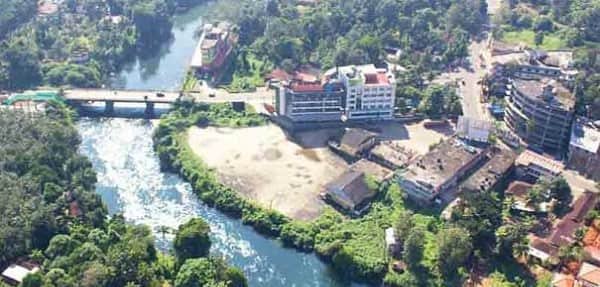
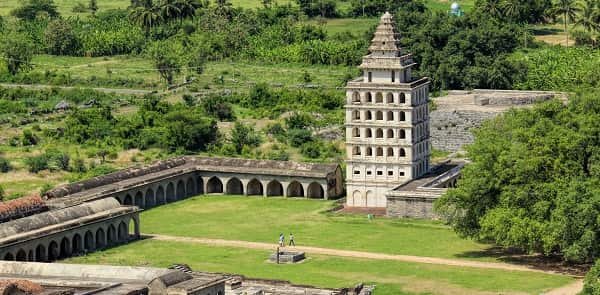
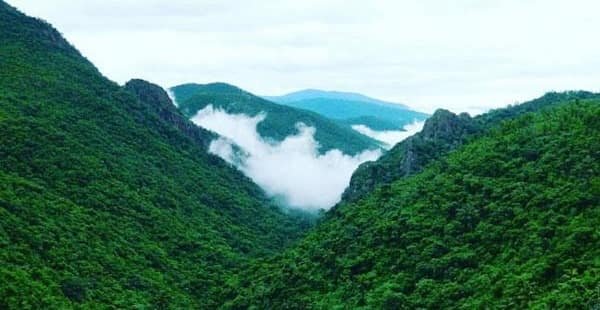
Rupnagar district, also known as Ropar, is a historically significant and strategically located district in the state of Punjab. It lies in the eastern part of the state and borders Himachal Pradesh. Therefore, it serves as a gateway between the plains of Punjab and the Shivalik hills. Moreover, Rupnagar is known for its rich archaeological heritage, agricultural strength, and growing infrastructure. As a result, it attracts historians, tourists, and investors alike. Although the district maintains strong rural roots, it continues to develop steadily. Consequently, Rupnagar holds an important place in Punjab’s cultural and economic landscape.
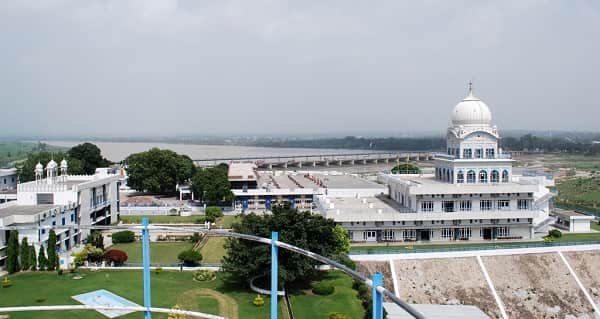
Rupnagar District Quick Overview
| Particulars | Details |
| District Name | Rupnagar (Ropar) |
| State | Punjab |
| Headquarters | Rupnagar |
| Region | Eastern Punjab |
| Border | Himachal Pradesh |
| Official Language | Punjabi |
| Major River | Sutlej |
| Known For | Archaeology, agriculture |
| Economy | Farming and industry |
Historical Background of Rupnagar District
Rupnagar district has a deep historical background that dates back to ancient times. It is closely associated with the Indus Valley Civilization. In fact, the archaeological site of Ropar has revealed remains from that era. Therefore, Rupnagar stands as one of the oldest continuously inhabited regions in India.
Over time, various rulers governed the area. These include ancient kingdoms, medieval dynasties, and later the Mughal Empire. Consequently, the district developed a rich cultural and historical identity.
During British rule, Rupnagar gained administrative importance. After independence, it continued to grow as part of Punjab. Therefore, its historical significance remains a key aspect of its identity.
Geography and Location
Rupnagar district lies in the northeastern part of Punjab. It features a mix of plains and hilly terrain.
Key Geographic Features:
- Located near the Shivalik hills
- Sutlej River flows through the district
- Fertile plains suitable for agriculture
- Moderate climate
Because of its location, Rupnagar benefits from both plains and hill ecosystems. Moreover, the Sutlej River supports irrigation and agriculture. Therefore, the district has a balanced natural environment.
Administrative Structure
Rupnagar district follows a well-organized administrative system.
Administrative Highlights:
- District Commissioner leads governance
- Divided into tehsils such as Rupnagar, Anandpur Sahib, and Nangal
- Municipal bodies manage urban areas
- Panchayats govern rural regions
Consequently, governance ensures effective delivery of services and development programs.
Economy of Rupnagar District
The economy of Rupnagar is diverse, with agriculture and industry playing major roles.
Major Economic Activities:
- Agriculture
- Industrial development
- Trade and commerce
- Dairy farming
Because of fertile land, farming remains the primary occupation. Moreover, industries contribute to economic growth. Therefore, the district maintains a balanced economy.
Agriculture in Rupnagar
Agriculture forms the backbone of the district’s economy.
Key Crops:
- Wheat
- Paddy (rice)
- Maize
- Sugarcane
Additionally, irrigation from the Sutlej River supports farming. Consequently, crop production remains high.
Industrial Development
Rupnagar has developed a growing industrial base.
Key Features:
- Manufacturing units
- Power generation projects
- Small and medium industries
Because of its connectivity and resources, industrial growth continues steadily. Therefore, the district contributes to Punjab’s industrial sector.
Tourism in Rupnagar District
Rupnagar offers several historical, religious, and natural attractions. Therefore, it attracts tourists from across the region.
Major Tourist Attractions:
- Anandpur Sahib: Important Sikh pilgrimage site
- Virast-e-Khalsa Museum: Cultural and historical museum
- Bhakra Nangal Dam: Major engineering landmark
- Ropar Wetland: Ecological and bird-watching site
Because of these attractions, tourism plays a growing role in the district’s economy. Moreover, religious tourism remains significant.
Connectivity and Transport
Rupnagar district enjoys good connectivity.
Transport Options:
- Road: Well-connected highways
- Rail: Rupnagar railway station connects major cities
- Air: Nearest airport is Chandigarh International Airport
Because of these transport facilities, travel remains convenient. Consequently, trade and tourism benefit.
Education and Infrastructure
Rupnagar has developed its infrastructure steadily.
Facilities Include:
- Schools and colleges
- Engineering and technical institutions
- Government hospitals
- Banking and financial services
Moreover, development projects continue to enhance facilities. Therefore, the district shows consistent progress.
Culture and Lifestyle
Rupnagar reflects the vibrant culture of Punjab.
Cultural Highlights:
- Punjabi is the primary language
- Festivals like Baisakhi and Lohri are widely celebrated
- Strong Sikh traditions
- Community-oriented lifestyle
Consequently, the district maintains a rich cultural identity.
Challenges Faced by Rupnagar District
Despite development, Rupnagar faces certain challenges.
Key Challenges:
- Environmental concerns near industrial areas
- Urbanization pressure
- Water management issues
- Rural-urban disparities
However, government initiatives aim to address these issues. Therefore, development continues steadily.
Future Development Prospects
Rupnagar shows strong potential for growth. Therefore, future development may focus on:
- Expanding industrial sector
- Promoting tourism
- Improving infrastructure
- Enhancing environmental conservation
Consequently, the district may emerge as a key development hub in Punjab.
Final Words
Rupnagar district combines historical richness, agricultural strength, and industrial growth. It plays an important role in Punjab’s development while preserving its cultural heritage. Moreover, its archaeological significance and tourist attractions make it unique. Therefore, Rupnagar continues to grow steadily as a key district. With improved infrastructure and sustainable development, it holds strong potential for the future.
FAQs
Q: Where is Rupnagar district located?
A: It is located in eastern Punjab near Himachal Pradesh.
Q: What is Rupnagar famous for?
A: It is known for its archaeological site, agriculture, and tourism.
Q: Which river flows through Rupnagar?
A: The Sutlej River flows through the district.
Q: What are the major crops grown in Rupnagar?
A: Wheat, rice, maize, and sugarcane are commonly grown.
Q: Is Rupnagar a tourist destination?
A: Yes, it offers religious, historical, and natural attractions.
Q: How can I reach Rupnagar?
A: You can travel by road, rail, or via Chandigarh airport.
Q: Which language is spoken in Rupnagar?
A: Punjabi is the primary language.
Q: What are the main economic activities?
A: Agriculture, industry, trade, and dairy farming.