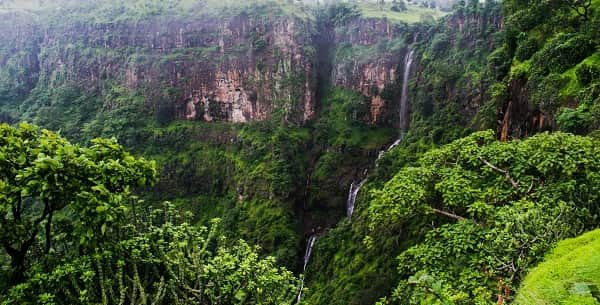
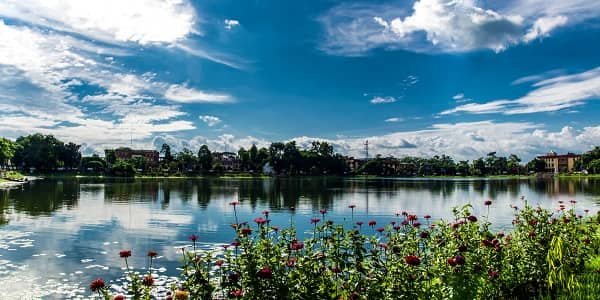
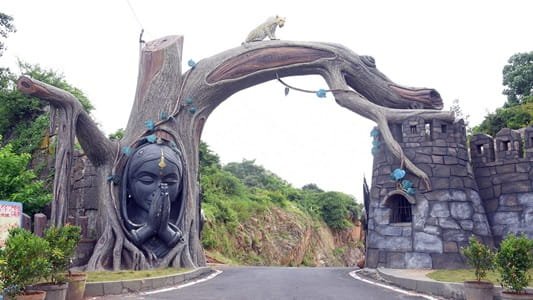
Raigad district is a historically significant and geographically diverse district in the state of Maharashtra. It lies along the western coast and forms part of the Konkan region. Moreover, Raigad holds immense importance in Indian history because it served as the capital of the Maratha Empire under Chhatrapati Shivaji Maharaj. As a result, the district attracts historians, tourists, and nature lovers alike. Although Raigad has strong rural and coastal roots, it continues to grow rapidly due to its proximity to Mumbai. Consequently, it plays a vital role in Maharashtra’s economic and cultural landscape.
Raigad District Quick Overview
| Particulars | Details |
| District Name | Raigad |
| State | Maharashtra |
| Headquarters | Alibag |
| Region | Konkan |
| Nearby City | Mumbai |
| Official Language | Marathi |
| Major River | Kundalika |
| Known For | Forts, beaches, history |
| Economy | Agriculture, tourism, industry |
Historical Background of Raigad District
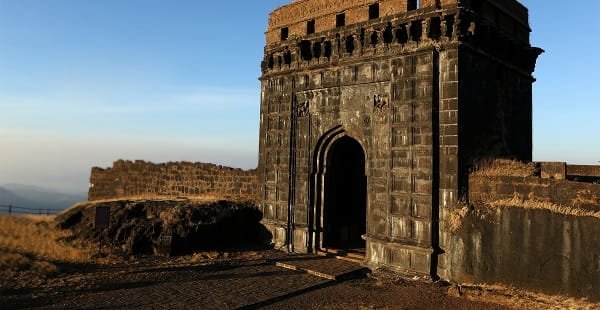
Raigad district has a rich and glorious history. It gained prominence during the rule of Chhatrapati Shivaji Maharaj. He established Raigad Fort as the capital of the Maratha Empire. Therefore, the district became a center of administration and power.
Several forts and historical structures still reflect this legacy. Moreover, the region witnessed significant events during the Maratha period. Consequently, Raigad remains one of the most important historical districts in Maharashtra.
Later, during British rule, the district underwent administrative changes. However, its historical significance continued to shape its identity.
Geography and Location
Raigad district lies in the western part of Maharashtra along the Arabian Sea coast.
Key Geographic Features:
- Coastal plains and beaches
- Western Ghats and hilly terrain
- Rivers such as Kundalika and Amba
- Tropical climate with heavy monsoon rainfall
Because of its diverse geography, Raigad supports agriculture, tourism, and industry. Moreover, the Western Ghats add scenic beauty. Therefore, the district attracts nature lovers.
Administrative Structure
Raigad district follows a well-organized administrative system.
Administrative Highlights:
- District Collector leads governance
- Divided into taluks such as Alibag, Panvel, Uran, Karjat, and Mahad
- Municipal corporations manage urban areas
- Panchayats govern rural regions
Consequently, the district ensures effective governance and implementation of development programs.
Economy of Raigad District
The economy of Raigad is diverse. Agriculture, industry, and tourism all contribute significantly.
Major Economic Activities:
- Agriculture and horticulture
- Industrial development
- Tourism
- Fishing and coastal trade
Because of its proximity to Mumbai, industrial growth has increased. Moreover, agriculture supports rural livelihoods. Therefore, Raigad has a balanced economy.
Agriculture in Raigad
Agriculture plays an important role in the district’s economy.
Key Crops:
- Rice
- Coconut
- Mango (especially Alphonso)
- Cashew
Additionally, favorable climate supports horticulture. Consequently, farmers benefit from diverse crops.
Industrial Development
Raigad district has seen rapid industrialization, especially in areas near Mumbai.
Key Features:
- MIDC industrial zones
- Manufacturing industries
- Logistics and warehousing
Because of good connectivity, industries continue to grow. Therefore, Raigad contributes significantly to Maharashtra’s industrial output.
Tourism in Raigad District
Raigad is a major tourist destination due to its historical and natural attractions.
Major Tourist Attractions:
- Raigad Fort: Historic capital of the Maratha Empire
- Alibag Beach: Popular coastal destination
- Murud-Janjira Fort: Unique sea fort
- Kashid Beach: Known for scenic beauty
- Kolad: Adventure tourism and river rafting
Because of these attractions, Raigad draws tourists throughout the year. Moreover, its proximity to Mumbai boosts tourism.
Connectivity and Transport
Raigad district enjoys excellent connectivity.
Transport Options:
- Road: Well-connected highways and expressways
- Rail: Railway network connects major cities
- Air: Nearest airport is Chhatrapati Shivaji Maharaj International Airport
Because of strong connectivity, travel and trade remain convenient. Consequently, the district continues to develop rapidly.
Education and Infrastructure
Raigad has developed its infrastructure significantly.
Facilities Include:
- Schools and colleges
- Engineering and technical institutions
- Hospitals and healthcare centers
- Banking and financial services
Moreover, urban areas show rapid development. Therefore, the district maintains steady progress.
Culture and Lifestyle
Raigad reflects the vibrant culture of Maharashtra.
Cultural Highlights:
- Marathi is the primary language
- Festivals like Ganesh Chaturthi and Diwali are widely celebrated
- Coastal and rural traditions
- Strong historical pride
Consequently, the district maintains a rich cultural identity.
Challenges Faced by Raigad District
Despite development, Raigad faces several challenges.
Key Challenges:
- Coastal erosion
- Urbanization pressure
- Environmental concerns due to industry
- Infrastructure gaps in rural areas
However, government initiatives aim to address these issues. Therefore, development continues steadily.
Future Development Prospects
Raigad shows strong potential for growth. Therefore, future development may focus on:
- Expanding tourism
- Promoting sustainable industries
- Improving infrastructure
- Enhancing coastal management
Consequently, the district may become a major economic hub in Maharashtra.
Final Words
Raigad district combines historical greatness, natural beauty, and economic strength. It plays a vital role in Maharashtra’s development while preserving its heritage. Moreover, its forts, beaches, and industries make it unique. Therefore, Raigad continues to grow steadily as an important district. With improved infrastructure and sustainable development, it holds strong potential for the future.
FAQs
Q: Where is Raigad district located?
A: It is located in western Maharashtra along the Arabian Sea.
Q: Why is Raigad historically important?
A: It served as the capital of the Maratha Empire under Shivaji Maharaj.
Q: What is Raigad famous for?
A: It is known for forts, beaches, and tourism.
Q: Which crops are grown in Raigad?
A: Rice, coconut, mango, and cashew are commonly grown.
Q: Is Raigad a tourist destination?
A: Yes, it is popular for historical sites and beaches.
Q: How can I reach Raigad?
A: You can travel by road, rail, or via Mumbai airport.
Q: Which language is spoken in Raigad?
A: Marathi is the primary language.
Q: What are the main economic activities?
A: Agriculture, industry, tourism, and fishing.