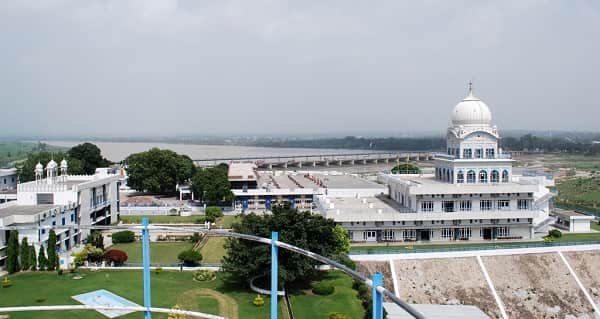
Mewat district, officially known as Nuh district, is a culturally rich and historically significant region in the state of Haryana. It lies in the southern part of the state and shares borders with Rajasthan and Gurugram. Therefore, it holds strategic importance due to its proximity to the National Capital Region. Moreover, the district is known for its unique cultural identity, strong community traditions, and agricultural base. As a result, Mewat plays a vital role in Haryana’s socio-economic landscape. Although the district faces developmental challenges, it continues to grow steadily through government initiatives. Consequently, Mewat stands out as a region with strong heritage and emerging potential.
| Particulars | Details |
| District Name | Mewat (Nuh) |
| State | Haryana |
| Headquarters | Nuh |
| Region | South Haryana |
| Known For | Culture, agriculture |
| Official Language | Hindi |
| Major River | Seasonal streams |
| Economy | Agriculture and small trade |
Historical Background of Mewat District
Mewat district has a long and fascinating history. The region derives its name from the Meo community, which has lived here for centuries. Therefore, Mewat reflects a unique blend of cultural traditions.
Historically, local rulers governed the region, and it later came under the control of various dynasties. During medieval times, Mewat gained importance due to its location near Delhi. Consequently, it became part of several regional kingdoms.
In modern times, the district was carved out in 2005 and later renamed as Nuh district. However, the cultural identity of Mewat continues to define the region.
Geography and Location
Mewat district lies in southern Haryana. It features a mix of plains and low hills.
Key Geographic Features:
- Located near the Aravalli hills
- Semi-arid climate
- Limited water resources
- Agricultural land with scattered forests
Because of its geography, agriculture depends heavily on rainfall and groundwater. Moreover, the terrain influences settlement patterns. Therefore, the district has both ecological and economic significance.
Administrative Structure
Mewat district follows a structured administrative system.
Administrative Highlights:
- Deputy Commissioner oversees governance
- Divided into tehsils and blocks
- Municipal bodies manage urban areas
- Panchayats govern rural regions
Consequently, governance ensures the implementation of development programs and public services.
Economy of Mewat District
The economy of Mewat mainly depends on agriculture and small-scale activities. However, trade and labor also contribute.
Major Economic Activities:
- Agriculture
- Livestock farming
- Small-scale trade
- Daily wage labor
Because of limited industrial development, agriculture remains the primary occupation. Moreover, livestock farming supports rural livelihoods. Therefore, the district has a rural economic structure.
Agriculture in Mewat
Agriculture forms the backbone of Mewat’s economy.
Key Crops:
- Wheat
- Bajra (pearl millet)
- Mustard
- Pulses
Additionally, farmers rely on monsoon rains and irrigation. Consequently, crop production varies depending on weather conditions.
Tourism in Mewat District
Mewat offers cultural and historical attractions. Therefore, it has potential for tourism development.
Major Tourist Attractions:
- Sheikh Musa Mosque: Historical religious site
- Kotla Lake: Scenic natural spot
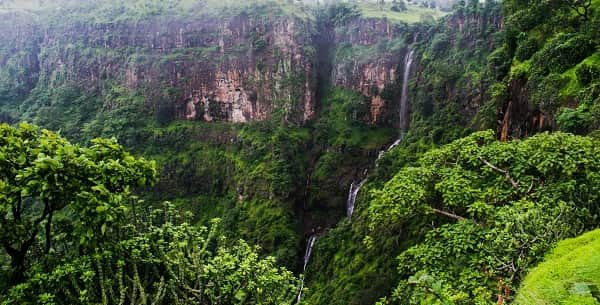
- Aravalli hills region: Natural landscapes
Because of these attractions, the district attracts visitors interested in culture and nature. Moreover, eco-tourism potential remains untapped.
Connectivity and Transport
Mewat district has improving connectivity.
Transport Options:
- Road: Connected to Delhi and Gurugram
- Rail: Nearest railway stations in nearby districts
- Air: Nearest airport is Indira Gandhi International Airport
Because of its proximity to major cities, travel remains convenient. Consequently, connectivity supports economic activities.
Education and Infrastructure
Mewat has improved its infrastructure gradually.
Facilities Include:
- Schools and colleges
- Government healthcare centers
- Banking services
- Road networks
Moreover, government schemes focus on education and healthcare development. Therefore, the district shows gradual progress.
Culture and Lifestyle
Mewat reflects a unique cultural identity shaped by the Meo community.
Cultural Highlights:
- Hindi and local dialects are spoken
- Festivals like Eid and Diwali are celebrated
- Traditional music and customs
- Strong community values
Consequently, the district maintains a distinct cultural heritage.
Challenges Faced by Mewat District
Despite development efforts, Mewat faces several challenges.
Key Challenges:
- Low literacy rates
- Limited industrial development
- Water scarcity
- Infrastructure gaps
However, government initiatives aim to address these issues. Therefore, development continues steadily.
Future Development Prospects
Mewat shows strong potential for growth. Therefore, future development may focus on:
- Improving education and healthcare
- Expanding infrastructure
- Promoting agriculture and irrigation
- Encouraging industrial investment
Consequently, the district may achieve balanced development.
Final Words
Mewat district combines cultural richness, agricultural strength, and strategic importance. It plays a vital role in Haryana’s development, especially due to its proximity to the National Capital Region. Moreover, its unique traditions and community values make it distinct. Therefore, Mewat continues to grow while preserving its heritage. With improved infrastructure and focused development initiatives, it holds strong potential for the future.
FAQs
Q: Where is Mewat district located?
A: It is located in southern Haryana near Gurugram and Rajasthan.
Q: What is Mewat district called officially?
A: It is officially known as Nuh district.
Q: What is Mewat famous for?
A: It is known for its cultural heritage and agriculture.
Q: Which crops are grown in Mewat?
A: Wheat, bajra, mustard, and pulses are commonly grown.
Q: Is Mewat a tourist destination?
A: It has cultural and natural attractions with tourism potential.
Q: How can I reach Mewat?
A: You can travel by road or via Delhi airport.
Q: Which language is spoken in Mewat?
A: Hindi and local dialects are widely spoken.
Q: What are the main economic activities?
A: Agriculture, livestock farming, and small trade.