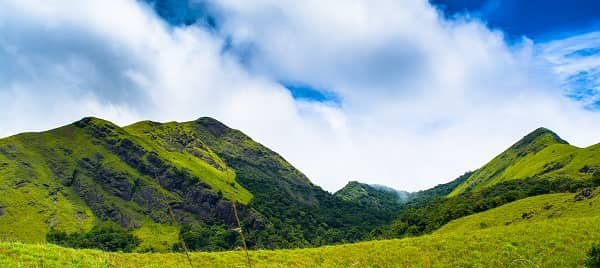
Kullu district is one of the most scenic and culturally rich districts in the state of Himachal Pradesh. It lies in the northern part of the state and is famous for its breathtaking valleys, temples, and vibrant traditions. Moreover, Kullu is widely known as the “Valley of Gods” due to its numerous sacred sites. As a result, it attracts tourists, pilgrims, and nature lovers from across the world. Although the district has a strong tourism base, it also maintains a balanced economy through agriculture and handicrafts. Consequently, Kullu holds a significant place in Himachal Pradesh’s cultural and economic landscape.
Kullu District Quick Overview
| Particulars | Details |
| District Name | Kullu |
| State | Himachal Pradesh |
| Headquarters | Kullu |
| Region | Western Himalayas |
| Known For | Tourism, temples, valleys |
| Official Language | Hindi |
| Major River | Beas |
| Economy | Tourism, agriculture |
Historical Background of Kullu District
Kullu district has a rich and ancient history. According to tradition, the region connects with the epics like the Mahabharata. Therefore, it holds religious and mythological importance.
Historically, local rulers governed the valley for centuries. Later, the region came under the influence of the Mughal Empire and subsequently the British administration. Consequently, Kullu developed administrative and cultural significance over time.
After India’s independence, Kullu became part of Himachal Pradesh. Therefore, it evolved into a major district known for tourism and heritage.
Geography and Location
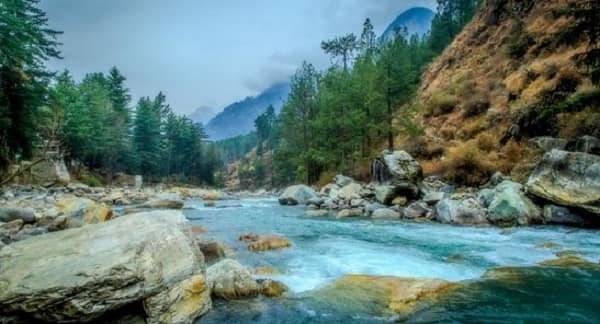
Kullu district lies in the western Himalayas. It is surrounded by high mountain ranges and lush valleys.
Key Geographic Features:
- Located along the Beas River
- Surrounded by snow-capped mountains
- Dense forests and alpine meadows
- Cool climate throughout the year
Because of its geography, Kullu offers stunning natural landscapes. Moreover, the climate supports tourism year-round. Therefore, it remains one of the most visited districts in Himachal Pradesh.
Administrative Structure
Kullu district follows a standard administrative framework.
Administrative Highlights:
- District Commissioner leads governance
- Divided into subdivisions like Kullu, Manali, and Banjar
- Municipal bodies manage urban areas
- Panchayats govern rural regions
Consequently, governance ensures efficient service delivery across the district.
Economy of Kullu District
The economy of Kullu mainly depends on tourism and agriculture. However, handicrafts and horticulture also contribute significantly.
Major Economic Activities:
- Tourism
- Apple farming and horticulture
- Handicrafts (shawls and wool products)
- Small-scale trade
Because of scenic beauty, tourism generates substantial income. Moreover, apple orchards support rural livelihoods. Therefore, the district has a balanced economic structure.
Agriculture and Horticulture
Agriculture plays a key role in Kullu’s economy. However, horticulture has gained more importance in recent years.
Key Crops:
- Apples
- Plums
- Pears
- Vegetables
Additionally, favorable climate conditions support fruit cultivation. Consequently, Kullu is known for high-quality apples.
Tourism in Kullu District
Kullu district is one of the top tourist destinations in Himachal Pradesh. Therefore, it attracts visitors throughout the year.
Major Tourist Attractions:
- Manali: Popular hill station with scenic beauty
- Rohtang Pass: Famous for snow activities
- Great Himalayan National Park: UNESCO World Heritage Site
- Raghunath Temple: Important religious site
- Kasol: Known for its serene environment
Because of these attractions, tourism plays a vital role in the district’s economy. Moreover, adventure activities like trekking and river rafting attract young travelers.
Connectivity and Transport
Kullu district has good connectivity despite its mountainous terrain.
Transport Options:
- Road: Well-connected via national highways
- Air: Kullu–Manali Airport
- Rail: Nearest railway station is in Joginder Nagar
Because of these options, travel remains accessible. Consequently, tourism continues to grow.
Education and Infrastructure
Kullu has improved its infrastructure over the years.
Facilities Include:
- Schools and colleges
- Healthcare centers and hospitals
- Banking and financial services
- Road and transport networks
Moreover, development initiatives continue to enhance infrastructure. Therefore, the district shows steady progress.
Culture and Lifestyle
Kullu reflects a rich cultural heritage. Therefore, festivals and traditions play a central role.
Cultural Highlights:
- Hindi and local dialects are spoken
- Kullu Dussehra is a major festival
- Traditional music and dance forms
- Strong religious traditions
Consequently, the district maintains a vibrant cultural identity.
Challenges Faced by Kullu District
Despite development, Kullu faces certain challenges.
Key Challenges:
- Environmental concerns due to tourism
- Landslides and natural disasters
- Limited industrial development
- Seasonal employment issues
However, government initiatives aim to address these challenges. Therefore, development continues steadily.
Future Development Prospects
Kullu shows strong potential for growth. Therefore, future development may focus on:
- Sustainable tourism
- Infrastructure improvement
- Promotion of horticulture
- Environmental conservation
Consequently, the district may achieve balanced and sustainable growth.
Final Words
Kullu district combines natural beauty, cultural richness, and economic importance. It plays a vital role in Himachal Pradesh’s tourism and horticulture sectors. Moreover, its scenic landscapes and traditions attract visitors from around the world. Therefore, Kullu continues to grow while preserving its heritage. With sustainable development and improved infrastructure, it holds strong potential for the future.
FAQs
Q: Where is Kullu district located?
A: It is located in Himachal Pradesh in the western Himalayas.
Q: Why is Kullu called the Valley of Gods?
A: It has many temples and religious sites, which give it spiritual importance.
Q: What is Kullu famous for?
A: It is famous for tourism, apple orchards, and Kullu Dussehra.
Q: Which river flows through Kullu?
A: The Beas River flows through the district.
Q: Is Kullu a good tourist destination?
A: Yes, it offers scenic beauty, adventure sports, and cultural attractions.
Q: How can I reach Kullu?
A: You can travel by road or via Kullu–Manali Airport.
Q: What are the main economic activities?
A: Tourism, horticulture, agriculture, and handicrafts.
Q: What challenges does Kullu face?
A: Environmental issues, landslides, and seasonal employment.