Hapur district is an important and rapidly developing district in the state of Uttar Pradesh. It lies in the western part of the state and forms part of the National Capital Region (NCR). Therefore, Hapur enjoys strong connectivity and strategic importance due to its proximity to Delhi. Moreover, the district is known for its agricultural strength, industrial growth, and trading activities. As a result, it attracts businesses, farmers, and investors alike. Although Hapur has a strong rural base, it continues to urbanize quickly. Consequently, it plays a significant role in the economic development of western Uttar Pradesh.
Hapur District Uttar Pradesh Quick Overview
| Particulars | Details |
| District Name | Hapur |
| State | Uttar Pradesh |
| Headquarters | Hapur |
| Region | Western Uttar Pradesh |
| NCR Status | Yes |
| Official Language | Hindi |
| Known For | Agriculture, industry, trade |
| Economy | Farming and manufacturing |
Historical Background of Hapur District
Hapur district has a rich historical background. Earlier, it formed part of the Ghaziabad district. However, administrative reorganization led to the creation of Hapur as a separate district in 2011.
Historically, the region has connections with ancient and medieval India. It witnessed the influence of various rulers, including the Mughal Empire. Therefore, the district developed a diverse cultural heritage.
In addition, Hapur gained importance during the British period as a trading center. Consequently, it became known for its grain markets and commerce.
Geography and Location
Hapur district lies in the western region of Uttar Pradesh. It shares borders with districts like Ghaziabad, Meerut, and Bulandshahr.
Key Geographic Features:
- Located in the fertile Indo-Gangetic plains
- Flat terrain suitable for agriculture
- Moderate climate
- Seasonal rivers and canals
Because of fertile soil and irrigation facilities, agriculture thrives in the district. Moreover, its location within NCR enhances connectivity. Therefore, Hapur has both rural and urban advantages.
Administrative Structure
Hapur district follows a structured administrative system.
Administrative Highlights:
- District Magistrate leads governance
- Divided into tehsils such as Hapur, Garhmukteshwar, and Dhaulana
- Municipal bodies manage urban areas
- Panchayats govern rural regions
Consequently, governance ensures efficient delivery of public services and development programs.
Economy of Hapur District
The economy of Hapur is diverse, with agriculture and industry playing major roles.
Major Economic Activities:
- Agriculture
- Grain trading
- Paper and steel industries
- Small-scale manufacturing
Because of its strategic location, trade and industry have grown rapidly. Moreover, agriculture supports rural livelihoods. Therefore, Hapur maintains a balanced economy.
Agriculture in Hapur
Agriculture forms a strong foundation for the district’s economy.
Key Crops:
- Wheat
- Sugarcane
- Paddy (rice)
- Mustard
Additionally, irrigation through canals and groundwater supports farming. Consequently, crop production remains stable and productive.
Industrial Development
Hapur district has developed a strong industrial base, especially in recent years.
Key Industries:
- Paper manufacturing
- Steel processing
- Food processing
- Packaging industries
Because of its proximity to Delhi, industries benefit from market access. Therefore, industrial growth continues steadily.
Tourism in Hapur District
Hapur offers several religious and cultural attractions. Therefore, it attracts local visitors and pilgrims.
Major Tourist Attractions:
- Garhmukteshwar: Famous pilgrimage site on the Ganga River
- Brighu Ashram: Religious and spiritual center
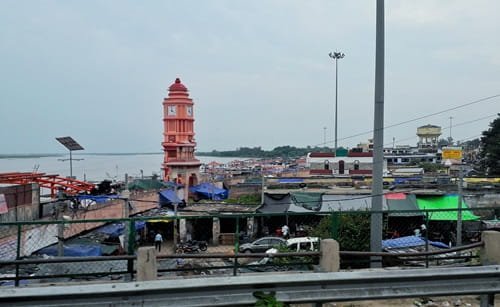
- Local temples and ghats
Because of these sites, the district holds religious importance. Moreover, festivals attract visitors throughout the year.
Connectivity and Transport
Hapur district enjoys excellent connectivity.
Transport Options:
- Road: Well-connected through highways and expressways
- Rail: Hapur railway station connects major cities
- Air: Nearest airport is Indira Gandhi International Airport
Because of strong transport links, travel and trade remain convenient. Consequently, the district continues to grow rapidly.
Education and Infrastructure
Hapur has improved its infrastructure significantly.
Facilities Include:
- Schools and colleges
- Technical and professional institutions
- Government hospitals
- Banking and financial services
Moreover, development projects continue to enhance facilities. Therefore, the district shows steady progress.
Culture and Lifestyle
Hapur reflects the cultural traditions of western Uttar Pradesh.
Cultural Highlights:
- Hindi is the primary language
- Festivals like Holi, Diwali, and Eid are widely celebrated
- Strong rural traditions
- Influence of NCR urban lifestyle
Consequently, the district maintains a blend of traditional and modern culture.
Challenges Faced by Hapur District
Despite growth, Hapur faces certain challenges.
Key Challenges:
- Urbanization pressure
- Pollution due to industries
- Traffic congestion
- Infrastructure gaps in rural areas
However, government initiatives aim to address these issues. Therefore, development continues steadily.
Future Development Prospects
Hapur shows strong potential for growth. Therefore, future development may focus on:
- Expanding industrial sector
- Improving infrastructure
- Enhancing urban planning
- Promoting agriculture and trade
Consequently, the district may become a major economic hub in western Uttar Pradesh.
FAQs
Q1. Where is Hapur district located?
A: It is located in western Uttar Pradesh near Delhi.
Q2. When was Hapur district formed?
A: It was formed in 2011.
Q3. What is Hapur famous for?
A: It is known for agriculture, grain markets, and industries.
Q4. Which crops are grown in Hapur?
A: Wheat, sugarcane, paddy, and mustard are commonly grown.
Q5. Is Hapur part of NCR?
A: Yes, it is part of the National Capital Region.
Q6. How can I reach Hapur?
A: You can travel by road, rail, or via Delhi airport.
Q7. Which language is spoken in Hapur?
A: Hindi is the primary language.
Q8. What are the main economic activities?
A: Agriculture, industry, trade, and manufacturing.
Final Words
Hapur district combines agricultural strength, industrial growth, and strategic location. It plays a vital role in western Uttar Pradesh’s economy and development. Moreover, its proximity to Delhi enhances its importance. Therefore, Hapur continues to grow rapidly while maintaining its cultural roots. With improved infrastructure and sustainable planning, it holds strong potential for future progress.