Gir Somnath district is one of the most culturally and ecologically significant districts in the state of Gujarat. It lies in the southwestern part of the state along the Arabian Sea coast. Moreover, the district is widely known for its religious importance, wildlife, and coastal beauty. As a result, it attracts pilgrims, tourists, and nature enthusiasts throughout the year. Although Gir Somnath has a strong rural base, it continues to grow steadily with tourism and infrastructure development. Consequently, the district stands out as a region that blends spirituality, nature, and economic progress.
| Particulars | Details |
| District Name | Gir Somnath |
| State | Gujarat |
| Headquarters | Veraval |
| Region | Saurashtra |
| Known For | Somnath Temple, Gir Forest |
| Official Language | Gujarati |
| Major Rivers | Hiran, Saraswati |
| Economy | Tourism, agriculture, fishing |
Historical Background of Gir Somnath District
Gir Somnath district has a deep historical background that dates back to ancient times. The region has long been associated with religious and cultural traditions.
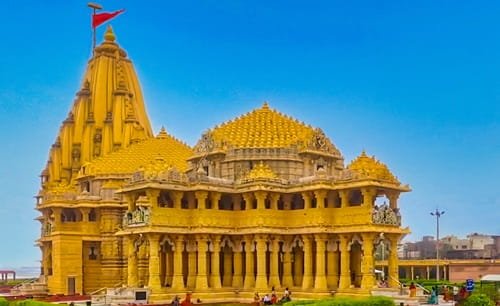
Notably, the district is home to the famous Somnath Temple, which is considered one of the twelve Jyotirlingas of Lord Shiva. Therefore, the region has held immense religious importance for centuries.
Historically, the temple faced several invasions and reconstructions. Consequently, it became a symbol of resilience and faith. During medieval times, various rulers controlled the region, and later it came under British administration. After independence, Gir Somnath emerged as a separate district in 2013.
Geography and Location
Gir Somnath district lies along the Arabian Sea coast in the Saurashtra region of Gujarat.
Key Geographic Features:
- Coastal plains and beaches
- Proximity to the Gir forest region
- Rivers such as Hiran and Saraswati
- Tropical climate
Because of its geography, the district supports agriculture, fishing, and tourism. Moreover, coastal and forest areas enhance biodiversity. Therefore, Gir Somnath holds ecological importance.
Administrative Structure
Gir Somnath district follows a structured administrative system.
Administrative Highlights:
- District Collector oversees governance
- Divided into talukas and blocks
- Municipal bodies manage urban areas
- Panchayats govern rural regions
Consequently, governance ensures effective delivery of public services and development programs.
Economy of Gir Somnath District
The economy of Gir Somnath is diverse. It includes tourism, agriculture, and fishing.
Major Economic Activities:
- Tourism
- Agriculture
- Fishing and marine trade
- Small-scale industries
Because of religious tourism, the service sector plays a major role. Moreover, agriculture and fisheries support rural livelihoods. Therefore, the district has a balanced economy.
Agriculture in Gir Somnath
Agriculture forms an important part of the district’s economy.
Key Crops:
- Groundnut
- Cotton
- Wheat
- Bajra
Additionally, irrigation and rainfall support farming activities. Consequently, agriculture sustains a large population.
Fisheries and Coastal Economy
Gir Somnath has a strong coastal economy centered around fishing.
Key Features:
- Fishing activities in the Arabian Sea
- Fish processing industries
- Support for coastal communities
Because of these activities, fisheries contribute significantly to the district’s economy. Moreover, ports like Veraval enhance trade.
Tourism in Gir Somnath District
Gir Somnath is a major tourist destination in Gujarat. Therefore, it attracts visitors from across India.
Major Tourist Attractions:
- Somnath Temple: Sacred Jyotirlinga site
- Gir National Park (nearby): Home to Asiatic lions
- Triveni Sangam: Religious confluence point
- Veraval Beach: Scenic coastal area
Because of these attractions, tourism contributes significantly to the economy. Moreover, eco-tourism and pilgrimage tourism continue to grow.
Connectivity and Transport
Gir Somnath district enjoys good connectivity.
Transport Options:
- Road: Well-connected highways
- Rail: Veraval railway station connects major cities
- Air: Nearest airport is Diu Airport
Because of these facilities, travel remains convenient. Consequently, tourism and trade benefit.
Education and Infrastructure
Gir Somnath has improved its infrastructure over time.
Facilities Include:
- Schools and colleges
- Healthcare centers
- Banking and financial services
- Road networks
Moreover, tourism development continues to enhance infrastructure. Therefore, the district shows steady progress.
Culture and Lifestyle
Gir Somnath reflects vibrant Gujarati culture. Therefore, traditions and festivals play an important role.
Cultural Highlights:
- Gujarati is the primary language
- Festivals like Navratri and Diwali are celebrated
- Strong religious traditions
- Coastal lifestyle
Consequently, the district maintains a rich cultural identity.
Challenges Faced by Gir Somnath District
Despite development, Gir Somnath faces several challenges.
Key Challenges:
- Coastal erosion
- Environmental concerns
- Dependence on tourism
- Infrastructure demand
However, government initiatives aim to address these issues. Therefore, development continues steadily.
Future Development Prospects
Gir Somnath shows strong potential for growth. Therefore, future development may focus on:
- Promoting tourism infrastructure
- Supporting fisheries and agriculture
- Improving connectivity
- Enhancing environmental conservation
Consequently, the district may achieve balanced development.
FAQs
Q1. Where is Gir Somnath district located?
It is located in southwestern Gujarat.
Q2. What is Gir Somnath famous for?
It is known for Somnath Temple and Gir forest.
Q3. Which is the headquarters of Gir Somnath?
Veraval is the district headquarters.
Q4. What crops are grown in Gir Somnath?
Groundnut, cotton, wheat, and bajra are commonly grown.
Q5. Is Gir Somnath a tourist destination?
Yes, it is a major pilgrimage and tourist destination.
Q6. How can I reach Gir Somnath?
You can travel by road, rail, or via Diu Airport.
Q7. Which language is spoken in Gir Somnath?
Gujarati is the primary language.
Q8. What are the main economic activities?
Tourism, agriculture, fishing, and trade.