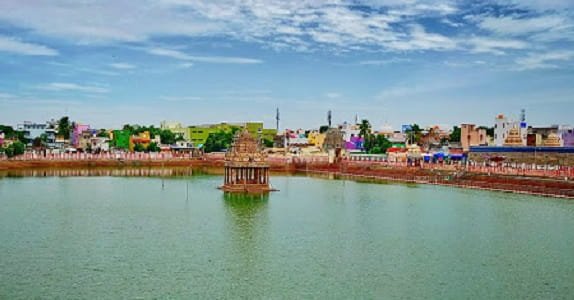
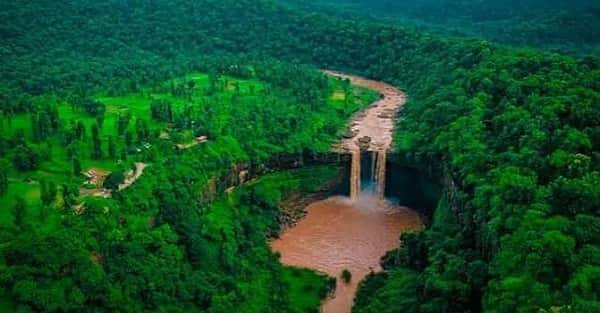
Alirajpur district is a culturally vibrant and geographically unique district in the state of Madhya Pradesh. It lies in the western part of the state and forms a significant part of the tribal belt near the Gujarat border. Moreover, Alirajpur is widely known for its rich tribal traditions, natural landscapes, and rural lifestyle. As a result, it attracts anthropologists, travelers, and policymakers interested in indigenous culture. Although the district has a predominantly rural character, it continues to grow steadily through development initiatives and infrastructure improvements. Consequently, Alirajpur stands out as a district that blends tradition, culture, and emerging progress.
| Particulars | Details |
| District Name | Alirajpur |
| State | Madhya Pradesh |
| Headquarters | Alirajpur |
| Region | Western Madhya Pradesh |
| Known For | Tribal culture, rural economy |
| Official Language | Hindi |
| Major Rivers | Narmada (nearby region) |
| Economy | Agriculture, forest produce |
Historical Background of Alirajpur District
Alirajpur district has a rich historical background rooted in tribal governance and princely rule. Earlier, it was a princely state ruled by local chiefs. Therefore, the region developed a distinct cultural identity.
During British rule, Alirajpur retained its princely status under colonial supervision. Consequently, traditional systems of administration continued alongside modern governance.
After independence, Alirajpur merged into India and later became part of Madhya Pradesh. It was carved out as a separate district in 2008. Therefore, it evolved into a modern administrative unit while preserving its heritage.
Geography and Location
Alirajpur district lies in the western part of Madhya Pradesh near the Vindhya and Satpura ranges.
Key Geographic Features:
- Hilly terrain and plateaus
- Forested areas
- Proximity to the Narmada basin
- Tropical climate
Because of its geography, agriculture and forest-based livelihoods thrive. Moreover, natural landscapes enhance ecological importance. Therefore, Alirajpur holds environmental significance.
Administrative Structure
Alirajpur district follows a structured administrative system.
Administrative Highlights:
- District Collector oversees governance
- Divided into tehsils and blocks
- Municipal bodies manage urban areas
- Panchayats govern rural regions
Consequently, governance ensures effective delivery of public services and development programs.
Economy of Alirajpur District
The economy of Alirajpur mainly depends on agriculture and forest resources. However, small-scale trade also contributes.
Major Economic Activities:
- Agriculture
- Forest produce collection
- Livestock farming
- Small-scale trade
Because of rural dominance, agriculture remains the primary occupation. Moreover, forest resources support livelihoods. Therefore, the district has a stable rural economy.
Agriculture in Alirajpur
Agriculture forms the backbone of the district’s economy.
Key Crops:
- Maize
- Wheat
- Pulses
- Soybean
Additionally, rainfall supports farming activities. Consequently, agriculture sustains a large population.
Tribal Culture and Lifestyle
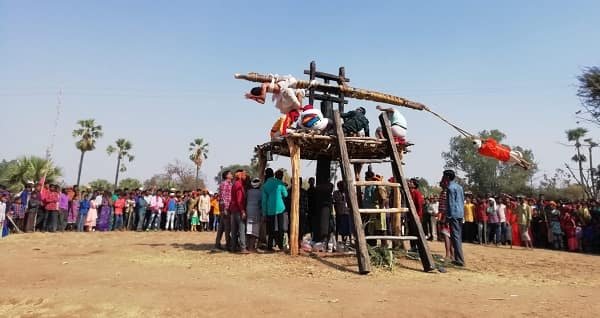
Alirajpur is known for its rich tribal culture. Therefore, traditions and customs play an important role.
Cultural Highlights:
- Dominated by Bhil and Bhilala tribes
- Traditional dance and music
- Festivals like Bhagoria
- Community-based lifestyle
Because of this diversity, the district preserves its cultural heritage. Moreover, tribal traditions influence daily life.
Tourism in Alirajpur District
Alirajpur offers several natural and cultural attractions. Therefore, it has potential for tourism development.
Major Tourist Attractions:
- Katthiwada region: Scenic hills and forests
- Local tribal fairs: Cultural experiences
- Narmada River (nearby): Spiritual significance
- Rural landscapes: Natural beauty
Because of these attractions, tourism contributes gradually to the district’s economy. Moreover, eco-tourism has potential for growth.
Connectivity and Transport
Alirajpur district has improving connectivity.
Transport Options:
- Road: Connected via state highways
- Rail: Nearest railway stations in nearby districts
- Air: Nearest airport is Devi Ahilya Bai Holkar Airport
Because of these options, travel remains manageable. Consequently, connectivity continues to improve.
Education and Infrastructure
Alirajpur has improved its infrastructure over time.
Facilities Include:
- Schools and colleges
- Healthcare centers
- Banking and financial services
- Road networks
Moreover, government initiatives aim to enhance development. Therefore, the district shows steady progress.
Challenges Faced by Alirajpur District
Despite development, Alirajpur faces several challenges.
Key Challenges:
- Limited infrastructure in remote areas
- Low literacy rates in some regions
- Dependence on agriculture
- Employment opportunities
However, government initiatives aim to address these issues. Therefore, development continues steadily.
Future Development Prospects
Alirajpur shows strong potential for growth. Therefore, future development may focus on:
- Improving education and literacy
- Promoting eco-tourism
- Enhancing infrastructure
- Supporting tribal welfare programs
Consequently, the district may achieve balanced development.
Final Words
Alirajpur district combines tribal heritage, natural beauty, and rural economy. It plays a vital role in Madhya Pradesh’s cultural landscape. Moreover, its traditions and landscapes make it unique. Therefore, Alirajpur continues to grow while preserving its identity. With improved infrastructure and sustainable development, it holds strong potential for the future.
FAQs
Q: Where is Alirajpur district located?
A: It is located in western Madhya Pradesh.
Q: What is Alirajpur famous for?
A: It is known for tribal culture and rural lifestyle.
Q: When was Alirajpur district formed?
A: It was formed in 2008.
Q: What crops are grown in Alirajpur?
A: Maize, wheat, pulses, and soybean are commonly grown.
Q: Is Alirajpur a tourist destination?
A: It has potential for eco-tourism and cultural tourism.
Q: How can I reach Alirajpur?
A: You can travel by road or via Indore airport.
Q: Which language is spoken in Alirajpur?
A: Hindi and tribal languages are widely spoken.
Q: What are the main economic activities?
A: Agriculture, forest produce, livestock farming, and trade.